If you suspect your pet has ingested this food, do not wait for symptoms. Contact your veterinarian immediately.
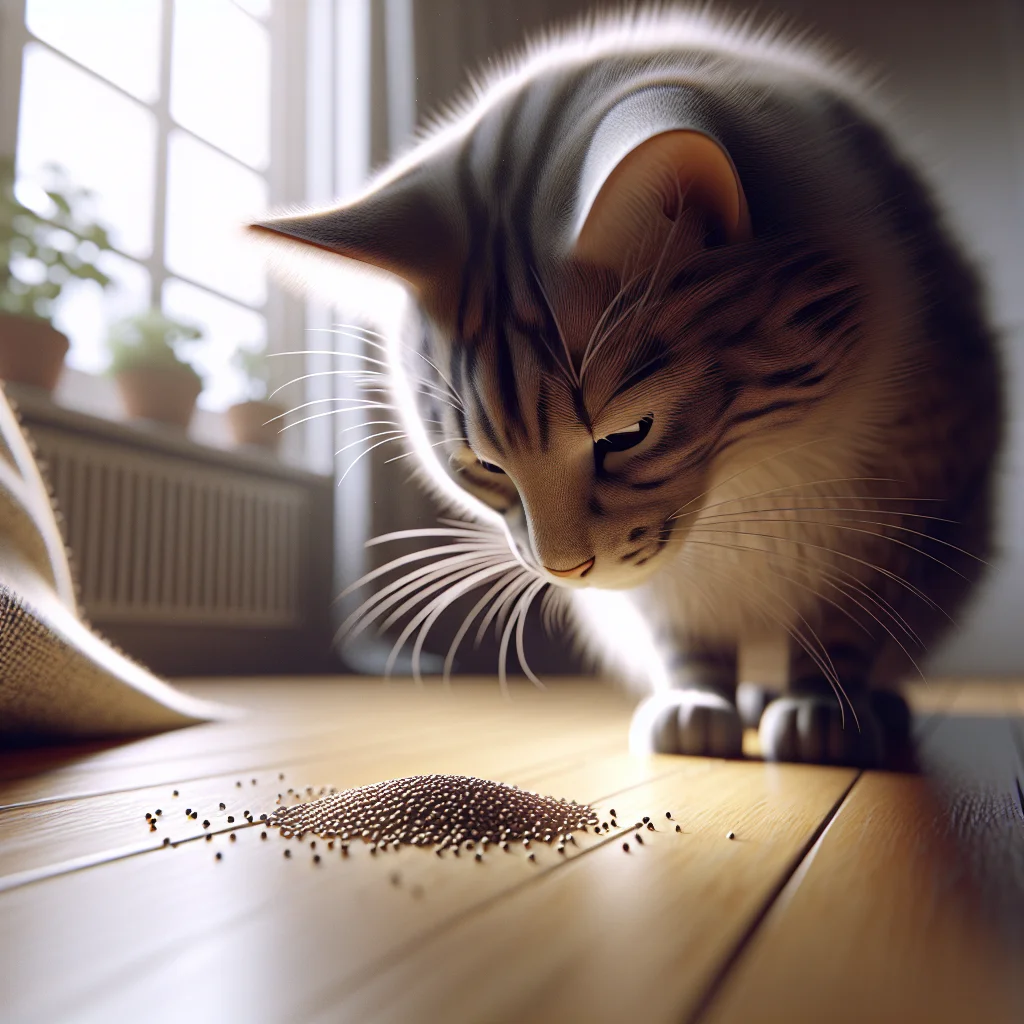
Sesame seeds are generally safe for cats in small quantities, but caution is advised. While sesame seeds do not contain any specific toxins that are harmful to cats, their high-fat content can lead to digestive upset if consumed in large amounts. Sesame seeds are rich in oils, and when ingested in excess, they can cause gastrointestinal disturbances or even pancreatitis in sensitive feline systems.
What happens if a cat eats sesame seeds?
If your cat eats a small number of sesame seeds, it is unlikely to experience any adverse effects. Sesame seeds are not toxic to cats, but their high oil content can lead to stomach upset. If a cat consumes a significant amount, it might experience symptoms such as vomiting, diarrhea, or abdominal discomfort. In rare cases, consuming a large quantity of sesame seeds could lead to pancreatitis, an inflammation of the pancreas that can be serious if not addressed.
Can sesame seeds cause allergies in cats?
While uncommon, some cats may be allergic to sesame seeds. Allergic reactions can manifest as skin irritation, excessive scratching, or gastrointestinal issues. If you suspect your cat has been exposed to sesame seeds and is exhibiting these symptoms, it is advisable to consult your veterinarian immediately. They may recommend an elimination diet or allergy testing to confirm the allergen.
Are there any health benefits of sesame seeds for cats?
Sesame seeds contain beneficial nutrients like calcium, magnesium, and iron, which are essential for overall health. However, cats are obligate carnivores and derive their nutritional needs primarily from animal sources. While small amounts of sesame seeds might offer a minor nutritional boost, they are not necessary for a cat's diet. Always prioritize high-quality, meat-based cat foods for optimal feline health.
How should I introduce sesame seeds to my cat's diet?
Introducing sesame seeds to your cat's diet should be done cautiously. Start with a very small quantity and monitor your cat for any adverse reactions. Sprinkle a tiny amount over their regular food and observe for any signs of digestive upset or allergies. If your cat shows any negative symptoms, discontinue feeding sesame seeds immediately and consult with your veterinarian.
What should I do if my cat accidentally eats too many sesame seeds?
If your cat accidentally consumes a large number of sesame seeds, watch for symptoms such as vomiting, diarrhea, or lethargy. In such cases, it is crucial to contact your veterinarian without delay. They may advise monitoring your cat at home, or in more severe instances, they could recommend bringing your pet in for further evaluation and treatment.
Toxicity Levels
| Type | Amount | Risk |
|---|---|---|
| Small amount | Few seeds | Low |
| Moderate amount | 1 teaspoon | Medium |
| Large amount | 1 tablespoon | High |
| Excessive intake | Multiple tablespoons | Very High |
| Allergic reaction | Minimal exposure | Varies |
Symptoms to Watch For
- Vomiting
- Diarrhea
- Lethargy
- Itching
- Abdominal Pain
Frequently Asked Questions
Are sesame seeds toxic to cats?
Can cats be allergic to sesame seeds?
How many sesame seeds can a cat eat safely?
Do sesame seeds provide any nutritional benefits to cats?
What should I do if my cat shows symptoms after eating sesame seeds?