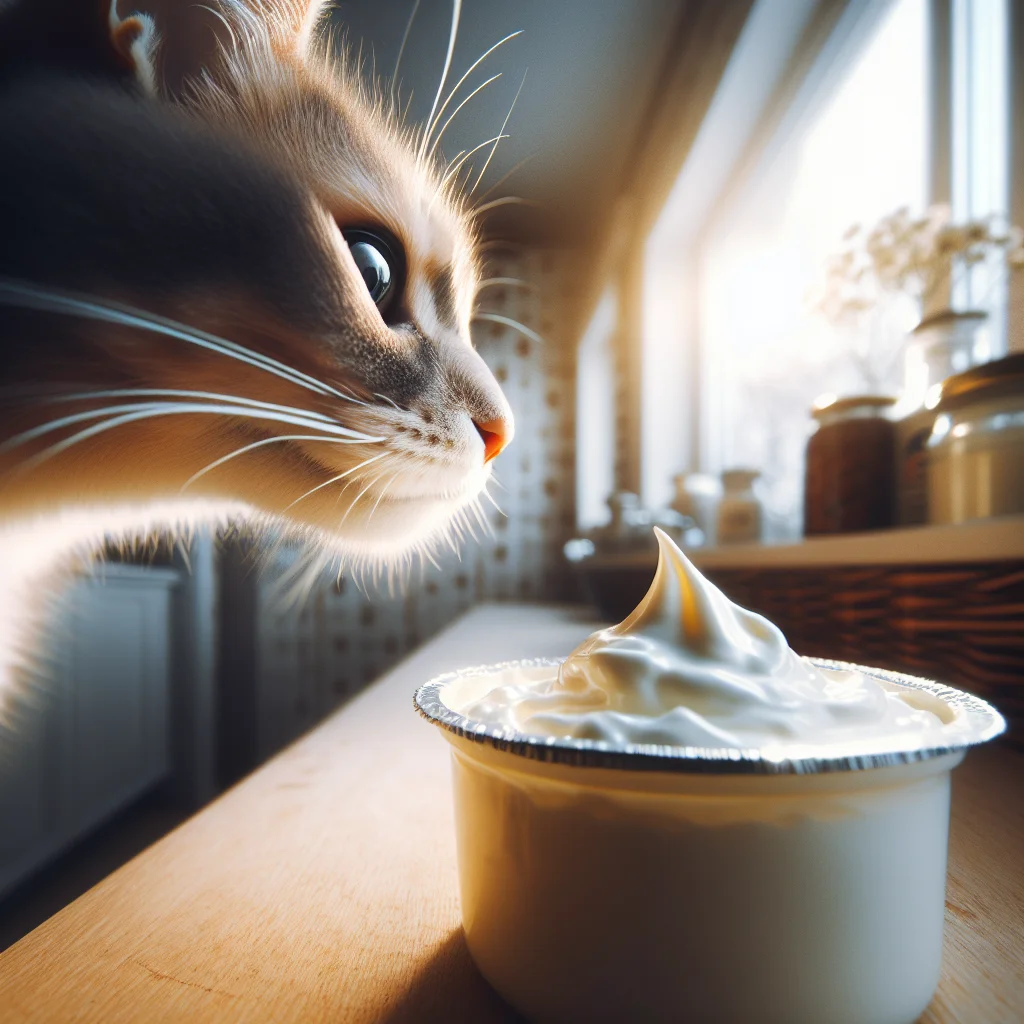
If you suspect your pet has ingested this food, do not wait for symptoms. Contact your veterinarian immediately.
Sour cream is generally considered toxic for cats. The high lactose content and rich fat levels present significant health risks for felines, primarily due to their lactose intolerance. Cats lack the necessary enzyme, lactase, to break down lactose efficiently, leading to digestive distress. Additionally, the fat content can contribute to obesity and pancreatitis over time.
What Happens If a Cat Eats Sour Cream?
If a cat ingests sour cream, they may experience gastrointestinal upset. Symptoms usually manifest within a few hours and can include vomiting, diarrhea, and abdominal pain. The severity of these symptoms depends on the amount consumed and the individual cat's sensitivity. It's crucial to monitor your pet closely for any signs of distress. In some cases, a small amount might not cause immediate harm, but repeated exposure could lead to more severe health issues.
Is Sour Cream Toxic to Cats Compared to Other Dairy Products?
Sour cream is more problematic for cats than some other dairy products due to its high fat and lactose content. While certain cheeses or lactose-free milk may be tolerated in small quantities, sour cream poses a higher risk due to its composition. The fermentation process used in sour cream doesn't significantly reduce lactose levels, making it a poor choice for cats. Always opt for cat-safe treats that cater to their dietary needs.
Why Aren't Cats Able to Digest Sour Cream?
The inability to digest sour cream stems from the lack of lactase, the enzyme required to break down lactose in milk products. Most adult cats are lactose intolerant, meaning their digestive systems cannot process lactose efficiently. This results in fermentation of the lactose in the gut, leading to gas, bloating, and diarrhea. Additionally, the high-fat content of sour cream can exacerbate these issues, further straining the cat's digestive system.
Can Kittens Eat Sour Cream Safely?
While kittens have some lactase activity, allowing them to digest their mother's milk, this ability diminishes as they mature. Introducing sour cream to a kitten's diet can disrupt their developing digestive system, potentially leading to similar symptoms as in adult cats. It's advisable to avoid offering sour cream to kittens and instead provide a balanced diet formulated for their growth and nutritional requirements.
How Can I Tell If My Cat Reacts Badly to Sour Cream?
Signs of a negative reaction to sour cream in cats can include vomiting, diarrhea, lethargy, and abdominal discomfort. Observing changes in your cat's behavior, such as hiding or reduced appetite, can also indicate gastrointestinal distress. If you suspect your cat has consumed sour cream, monitor them closely and consult your veterinarian if symptoms persist or worsen. Early intervention can prevent more serious health complications.
Toxicity Levels
| Type | Amount | Risk |
|---|---|---|
| Small lick | 1 teaspoon | Low |
| Moderate consumption | 1 tablespoon | Moderate |
| High consumption | 2 tablespoons | High |
| Regular consumption | Weekly | Severe |
| Large quantities | 1/4 cup | Very High |
Symptoms to Watch For
- Vomiting
- Diarrhea
- Abdominal Pain
- Lethargy
- Dehydration
Frequently Asked Questions
Can sour cream cause long-term health issues in cats?
Are there any safe dairy alternatives for cats?
How much sour cream is too much for a cat?
What should I do if my cat eats sour cream accidentally?
Why do some cats seem to like sour cream?