
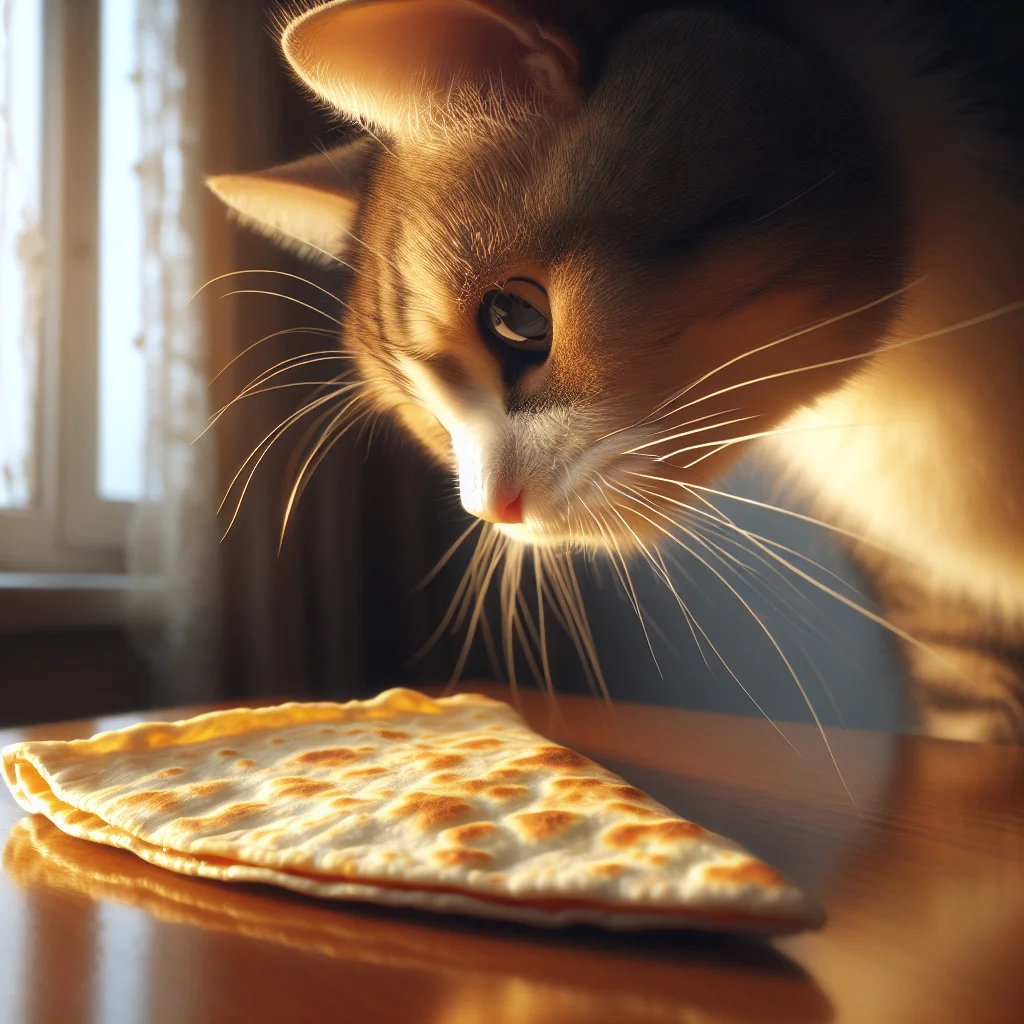
If you suspect your pet has ingested this food, do not wait for symptoms. Contact your veterinarian immediately.
Toxicity Level: Caution. Quesadillas, a popular cheesy delight, pose potential risks to cats due to their dairy content and seasoning. Cats, being obligate carnivores, lack the enzymes necessary to digest lactose, which can lead to gastrointestinal discomfort. Furthermore, the spices and onions often found in quesadillas can be toxic to cats. Therefore, it's crucial to exercise caution when considering sharing this dish with your feline friend.
What Makes Quesadillas Risky for Cats?
Quesadillas contain several ingredients that can be harmful to cats. Cheese, the primary component, contains lactose, which many cats are intolerant to. Lactose intolerance in cats can lead to symptoms such as diarrhea, vomiting, and gas. Additionally, spices and ingredients like onions and garlic, commonly used in quesadillas, are toxic to cats and can cause severe health issues, including anemia. Even small amounts of these ingredients can lead to adverse effects, making quesadillas a risky choice for cats.
How Does Cheese Affect Cats?
Cheese is a significant component of quesadillas and is not easily digestible by cats. Most adult cats are lactose intolerant, meaning they cannot effectively break down the lactose found in cheese. This can result in gastrointestinal symptoms such as bloating, diarrhea, and abdominal pain. Moreover, cheese is high in fat and salt, which can contribute to obesity and other health issues if consumed regularly by cats. It's best to avoid giving cheese to cats to prevent these problems.
Are Spices in Quesadillas Harmful to Cats?
Spices like chili and paprika, common in quesadillas, can irritate a cat's gastrointestinal tract. Cats have a highly sensitive digestive system, and such spices can lead to vomiting, diarrhea, and discomfort. In severe cases, ingestion of certain spices can lead to more significant health issues, such as dehydration due to persistent vomiting and diarrhea. It's best to avoid giving cats any spicy or heavily seasoned foods to prevent these potential health risks.
What Are the Symptoms of Onion or Garlic Toxicity in Cats?
Onions and garlic are highly toxic to cats, and even small amounts can lead to toxicity. Symptoms of onion or garlic toxicity include lethargy, weakness, reduced appetite, pale gums, and a noticeable reduction in energy levels. These symptoms occur because these ingredients can damage a cat's red blood cells, leading to anemia. If you suspect your cat has ingested onions or garlic, it is crucial to seek veterinary care immediately.
Can Any Part of a Quesadilla Be Safe for Cats?
While the overall composition of a quesadilla poses risks, small, unseasoned pieces of plain tortilla might be safe in minimal amounts. However, even these should be given sparingly, as they do not provide any nutritional benefits to cats. Always ensure there are no traces of cheese or spices on the tortilla before offering it to your cat. It's always advisable to consult with a veterinarian before introducing any new food to your cat's diet.
Toxicity Levels
| Type | Amount | Risk |
|---|---|---|
| Cheese | Small | Moderate |
| Onion | Any | High |
| Garlic | Any | High |
| Spices | Small | Moderate |
| Fat | Large | High |
Symptoms to Watch For
- Vomiting
- Diarrhea
- Gas
- Lethargy
- Weakness
Frequently Asked Questions
Can a small amount of cheese harm my cat?
What should I do if my cat eats a quesadilla?
Are there any safe human foods for cats?
Why are onions and garlic toxic to cats?
Can I give my cat dairy-free cheese?