
If you suspect your pet has ingested this food, do not wait for symptoms. Contact your veterinarian immediately.
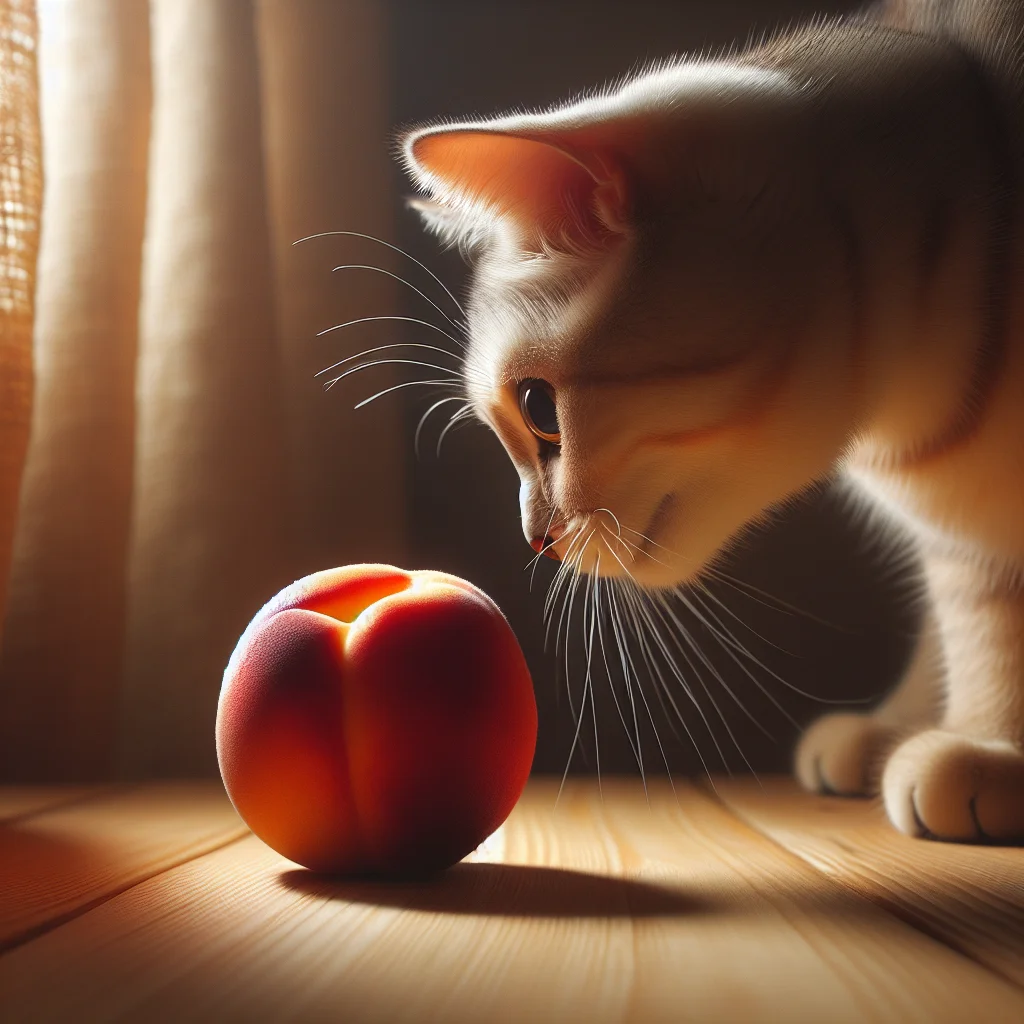
Şeftali, or nectarine, is generally considered a fruit to approach with caution when it comes to your feline companions. The primary concern lies in the seeds, which contain cyanogenic compounds that can release cyanide—a potent toxin. Additionally, the flesh may cause digestive upset due to its fiber content. While a small, accidental ingestion is unlikely to be life-threatening, pet owners should be vigilant and aware of potential symptoms and preventative measures.
Are Şeftali Seeds Toxic to Cats?
The seeds of şeftali, like those of many stone fruits, contain cyanogenic glycosides. When these compounds are metabolized, they release cyanide, which can inhibit cellular respiration. Even a small amount of this potent toxin can cause significant harm to a cat's delicate system. If you suspect your cat has ingested şeftali seeds, watch for symptoms such as lethargy, difficulty breathing, or drooling, and contact your veterinarian immediately.
What Happens if a Cat Eats Şeftali Flesh?
While the flesh of şeftali is not inherently toxic, it can still cause problems for cats, primarily due to its high fiber content and sugar levels. Cats have a limited ability to digest sugars and excessive fiber, which can lead to gastrointestinal upset. Symptoms like diarrhea or vomiting might occur if a cat consumes too much şeftali flesh. Moderation is key, and any introduction of new foods should be gradual.
How Can You Prevent Şeftali Poisoning in Cats?
Preventing şeftali poisoning involves keeping the fruit out of reach of curious paws. Store şeftali securely and dispose of pits carefully. If you offer a taste to your cat, ensure the fruit is prepared properly by removing the pit and cutting it into small, manageable pieces. Monitoring your cat’s reaction to new foods is essential to prevent any adverse effects.
What Should You Do if Your Cat Shows Symptoms After Eating Şeftali?
If your cat exhibits symptoms such as vomiting, diarrhea, or lethargy after consuming şeftali, it's critical to consult your veterinarian promptly. Describe the symptoms and provide details about the amount ingested to help the vet determine the best course of action. Quick intervention can prevent more severe health issues.
Is There a Safe Amount of Şeftali for Cats?
While it's best to avoid giving şeftali to cats, if you choose to do so, keep the portion very small and infrequent. A tiny piece of peeled flesh can be a rare treat, but it should not become a regular part of their diet. Cats thrive on a diet tailored to their carnivorous needs, and fruits like şeftali should be considered an occasional indulgence, not a staple.
Toxicity Levels
| Type | Amount | Risk |
|---|---|---|
| Şeftali Flesh | Small | Low |
| Şeftali Flesh | Moderate | Moderate |
| Şeftali Flesh | Large | High |
| Şeftali Seed | Any | Very High |
| Şeftali Skin | Small | Low |
| Şeftali Skin | Moderate | Moderate |
Symptoms to Watch For
- Vomiting
- Diarrhea
- Lethargy
- Difficulty Breathing
- Drooling
Frequently Asked Questions
Can cats eat şeftali skin?
What are the signs of cyanide poisoning in cats?
How much şeftali is too much for a cat?
Are there any fruits that are safe for cats?
Why do cats like to try fruits like şeftali?