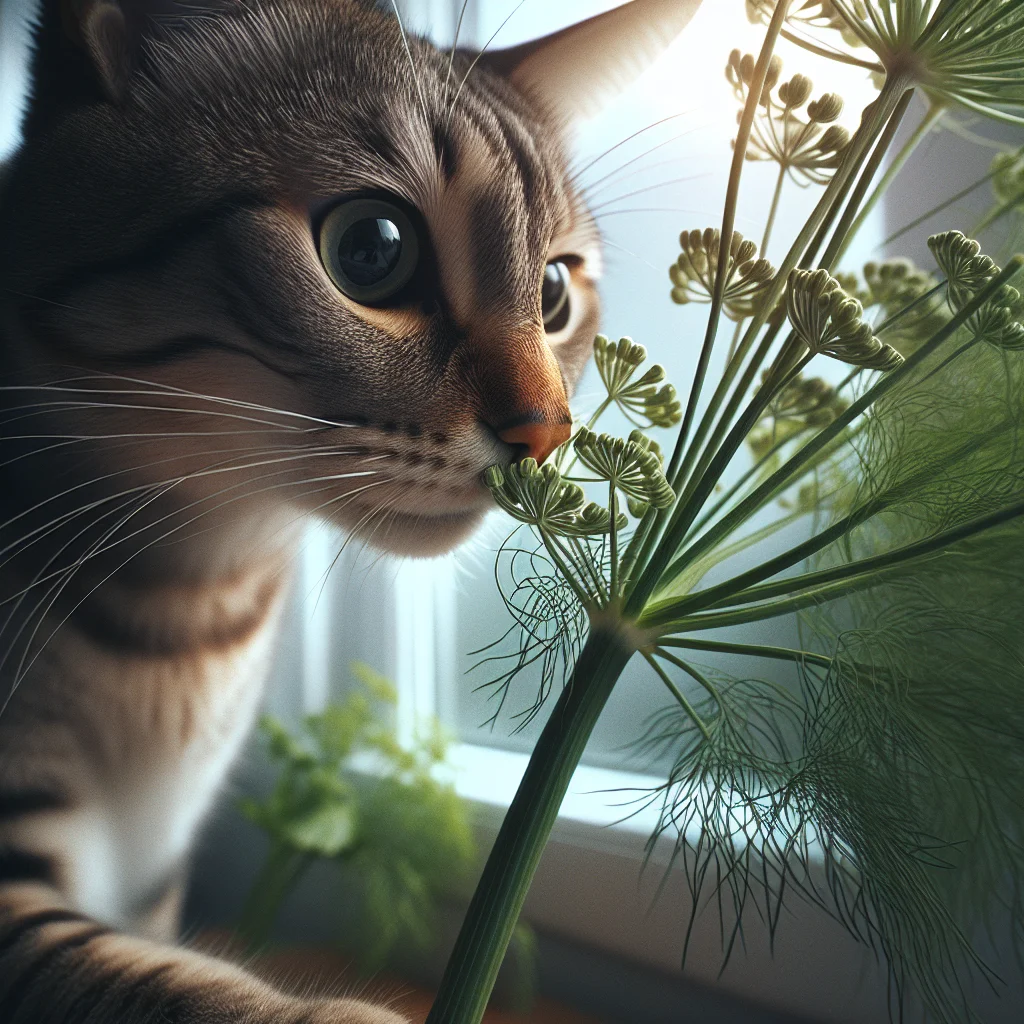
Can Cats Eat Fennel? Safe Benefits Unveiled
Fennel is safe for cats to consume in moderation. This aromatic herb lacks toxic compounds that could harm felines, making it a potential supplement for their diet. Fennel contains essential oils and phytonutrients that may aid in digestion and provide anti-inflammatory benefits. However, as with any new food, it's crucial to introduce fennel gradually and observe any adverse reactions.
Is Fennel Beneficial for Cats?
Fennel may offer several health benefits for cats, including aiding digestion and providing anti-inflammatory properties. The presence of antioxidants and essential vitamins like vitamin C can support your cat's immune system. Some cat owners report that fennel helps alleviate minor digestive issues, such as gas or bloating. However, remember that these benefits should be considered supplementary, not a replacement for a balanced feline diet.
How Much Fennel Should Cats Eat?
When introducing fennel to your cat's diet, moderation is key. Start with a small amount, perhaps a pinch of fresh fennel leaves or a teaspoon of fennel tea mixed with their food. Monitor your cat's reaction over the next 24 to 48 hours. If no adverse effects are noted, fennel can be offered occasionally as a treat. Consistent overconsumption might lead to stomach upset or diarrhea, so always ensure it remains a minor part of their diet.
Are There Any Risks With Feeding Cats Fennel?
While fennel is generally safe for cats, there are a few considerations to keep in mind. Some cats may be allergic or sensitive to fennel. Symptoms could include vomiting, diarrhea, or skin irritation. If you notice any of these symptoms after your cat consumes fennel, discontinue its use immediately. Additionally, avoid feeding your cat fennel seeds, as they might pose a choking hazard or cause digestive upset.
Can Fennel Improve My Cat's Digestion?
Fennel is traditionally known for its digestive benefits in humans, and it may offer similar advantages for cats. It can help soothe the gastrointestinal tract, potentially relieving mild digestive ailments like gas or cramps. The fiber content in fennel can also support regular bowel movements. However, these benefits are anecdotal, and not every cat will respond the same way. Always consult your veterinarian before making significant changes to your pet's diet.
Should I Consult a Vet Before Giving My Cat Fennel?
Consulting your veterinarian before introducing any new food, including fennel, into your cat's diet is a wise decision. Your vet can provide guidance based on your cat's specific health needs and any pre-existing conditions. They can also recommend appropriate serving sizes and frequency to ensure your cat's safety and health benefits.
Toxicity Levels
| Type | Amount | Risk |
|---|---|---|
| Fresh Fennel Leaves | Pinch | Low |
| Fennel Tea | 1 tsp | Low |
| Fennel Seeds | Any | Moderate |
| Fennel Oil | Any | High |
| Cooked Fennel | Small Piece | Low |
Symptoms to Watch For
- Vomiting
- Diarrhea
- Skin Irritation
- Stomach Upset
- Lethargy
Frequently Asked Questions
Can cats have fennel regularly?
What forms of fennel can cats eat?
Are there any allergic reactions cats may have to fennel?
Can fennel help with my cat's gas?
How can I introduce fennel to my cat?