
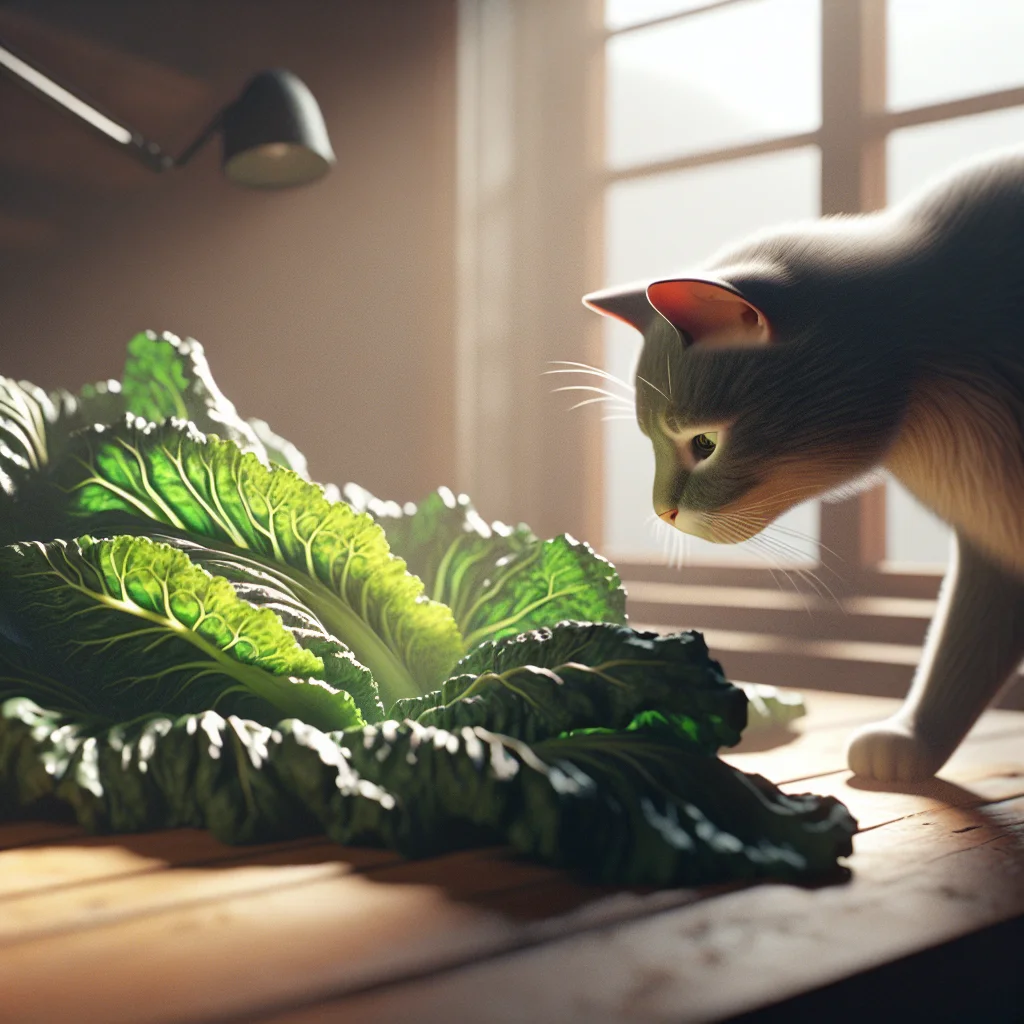
If you suspect your pet has ingested this food, do not wait for symptoms. Contact your veterinarian immediately.
Chard is considered a cautionary food for cats. While it is not outright toxic, it contains oxalates that can interfere with calcium absorption and cause kidney issues if consumed in significant amounts. Understanding the potential risks and benefits of feeding chard to your feline friend is crucial for their wellbeing.
What are the potential risks of feeding chard to cats?
Chard contains oxalates, which can bind with calcium in the body, potentially leading to issues such as calcium deficiency and kidney stones. If a cat ingests a substantial amount of chard, the risk of these conditions increases. It's important to note that while chard is rich in nutrients beneficial to humans, cats have different dietary requirements. Their digestive systems are not designed to process high quantities of plant matter. Therefore, feeding chard as a regular part of a cat's diet is not advisable. Instead, it should be considered an occasional treat, if at all, and in very small amounts.
How can chard affect a cat's health?
While a small nibble of chard might not harm your cat, consistent consumption can lead to gastrointestinal upset. Symptoms may include vomiting, diarrhea, and a decrease in appetite. The oxalates in chard can also cause calcium oxalate stones to form in the urinary tract, leading to painful urination, and in severe cases, urinary blockage. This condition requires immediate veterinary attention. Monitoring your cat's behavior and health after they consume chard is crucial to catching any adverse effects early.
Are there any benefits to chard for cats?
Chard does contain vitamins and minerals such as vitamin K, vitamin A, and magnesium, which are beneficial in small amounts. However, cats primarily require a diet rich in proteins and fats. The benefits of these vitamins and minerals from chard are minimal compared to the potential risks it poses. If you are considering supplementing your cat's diet with vegetables, it's best to consult with a veterinarian to ensure their nutritional needs are being adequately met.
What are safer alternatives to chard for cats?
If you wish to incorporate vegetables into your cat's diet, there are safer options than chard. Cooked carrots, peas, and small amounts of pumpkin can be beneficial and are generally well-tolerated by cats. These vegetables can provide some fiber and moisture, aiding in digestion without the risks associated with oxalates. Always introduce new foods gradually and in small amounts, observing your cat for any adverse reactions.
How should I respond if my cat eats chard?
If your cat consumes a small amount of chard, monitor them for any signs of distress such as vomiting or lethargy. In most cases, a small amount is unlikely to cause significant harm. However, if your cat exhibits any unusual symptoms, or if they have ingested a large quantity, contact your veterinarian immediately. They can provide guidance on whether any medical intervention is necessary.
Toxicity Levels
| Type | Amount | Risk |
|---|---|---|
| Chard (raw) | Small nibble | Low |
| Chard (raw) | Moderate | Moderate |
| Chard (raw) | Large | High |
| Chard (cooked) | Small nibble | Low |
| Chard (cooked) | Moderate | Moderate |
| Chard (cooked) | Large | High |
Symptoms to Watch For
- Vomiting
- Diarrhea
- Lethargy
- Decreased Appetite
- Painful Urination
Frequently Asked Questions
Can chard cause kidney problems in cats?
Is chard safe for kittens?
How much chard is too much for a cat?
What should I do if my cat shows symptoms after eating chard?
Are there any vegetables that are safe for cats?