
If you suspect your pet has ingested this food, do not wait for symptoms. Contact your veterinarian immediately.
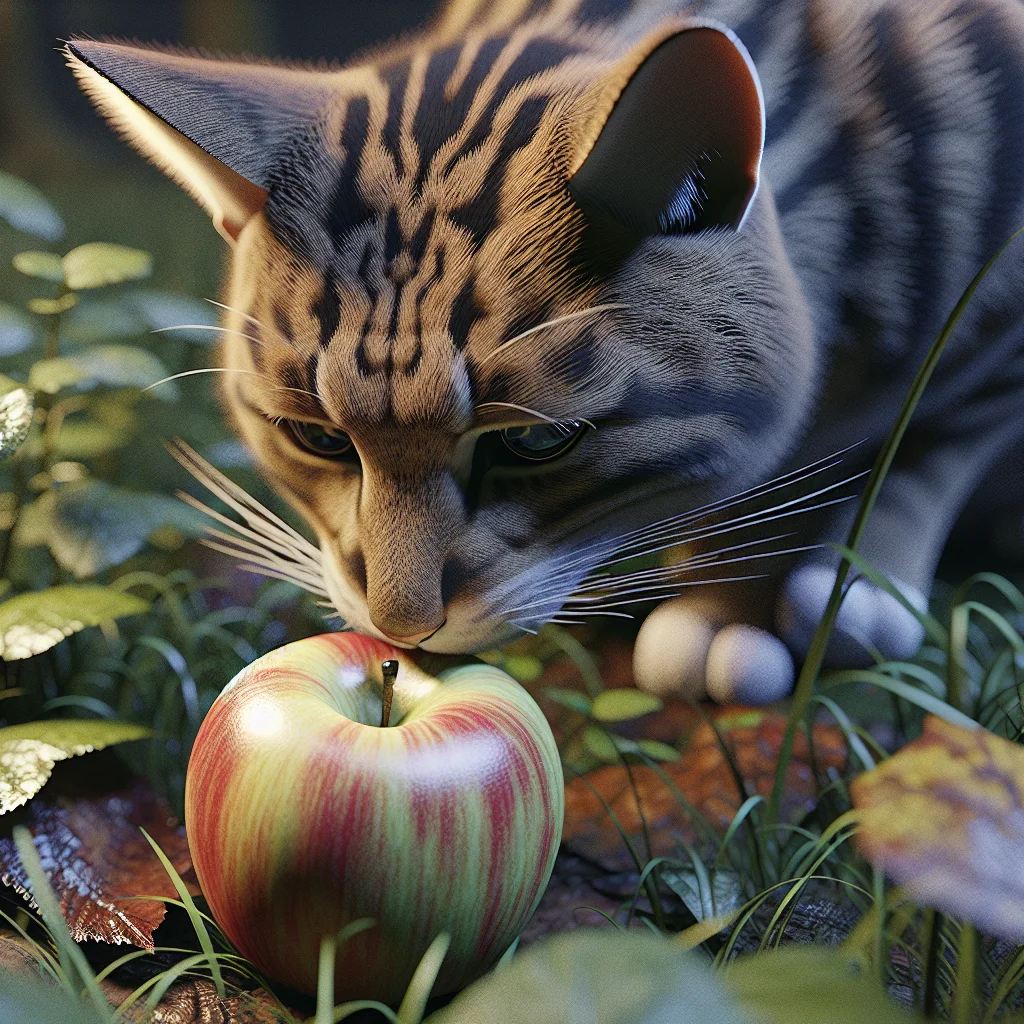
Apples are generally safe for cats if consumed in moderation, but caution is crucial due to certain toxic components. The seeds and core contain cyanogenic glycosides, which can release cyanide when metabolized, posing a risk to cats. While the flesh is not inherently toxic, it offers minimal nutritional benefits for felines, obligate carnivores that thrive on a meat-based diet. Let's explore the nuances of feeding apples to cats.
What Are the Risks of Feeding Elma to Cats?
While the fleshy part of an elma (apple) is not toxic, the seeds, stem, and core contain compounds that can be harmful. Cyanogenic glycosides present in the seeds can release cyanide, a potent toxin, in a cat's digestive system. Symptoms of cyanide poisoning include difficulty breathing, vomiting, and dilated pupils. Additionally, the high sugar content in apples can lead to digestive upset and obesity if fed in large amounts. Always remove the seeds and core before offering any apple pieces to your feline friend.
How Much Elma is Safe for Cats to Consume?
Moderation is key when offering elma to cats. A small, appropriately prepared piece as an occasional treat is usually safe. Cats do not require fruits in their diet, so the flesh of the apple should only be given sparingly. A small slice no larger than a couple of bites is sufficient. Always ensure that the apple is washed thoroughly, the seeds and core are removed, and the flesh is cut into manageable, bite-sized pieces.
What Are the Symptoms of Elma Toxicity in Cats?
If a cat consumes the seeds or large amounts of elma, watch for signs of toxicity. Symptoms can include vomiting, diarrhea, lethargy, and difficulty breathing. In severe cases, the cat might exhibit signs of cyanide poisoning, such as rapid panting, elevated heart rate, and shock. If you notice any of these symptoms after feeding your cat apple, seek immediate veterinary attention.
Can Elma Provide Any Health Benefits to Cats?
While apples are rich in vitamins like vitamin C and fiber, these nutrients are not particularly beneficial for cats, who derive their nutritional needs primarily from proteins. The occasional small piece of apple flesh may provide some dietary fiber, but it should not replace any part of a balanced feline diet. Cats generally do not benefit significantly from fruits, and elma should be considered a rare treat rather than a dietary staple.
Why Do Some Cats Like Elma?
Cats are curious creatures, and their interest in elma may be due to its texture or the novelty of its taste. Some cats may enjoy the crispness of an apple slice, but this interest is not indicative of a dietary need. It's always best to offer such treats in moderation, ensuring that they do not interfere with the cat's primary nutritional intake.
Toxicity Levels
| Type | Amount | Risk |
|---|---|---|
| Apple Seeds | Few | High |
| Apple Core | One | Moderate |
| Apple Flesh | Small Slice | Low |
| Whole Apple | One | High |
| Apple Skin | Few Pieces | Moderate |
Symptoms to Watch For
- Vomiting
- Diarrhea
- Difficulty Breathing
- Lethargy
- Dilated Pupils
Frequently Asked Questions
Are apple seeds toxic to cats?
Can cats eat apple skin?
How should I prepare apples for my cat?
What should I do if my cat eats a whole apple?
Are there any fruits that are safe for cats?