If you suspect your pet has ingested this food, do not wait for symptoms. Contact your veterinarian immediately.
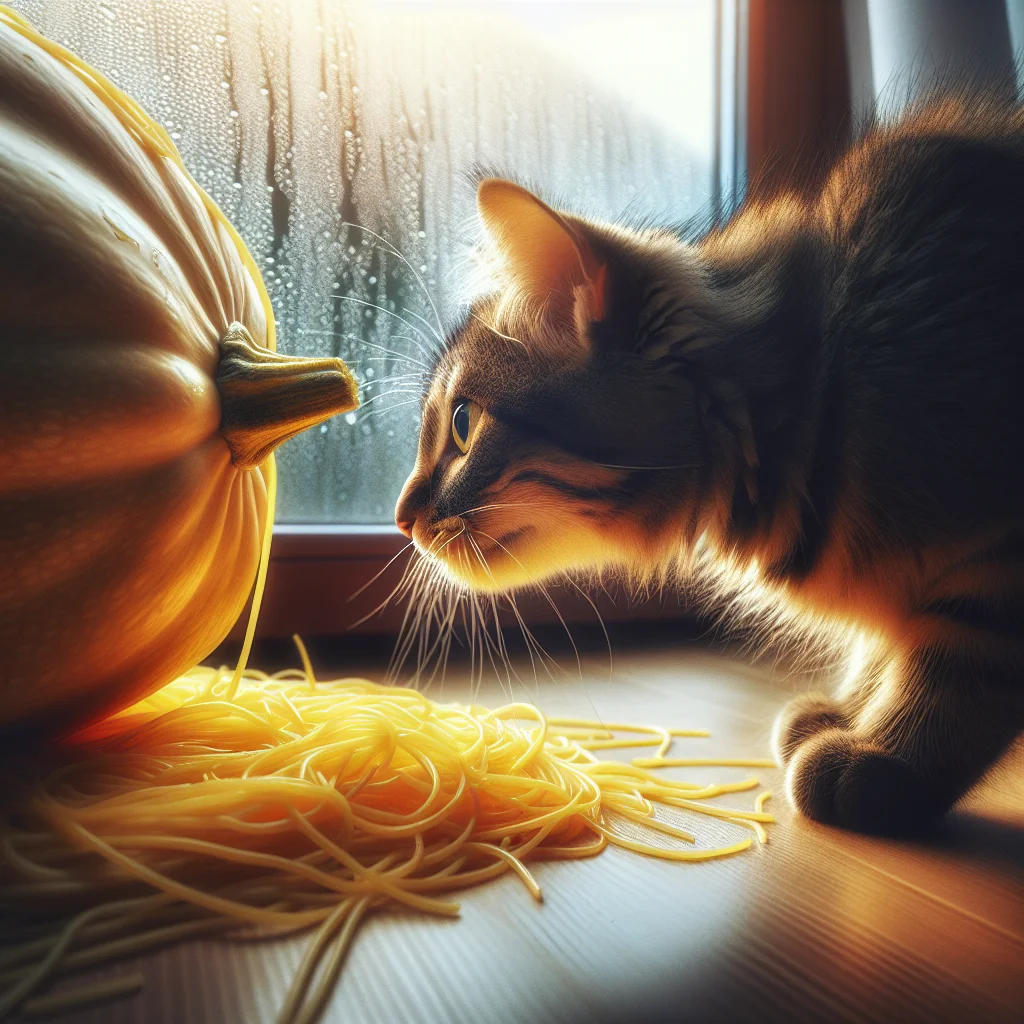
Spaghetti squash is generally safe for cats to consume in moderation. However, it is crucial to prepare it correctly and monitor your cat's reaction due to its high fiber content, which can cause digestive issues in felines. Cats are obligate carnivores, meaning their diet primarily requires meat for optimal health. While spaghetti squash lacks harmful toxins, its nutritional profile doesn't align with a cat's dietary needs, necessitating cautious feeding.
Can Cats Digest Spaghetti Squash Easily?
Cats can digest spaghetti squash to some extent, but their digestive systems are not designed to process high amounts of fiber. The fibrous nature of spaghetti squash may lead to gastrointestinal discomfort if fed in large quantities. It's crucial to offer it in small, cooked portions and observe for any signs of digestive upset, such as diarrhea or gas. Always introduce new foods gradually to assess your cat's tolerance.
How Much Spaghetti Squash is Safe for Cats?
Moderation is key when feeding spaghetti squash to cats. A tiny amount, such as a teaspoon or two, mixed with their regular food is usually enough. This ensures they receive the potential benefits of the squash without overwhelming their digestive system. Overfeeding can lead to discomfort and disrupt a balanced diet, so keeping portions small and infrequent is essential.
What Are the Benefits of Spaghetti Squash for Cats?
Spaghetti squash offers limited nutritional benefits for cats. It is low in calories and contains some vitamins and minerals, such as Vitamin A, which could support eye health. However, the nutritional benefits are minimal compared to a meat-based diet. Its primary advantage is as a low-calorie treat that can add variety to a cat's diet without significant risk when fed sparingly.
How Should You Prepare Spaghetti Squash for Cats?
Preparing spaghetti squash for cats involves cooking it thoroughly without any added seasonings, oils, or spices. Raw squash can be difficult for cats to chew and digest, so make sure it is soft and mashed to avoid choking hazards. Always remove the seeds and skin, as these parts can pose digestive risks. Offering squash in its simplest form ensures that it is as safe and digestible as possible.
What Signs Indicate a Negative Reaction to Spaghetti Squash?
Look out for signs of gastrointestinal distress such as vomiting, diarrhea, or lethargy after introducing spaghetti squash. If you notice any unusual behavior or symptoms, it is best to discontinue feeding it and consult a veterinarian. Cats with underlying health conditions may be more susceptible to adverse reactions, so extra caution is advised.
Toxicity Levels
| Type | Amount | Risk |
|---|---|---|
| Raw Spaghetti Squash | Any | High |
| Cooked Spaghetti Squash | 1-2 tsp | Low |
| Cooked with Seasonings | Any | High |
| Cooked with Butter | Any | Moderate |
| Cooked and Mashed | 1-2 tsp | Low |
| Spaghetti Squash Seeds | Any | High |
| Spaghetti Squash Skin | Any | High |
Symptoms to Watch For
- Vomiting
- Diarrhea
- Bloating
- Lethargy
- Loss of Appetite
Frequently Asked Questions
Is spaghetti squash toxic to cats?
Can kittens eat spaghetti squash?
Why does my cat refuse to eat spaghetti squash?
Can spaghetti squash cause allergies in cats?
What should I do if my cat ate too much spaghetti squash?