
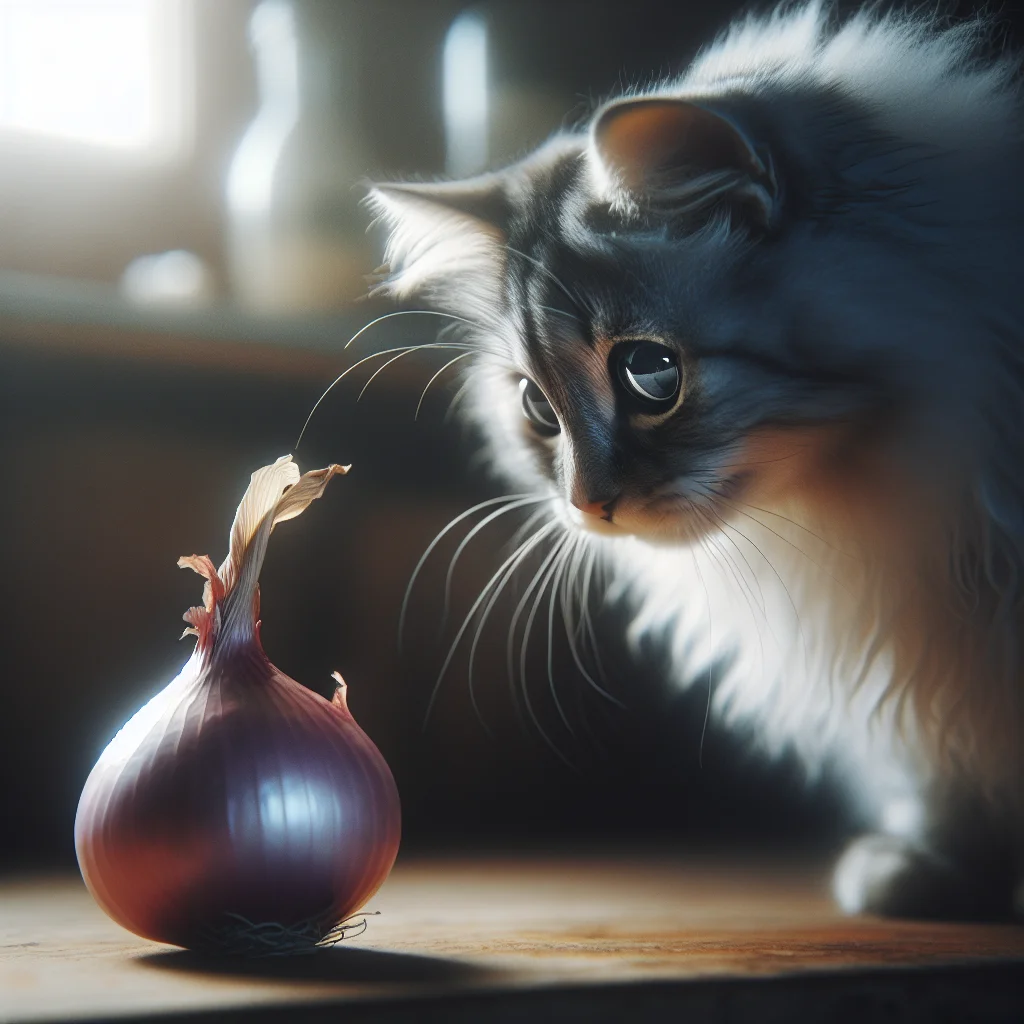
If you suspect your pet has ingested this food, do not wait for symptoms. Contact your veterinarian immediately.
Toxic. That’s the verdict when it comes to shallots and your feline friends. The toxicity in shallots stems primarily from compounds known as thiosulfates, which can cause oxidative damage to cats' red blood cells, leading to hemolytic anemia. Unlike humans, cats are particularly susceptible to these compounds, making even small amounts potentially dangerous.
What are the Symptoms of Shallot Poisoning in Cats?
When a cat consumes shallots, the symptoms can vary depending on the amount ingested. Common signs of poisoning include vomiting, diarrhea, lethargy, and a noticeable weakness or unwillingness to move. These symptoms often appear within a day or two after ingestion. In severe cases, you may notice your cat's gums turning pale or yellow, a condition known as jaundice, due to the destruction of red blood cells. Immediate veterinary attention is crucial if you suspect shallot ingestion.
How Much Shallot is Dangerous for Cats?
Even a small piece of shallot can be harmful to your cat. The toxic dose is estimated to be around 5 grams per kilogram of the cat's body weight, but sensitivity can vary. To put it simply, even a tiny amount can pose a risk, especially if your cat is small or has existing health issues. It's best to ensure that shallots, along with related foods like onions and garlic, are kept well out of your cat’s reach to avoid any accidental ingestion.
Why are Shallots More Dangerous Than Other Foods?
The danger of shallots lies in their high concentration of thiosulfates compared to other foods. Cats lack the necessary enzymes to effectively break down these compounds. This inability leads to oxidative stress on their red blood cells, causing them to burst. This process significantly reduces the oxygen-carrying capacity of their blood, leading to fatigue and potential organ failure if not treated promptly.
What Should I Do if My Cat Eats Shallots?
If you suspect your cat has eaten shallots, observing them closely for any signs of distress is crucial. Contact your veterinarian immediately for guidance. You might be advised to induce vomiting if the ingestion was recent, or your vet may suggest bringing your cat in for a thorough examination. Prompt action can prevent the progression of symptoms and reduce the risk of long-term damage.
Can Cats Recover from Shallot Poisoning?
With prompt and appropriate veterinary care, cats can recover from shallot poisoning. Treatment generally involves supportive care, including fluid therapy to prevent dehydration and medications to support oxygen transport in the blood. In severe cases, a blood transfusion might be necessary. Following recovery, it’s essential to keep shallots and related items out of your cat’s environment to prevent recurrence.
Toxicity Levels
| Type | Amount | Risk |
|---|---|---|
| Raw Shallot | 5g/kg | High |
| Cooked Shallot | 5g/kg | High |
| Shallot Powder | Less than 5g/kg | High |
| Shallot-infused Foods | Varies | Moderate to High |
| Shallot-based Sauces | Varies | High |
Symptoms to Watch For
- Vomiting
- Diarrhea
- Lethargy
- Pale Gums
- Weakness
Frequently Asked Questions
Can a small amount of shallot hurt my cat?
How long does it take for shallot poisoning symptoms to appear in cats?
Is there an antidote for shallot poisoning in cats?
Are cooked shallots less toxic to cats?
Can shallot poisoning be mistaken for other illnesses in cats?