
If you suspect your pet has ingested this food, do not wait for symptoms. Contact your veterinarian immediately.
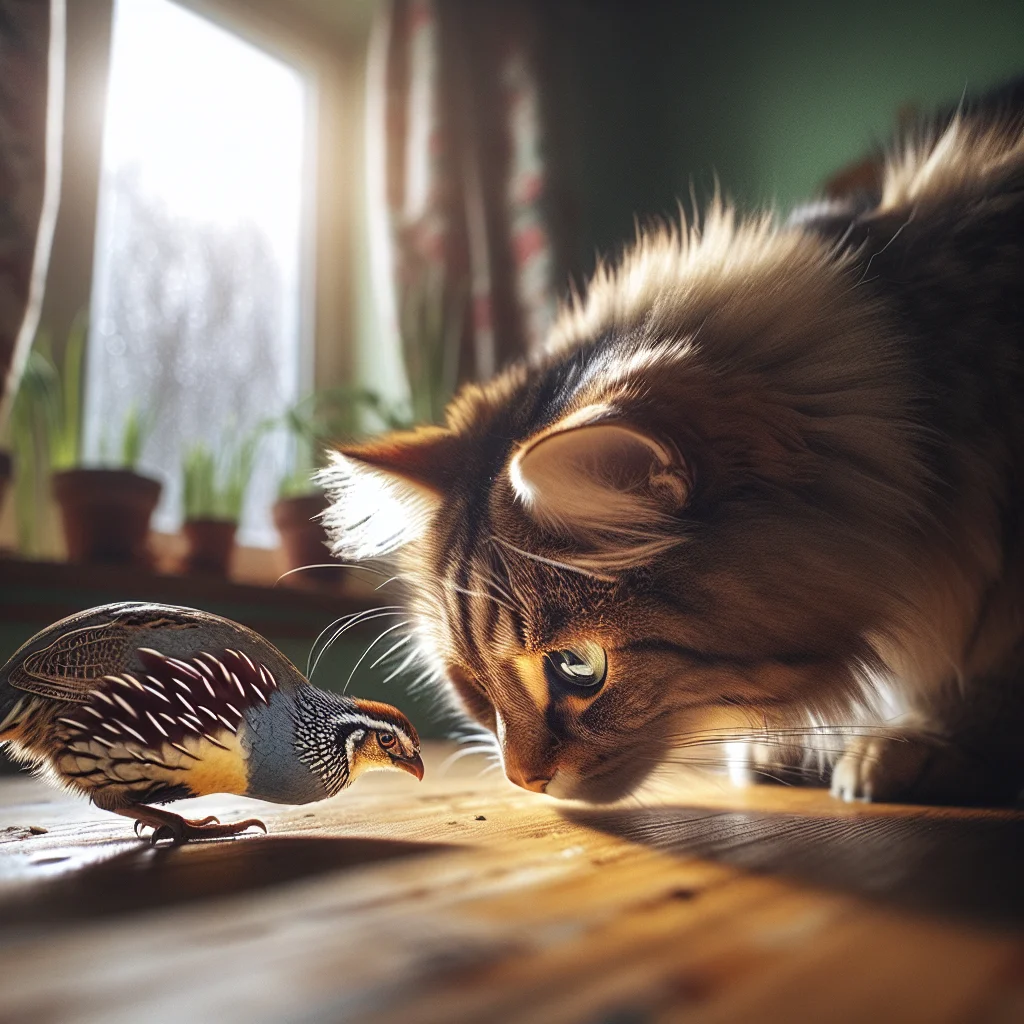
Quail is generally safe for cats to eat, but caution is advised due to certain risks. While quail meat itself is not inherently toxic to felines, the potential presence of bones and the risk of bacterial contamination, such as Salmonella, can pose health hazards. Cats are obligate carnivores, and their digestive systems are built to handle raw meat, but care must be taken to avoid feeding them raw, unprocessed quail. The small bones in quail can be particularly dangerous as they might splinter and cause internal damage or blockages.
What Are the Potential Risks of Feeding Quail to Cats?
Feeding quail to your cat can come with several risks. The primary concern is the presence of small bones, which can splinter and cause obstructions or tears in the digestive tract. Moreover, raw quail can carry bacteria such as Salmonella and Campylobacter, which can lead to gastrointestinal upset and more severe health issues. Always ensure that the quail is cooked thoroughly to kill any harmful bacteria, and remove all bones before serving. If you're introducing quail into your cat's diet for the first time, do so gradually and monitor for any adverse reactions.
How Should Quail Be Prepared for Cats?
To safely prepare quail for your cat, remove all bones and cook the meat thoroughly to eliminate any harmful bacteria. Avoid using seasoning or oils that can be harmful to cats. Boiling or baking are the safest methods for cooking quail. Once cooked, let the meat cool and cut it into small, manageable pieces suitable for your cat's size. Cats with sensitive stomachs may require additional care, such as mixing the quail with their regular food to ease digestion.
What Are the Symptoms of Quail-Induced Health Issues in Cats?
Symptoms of potential health issues from eating quail can include vomiting, diarrhea, lethargy, and abdominal pain. In severe cases, a cat may show signs of choking or obstruction if bones were ingested. If you notice any of these symptoms after your cat has eaten quail, it is crucial to contact your veterinarian immediately. Rapid intervention can prevent more serious complications from developing.
How Can You Introduce Quail to Your Cat's Diet Safely?
Introducing quail into your cat's diet should be done slowly and cautiously. Start by offering a small amount of cooked quail without any bones. Observe your cat for any adverse reactions over the next 24 hours. If your cat tolerates the quail well, you can gradually increase the portion size. It's important to maintain a balanced diet, so quail should not replace your cat's regular food but can be offered as an occasional treat.
Are There Any Alternatives to Feeding Quail to Cats?
If you're hesitant about feeding quail to your cat, there are several alternatives that provide similar nutritional benefits without the associated risks. Chicken and turkey are excellent protein sources that are generally safer options. Ensure these meats are boneless and cooked properly. Commercially prepared cat foods that include poultry as a primary ingredient can also be considered, as they are formulated to meet the nutritional needs of cats while minimizing the risk of contamination.
Toxicity Levels
| Type | Amount | Risk |
|---|---|---|
| Raw Quail | Any | High |
| Cooked Quail with Bones | Any | High |
| Cooked Boneless Quail | Moderate | Low |
| Quail Eggs | Occasional | Low |
| Processed Quail Products | Avoid | High |
Symptoms to Watch For
- Vomiting
- Diarrhea
- Lethargy
- Abdominal Pain
- Choking or Obstruction
Frequently Asked Questions
Can cats eat raw quail?
What should I do if my cat eats a quail bone?
How much quail can I feed my cat?
Are there any nutritional benefits of quail for cats?
Is it safe to give my cat quail eggs?