
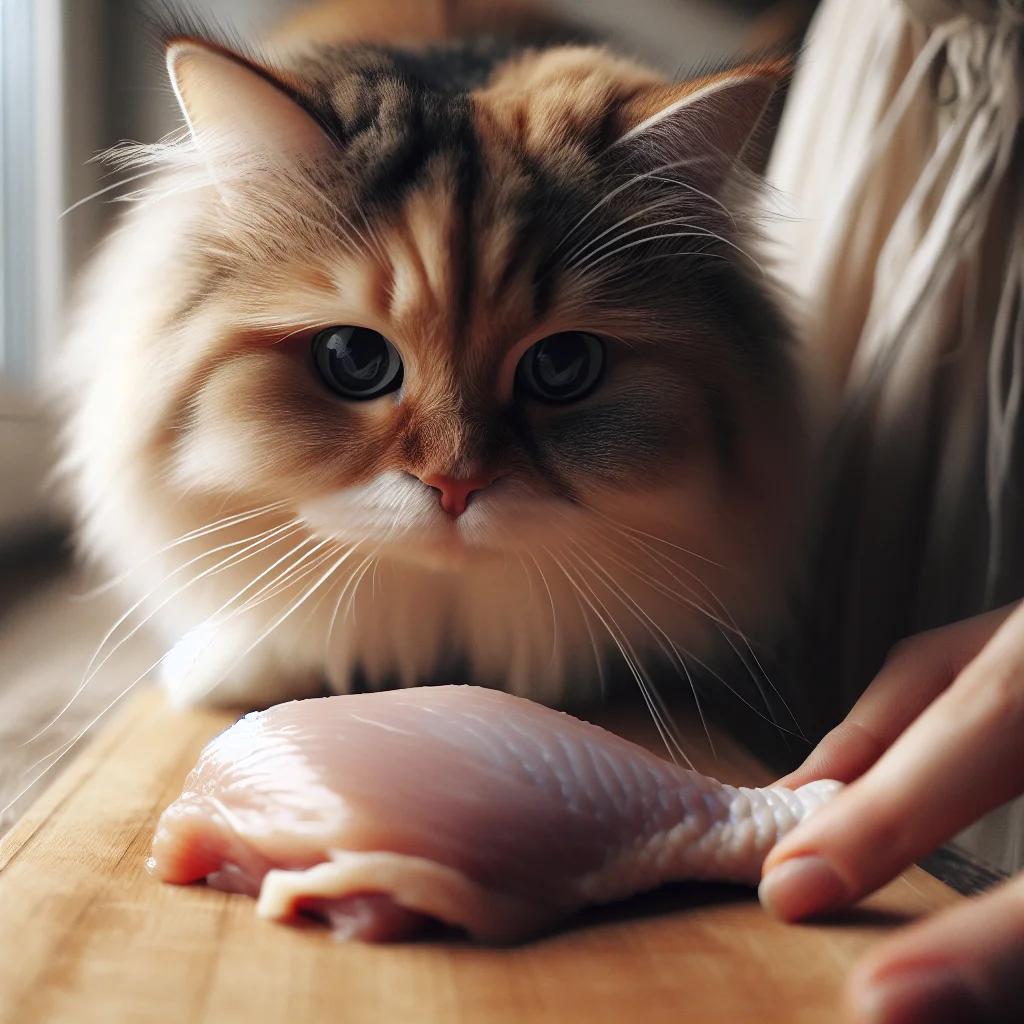
Can Cats Eat Chicken Breast?
Chicken breast is safe for cats to consume, provided it is cooked properly and served in moderation. Unlike foods that contain harmful toxins like chocolate or grapes, chicken breast is free of such dangers and can be a healthy part of a cat's diet when prepared correctly. This lean protein source supports muscle development and provides essential nutrients without the risk of toxicity.
How Should Chicken Breast Be Prepared for Cats?
Before serving chicken breast to cats, it is crucial to cook it thoroughly to eliminate any harmful bacteria such as Salmonella or E. coli. Avoid using seasonings, oils, or additives, as these can upset a cat's stomach or cause other health issues. Boiling or baking the chicken without any seasoning is the safest method. Cut the chicken into small, manageable pieces to prevent choking hazards.
Can Cats Eat Raw Chicken Breast?
Feeding raw chicken breast to cats is generally not recommended due to the risk of bacterial contamination. Raw diets are popular in some circles, but they require careful handling and sourcing from reputable suppliers to mitigate health risks. Most veterinarians advise against feeding raw poultry due to potential infections and nutrient imbalances.
How Much Chicken Breast Can Cats Eat?
While chicken breast is a beneficial protein source, it should not constitute the entirety of a cat's diet. Cats need a balanced diet that includes various nutrients found in commercial cat foods. Chicken breast can be given as an occasional treat or supplement to their regular meals, but it should not exceed 10% of the overall diet to avoid nutritional deficiencies.
Are There Any Risks Associated with Feeding Chicken Breast to Cats?
While chicken breast is generally safe, there are some risks if not prepared or served correctly. Overfeeding can lead to obesity, while undercooked meat poses a risk of bacterial infection. Additionally, bones should be removed as they can splinter and cause injury or choking. Always monitor your cat after introducing new foods to ensure no adverse reactions occur.
Toxicity Levels
| Type | Amount | Risk |
|---|---|---|
| Cooked Chicken | Small | Low |
| Cooked Chicken | Large | Medium |
| Raw Chicken | Any | High |
| Chicken Bones | Any | High |
| Seasoned Chicken | Any | High |
Symptoms to Watch For
- Vomiting
- Diarrhea
- Allergic Reaction
- Choking
- Lethargy
Frequently Asked Questions
Can chicken breast cause allergies in cats?
Is it okay to feed cats chicken breast every day?
Can kittens eat chicken breast?
Does chicken breast provide all necessary nutrients for cats?
What should I do if my cat chokes on chicken?