
If you suspect your pet has ingested this food, do not wait for symptoms. Contact your veterinarian immediately.
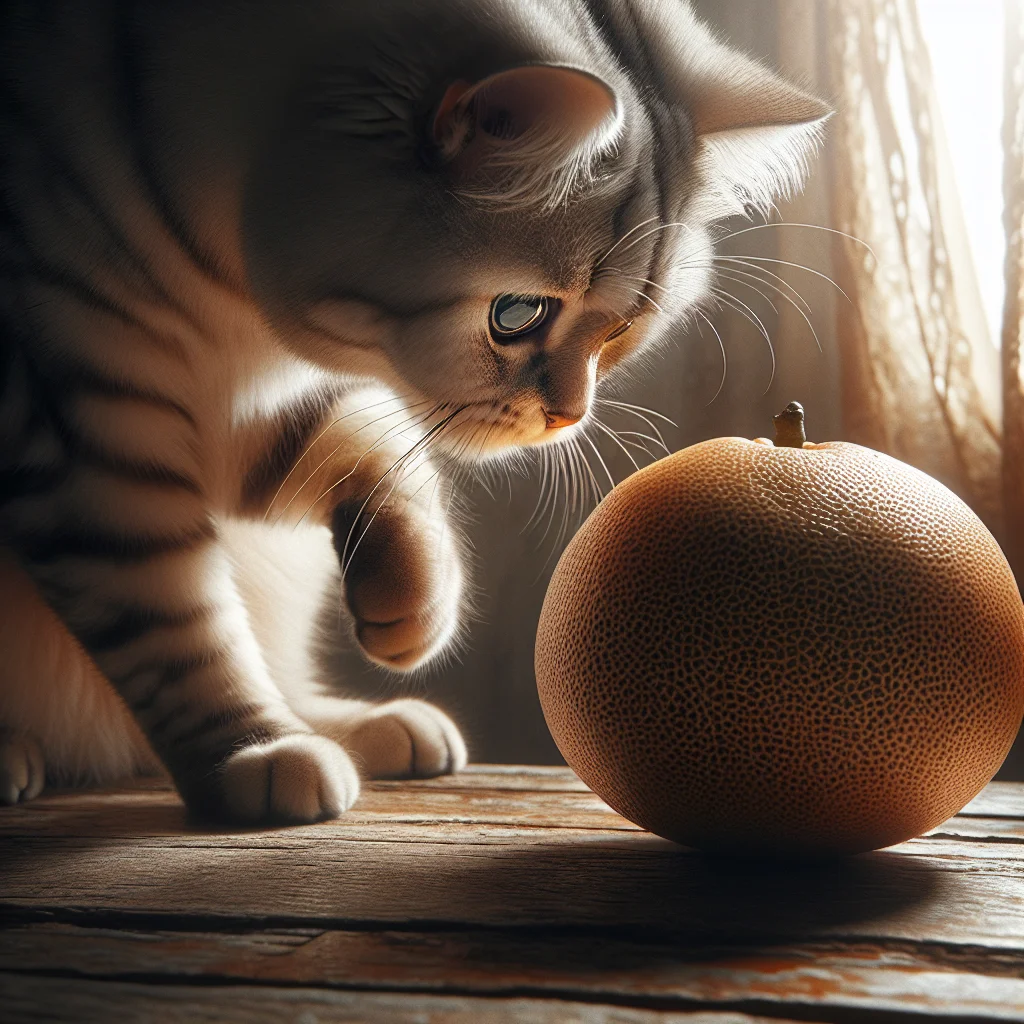
Pomelo is not safe for cats. While it might be tempting to share this citrus fruit with your feline friend, pomelo contains compounds that can pose health risks to cats. The primary concern is the presence of psoralens and essential oils, which are toxic to cats. Psoralens can interfere with a cat's ability to metabolize certain substances, leading to potential poisoning. Additionally, the essential oils in pomelos can cause gastrointestinal upset and other health issues.
Why is Pomelo Harmful to Cats?
Pomelo contains psoralens and essential oils, both of which can be harmful to cats. Psoralens can affect a cat's liver enzymes, leading to potential toxicity if ingested in significant amounts. These compounds are known to cause digestive upset, as well as potential liver damage over time. Essential oils, on the other hand, can cause irritation to a cat's mucous membranes, leading to symptoms such as drooling, vomiting, and diarrhea. It's essential to keep pomelo and other citrus fruits out of reach of your feline friends.
What Happens if a Cat Eats Pomelo?
If a cat consumes pomelo, they may exhibit symptoms like vomiting, diarrhea, drooling, and lethargy. These symptoms result from the cat's body reacting to the toxic compounds found in the fruit. In severe cases, ingestion of large amounts can lead to more serious health issues such as liver damage. It's crucial to monitor your cat for any signs of distress if you suspect they have eaten pomelo, and contact your veterinarian immediately for guidance.
How Much Pomelo is Dangerous for Cats?
Even small amounts of pomelo can be dangerous for cats. While not all cats will react the same way, it is best to err on the side of caution and avoid giving any pomelo to your cat. The size, age, and health status of your cat can all influence how they react to toxic substances. In general, any amount of pomelo is considered unsafe, and pet owners should avoid offering it altogether to prevent any risk of toxicity.
How Can I Protect My Cat from Pomelo Exposure?
To protect your cat from pomelo exposure, keep all citrus fruits, including pomelo, out of reach. Store these fruits in closed containers or cabinets that your cat cannot access. Additionally, educate family members and guests about the potential risks associated with feeding pomelo to cats. If you enjoy eating pomelo, ensure you clean up any leftovers promptly and dispose of them in a secure trash bin. This will help prevent accidental ingestion and keep your cat safe.
What Should I Do if My Cat Shows Symptoms of Pomelo Poisoning?
If your cat shows symptoms of pomelo poisoning, such as vomiting, diarrhea, or lethargy, contact your veterinarian immediately. Provide them with as much information as possible, including how much pomelo your cat may have consumed and when. Follow your veterinarian's advice and monitor your cat closely for any changes in their condition. Early intervention can make a significant difference in the outcome, so it's crucial to act quickly.
Toxicity Levels
| Type | Amount | Risk |
|---|---|---|
| Pomelo Flesh | Small Piece | Moderate |
| Pomelo Peel | Any Amount | High |
| Pomelo Juice | Small Sip | Moderate |
| Pomelo Seeds | Any Amount | High |
| Pomelo Oil | Trace | High |
Symptoms to Watch For
- Vomiting
- Diarrhea
- Drooling
- Lethargy
- Loss of Appetite
Frequently Asked Questions
Can pomelo be fatal to cats?
Are all citrus fruits toxic to cats?
Can pomelo cause long-term health issues in cats?
What should I do if my cat eats a small piece of pomelo?
Are there any safe citrus alternatives for cats?