
If you suspect your pet has ingested this food, do not wait for symptoms. Contact your veterinarian immediately.
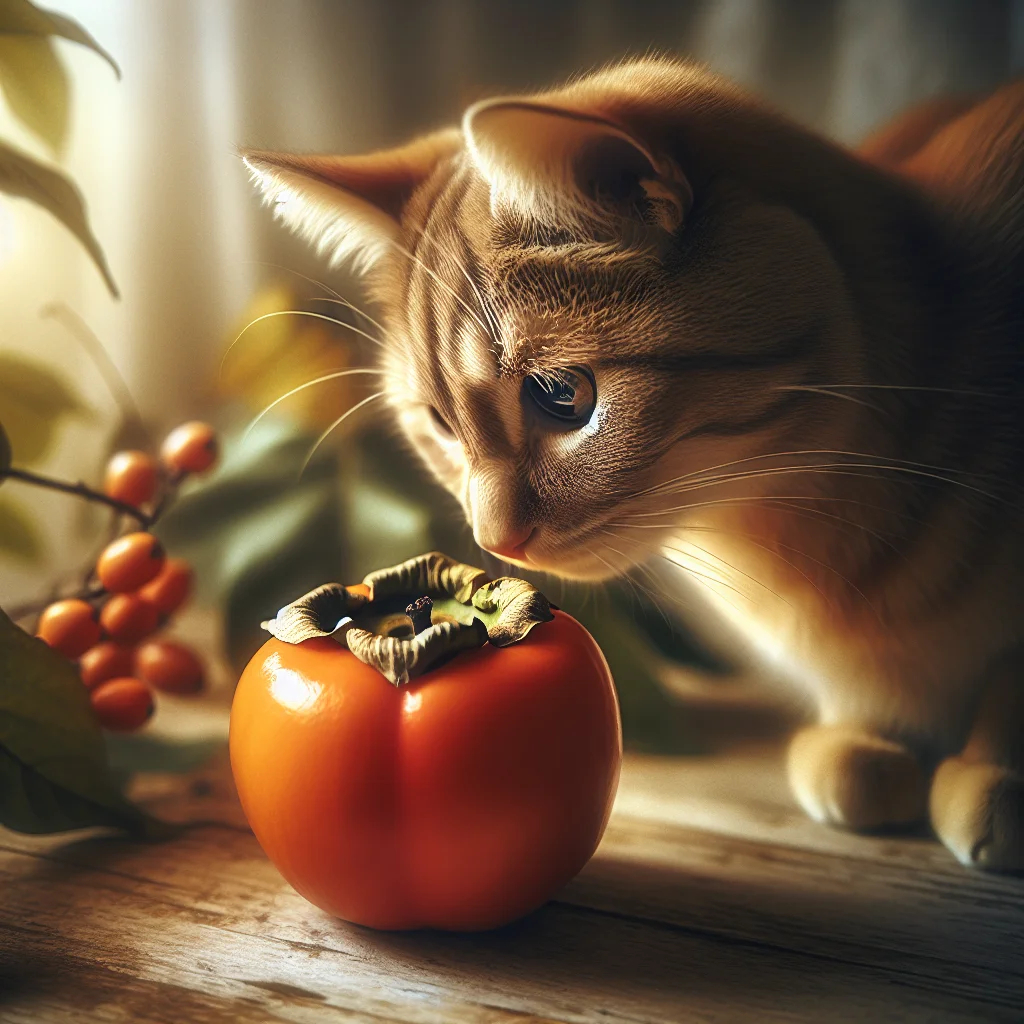
Persimmons are not toxic to cats, but they require caution. This fruit contains small seeds and skin that can pose gastrointestinal issues. The seeds and skin can lead to blockages or other digestive disturbances in felines who are curious enough to try a bite. While persimmons are not poisonous, they can still cause significant discomfort or even lead to more serious health issues if ingested inappropriately.
Are Persimmons Safe for Cats to Eat?
Cats are obligate carnivores, meaning their diet primarily consists of meat. Persimmons, being a fruit, do not fit naturally into a cat’s dietary needs. The main issue arises with the seeds and skin, which can cause gastrointestinal obstructions or irritations. If a cat were to consume the flesh of the persimmon, it might not be inherently harmful, but it might lead to digestive upset or diarrhea due to the fruit's high sugar content, which is unsuitable for cats.
What Happens If a Cat Eats a Persimmon?
If your cat has ingested a persimmon, monitor them closely for any signs of distress. Symptoms such as vomiting, diarrhea, or changes in appetite can occur. If you notice any of these signs, it might be wise to consult with a veterinarian. The persimmon's sugar content can also be problematic, as cats have difficulty processing sugars, potentially leading to weight gain or diabetes if consumed regularly.
Can Persimmon Seeds Harm Cats?
Persimmon seeds are a significant concern for cats. The seeds can cause intestinal blockages, which are serious and may require surgical intervention. If your cat has consumed a portion of persimmon containing seeds, watch for symptoms like vomiting, lack of appetite, or lethargy. These symptoms may indicate a blockage, and immediate veterinary attention would be necessary. Additionally, seeds might contain small amounts of cyanogenic compounds, which are not ideal for cats.
Should I Give My Cat Any Fruit?
While cats are generally not fruit-eaters, small amounts of certain fruits can be safe. Always consult with your veterinarian before introducing new foods into your cat’s diet. Some cats might enjoy small, seedless portions of fruits like watermelon or blueberries, which are safer options. When offering fruits, ensure they are thoroughly washed and cut into manageable pieces, free from seeds or pits.
What Are the Alternatives to Persimmons for Cats?
If you're looking to introduce variety into your cat’s diet, consider cat-safe vegetables or treats designed specifically for felines. Commercially available treats often provide a balanced source of nutrition tailored to a cat's needs. If you want to try natural foods, cooked carrots or peas might be a better option. Always provide new foods in moderation and observe your cat’s reaction to ensure they tolerate it well.
Toxicity Levels
| Type | Amount | Risk |
|---|---|---|
| Seeds | Small | Blockage |
| Skin | Moderate | Irritation |
| Flesh | Large | Digestive Upset |
| Overall | Excessive | Severe Discomfort |
| Sugar Content | High | Diabetes |
Symptoms to Watch For
- Vomiting
- Diarrhea
- Lethargy
- Loss of Appetite
- Abdominal Pain
Frequently Asked Questions
Can persimmons cause illness in cats?
Are there any benefits to feeding persimmons to cats?
How much persimmon is safe for a cat?
What should I do if my cat eats a persimmon?
Why do some cats eat fruits like persimmons?