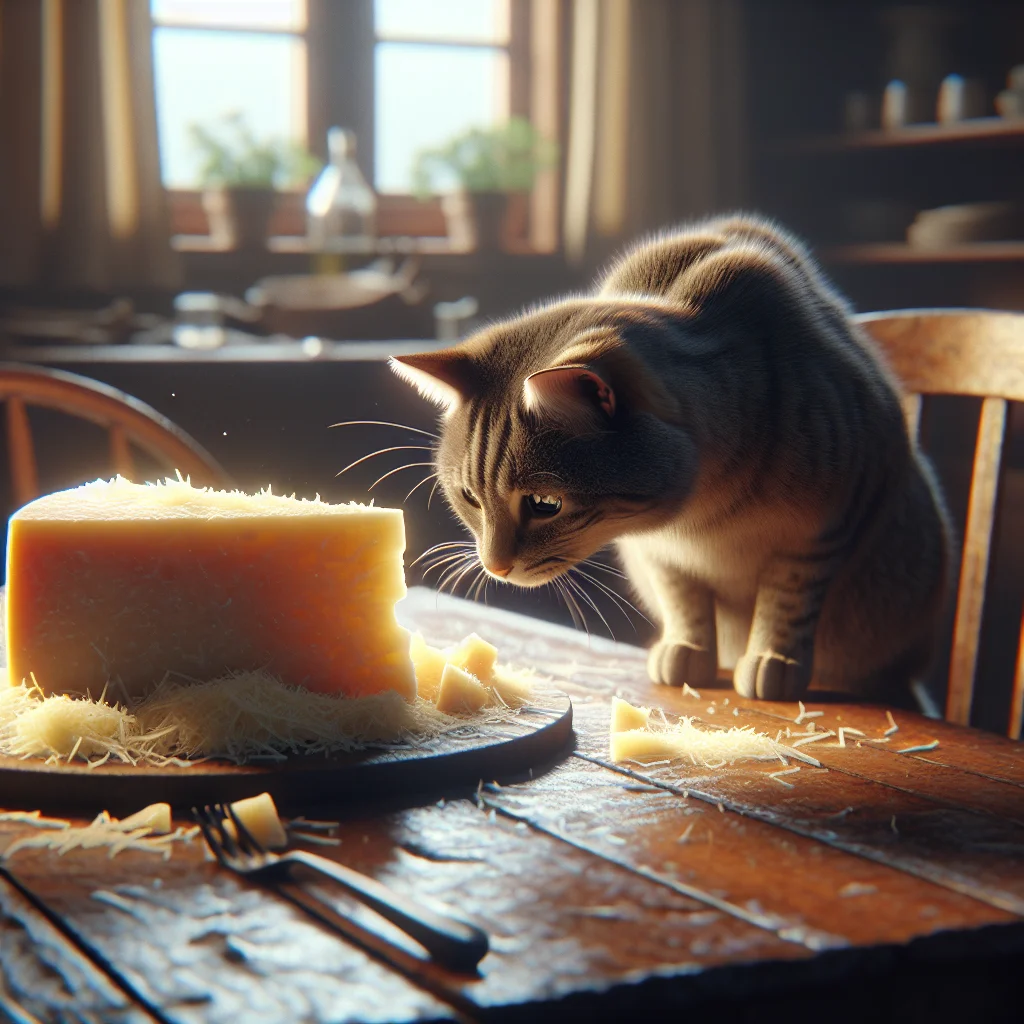
If you suspect your pet has ingested this food, do not wait for symptoms. Contact your veterinarian immediately.
Parmesan cheese is not considered safe for cats. This caution stems from its high salt content and lactose, which can lead to digestive issues in felines. Cats are obligate carnivores and their digestive systems are not equipped to handle dairy products efficiently. The high sodium levels in Parmesan can cause sodium ion poisoning, leading to symptoms such as vomiting, diarrhea, and even more severe neurological issues.
Why is Parmesan Dangerous for Cats?
The primary concern with Parmesan is its high salt content. Sodium ion poisoning can occur when cats ingest large amounts of salt, leading to symptoms like vomiting, diarrhea, tremors, and seizures. Even a small piece can significantly impact a small cat's system. Additionally, Parmesan contains lactose, and most adult cats are lactose intolerant, meaning they lack the enzyme lactase needed to properly digest lactose, leading to gastrointestinal upset.
How Much Parmesan is Too Much for Cats?
Even a small amount of Parmesan can be too much for a cat. A single cube can contain more sodium than is safe for a cat's daily intake. Cats do not require dietary salt, and excessive ingestion can lead to dehydration, increased thirst, and urination, potentially leading to severe complications if not addressed promptly.
What Happens if a Cat Eats Parmesan?
If a cat consumes Parmesan, watch for immediate signs of distress such as vomiting, diarrhea, and lethargy. More severe reactions include tremors and seizures. Prompt veterinary attention is crucial if these symptoms occur. The vet may need to administer fluids to combat dehydration and monitor for any neurological effects.
What Should I Do if My Cat Eats Parmesan?
Immediate action is necessary if your cat consumes Parmesan. Remove any remaining cheese from their reach and monitor them closely. Offer plenty of water to help dilute the sodium in their system. Contact your veterinarian for advice, especially if you notice any symptoms of toxicity. Early intervention can prevent serious health issues.
Are There Any Safe Cheese Alternatives for Cats?
While some cats may enjoy the taste of cheese, it's crucial to choose alternatives that are safe. Small amounts of low-lactose cheese like cottage cheese or specially formulated cat treats may be tolerated better, but always in moderation and under veterinary guidance. Remember, cheese should never replace a balanced feline diet.
Toxicity Levels
| Type | Amount | Risk |
|---|---|---|
| Sodium | High | High |
| Lactose | Moderate | Moderate |
| Fat | High | Moderate |
| Protein | Moderate | Low |
| Calcium | High | Low |
Symptoms to Watch For
- Vomiting
- Diarrhea
- Excessive Thirst
- Lethargy
- Seizures
Frequently Asked Questions
Can Parmesan cheese kill cats?
Why do cats like Parmesan?
How can I tell if my cat is lactose intolerant?
Is any amount of Parmesan safe for cats?
What cheeses are safe for cats?