
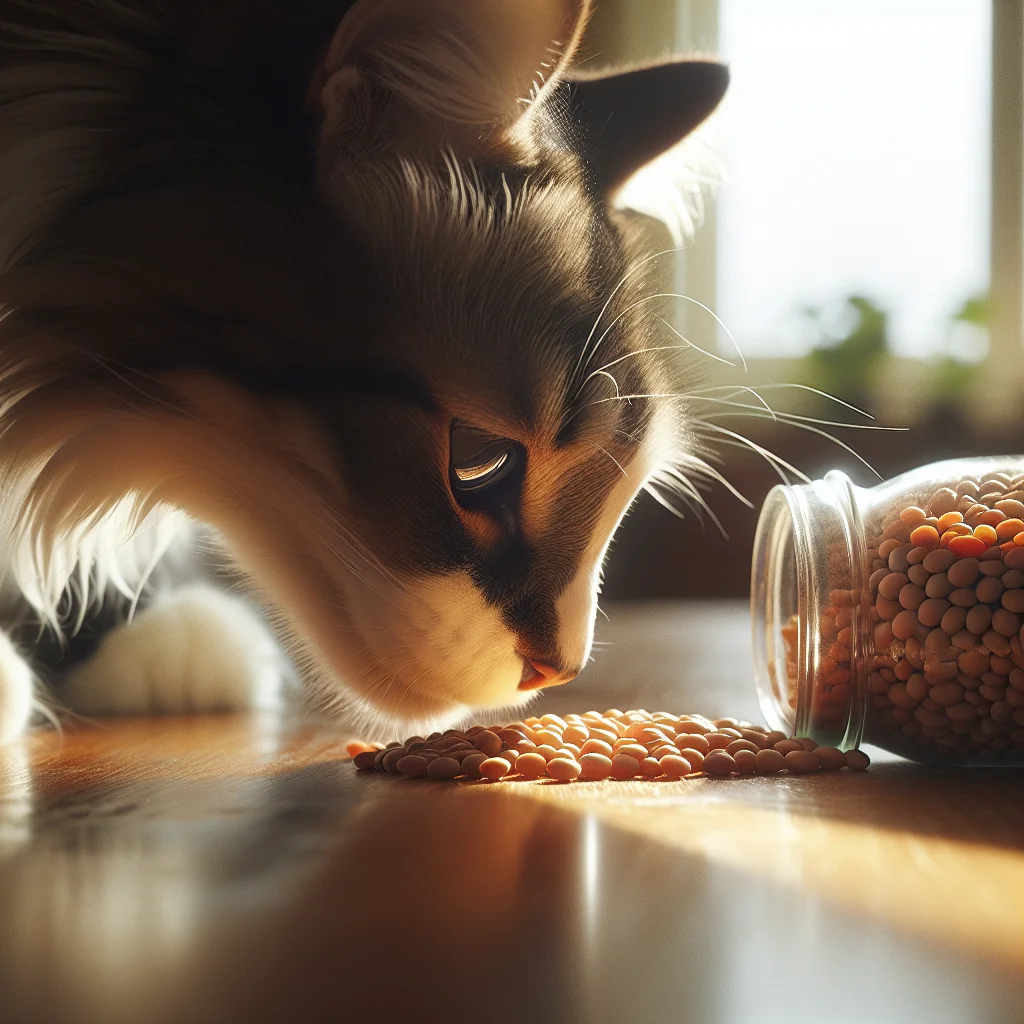
Lentils are safe for cats. These legumes, when cooked and served plain, do not contain any harmful toxins for felines. Lentils are primarily composed of protein and fiber, which can be beneficial to a cat's diet in moderation. Cats are obligate carnivores, meaning their primary diet should consist of meat, but lentils can be a supplementary source of nutrients. However, the high fiber content in lentils can sometimes lead to digestive disturbances in cats if consumed in large quantities. Therefore, it is crucial to moderate the amount and frequency of lentils in a cat's diet.
Why Are Lentils Safe for Cats?
Lentils are safe for cats because they do not contain any compounds known to be toxic to felines. Unlike certain foods such as onions or chocolate, which contain harmful substances like thiosulfate and theobromine, lentils are free from these dangers. The primary components of lentils — protein, fiber, and vitamins — can complement a cat's meat-based diet. However, because cats lack the digestive enzymes needed to break down plant-based proteins efficiently, lentils should be cooked thoroughly to aid in digestion. Offering lentils in moderation ensures your cat can enjoy the benefits without experiencing gastrointestinal upset.
How Should Lentils Be Prepared for Cats?
When introducing lentils into your cat's diet, proper preparation is key. Start by thoroughly cooking the lentils until they are soft, as raw or undercooked lentils can be difficult for cats to digest. Avoid adding any seasonings, spices, or additives like salt, garlic, or onions, as these can be harmful to cats. Once cooked, you can mash the lentils to make them easier to mix with your cat's regular food. Serving lentils in small portions ensures that your cat can safely enjoy them without digestive issues.
What Are the Nutritional Benefits of Lentils for Cats?
Lentils can offer several nutritional benefits for cats when provided in moderation. They are an excellent source of plant-based protein, which can be a supplementary addition to a cat's diet. Lentils also contain essential nutrients such as iron, magnesium, and B vitamins, which can support overall health. The fiber in lentils aids in digestive health, although it is important not to overdo it, as excessive fiber can lead to diarrhea or constipation in cats. Including lentils in a balanced manner can contribute positively to your cat's nutritional intake.
Can Lentils Cause Allergies in Cats?
While lentils are generally safe, some cats may have sensitivities or allergies to legumes. If you are introducing lentils into your cat's diet for the first time, monitor for any signs of allergic reactions, such as itching, swelling, or gastrointestinal upset. Allergies to lentils are rare, but each cat is unique, and it is important to observe your pet's reaction. If you notice any adverse signs, discontinue feeding lentils and consult your veterinarian for guidance.
How Often Can Cats Eat Lentils?
Moderation is crucial when feeding lentils to cats. Lentils should not replace the primary protein sources in a cat's diet, which should be meat-based due to their obligate carnivore nature. Consider offering lentils as an occasional treat or a small part of a balanced meal. Aim for no more than one tablespoon of cooked lentils once or twice a week, ensuring that the cat's diet remains predominantly meat-oriented. Balancing their diet helps in maintaining optimal health and prevents any potential digestive issues.
Toxicity Levels
| Type | Amount | Risk |
|---|---|---|
| Cooked Lentils | 1 tablespoon | Low |
| Raw Lentils | Any | Moderate |
| Seasoned Lentils | Any | High |
| Lentil Soup | Any | High |
| Lentil Snacks | Any | Moderate |
Symptoms to Watch For
- Vomiting
- Diarrhea
- Lethargy
- Itching
- Swelling
Frequently Asked Questions
Can lentils harm my cat?
What are the benefits of lentils for cats?
How do I introduce lentils to my cat?
Are there any risks to feeding lentils to cats?
Can lentils be a regular part of my cat's diet?