
If you suspect your pet has ingested this food, do not wait for symptoms. Contact your veterinarian immediately.
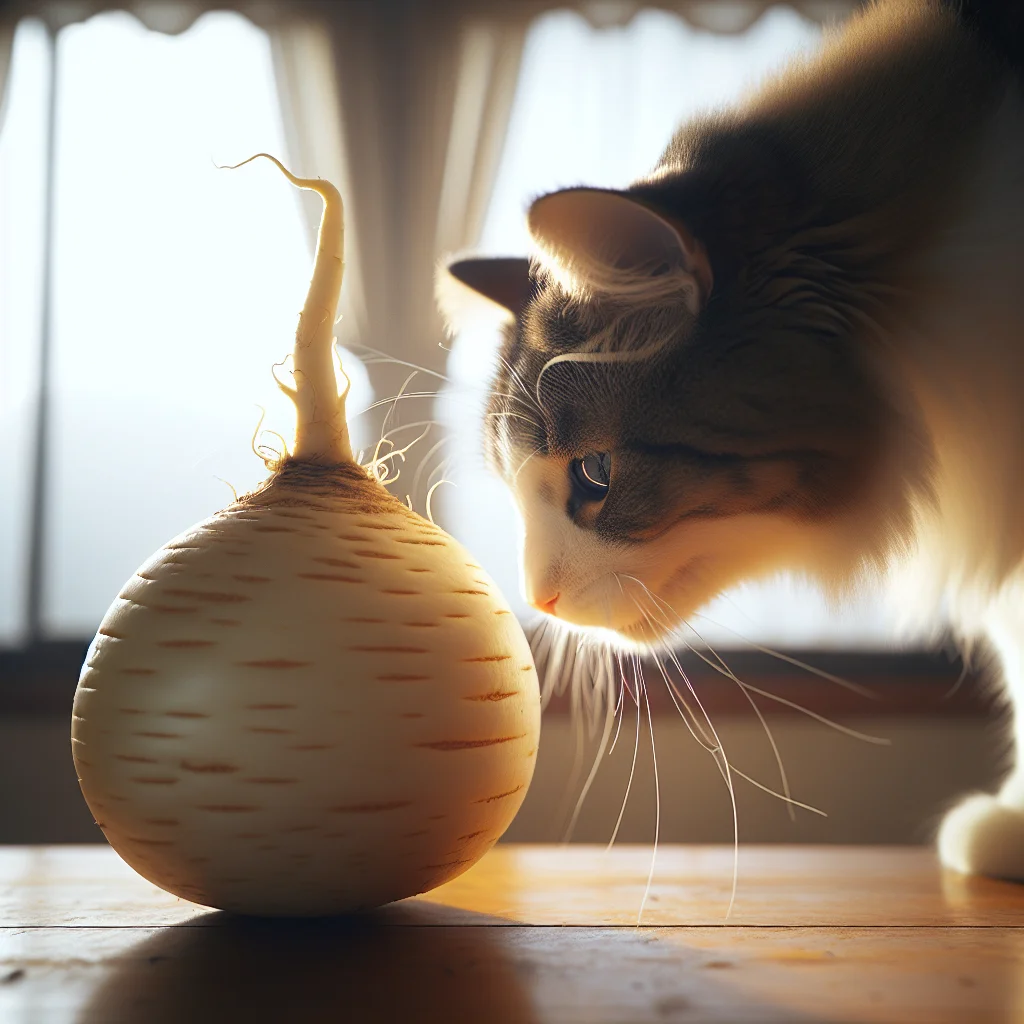
Daikon, known as a mild-flavored radish, is considered safe for cats in small quantities but with some caution. The fibrous nature of daikon can be difficult for cats to digest, potentially leading to gastrointestinal discomfort. While it doesn't contain any known toxins harmful to cats, the high fiber content might cause digestive issues in felines, who are obligate carnivores and have a limited ability to process plant materials.
Is Daikon Safe for Cats to Eat?
While daikon itself is not toxic to cats, its safety largely depends on the quantity consumed. Small, infrequent amounts are generally safe. However, cats that consume larger quantities may experience digestive upset. The fibrous composition of daikon can lead to issues such as gas, bloating, or even diarrhea. Given that cats have a very different digestive system from humans, it's crucial to monitor for any adverse reactions if your cat does ingest daikon. In general, if your cat shows no interest in daikon, it's best to avoid offering it as a treat.
What Are the Signs of Daikon-Induced Digestive Issues in Cats?
Should your cat consume daikon, watch for signs of digestive distress. Common symptoms include vomiting, diarrhea, and a noticeable decrease in appetite. Some cats may also exhibit lethargy or abdominal pain. If you notice persistent symptoms, it's essential to consult a veterinarian. While the symptoms might not be severe, they can lead to dehydration or other complications if left unaddressed. Keep a close eye on your cat's behavior, and ensure they have plenty of water to help flush out any indigestible fibers.
How Much Daikon Is Too Much for Cats?
Even a small amount of daikon can be too much for some cats, depending on their size, age, and overall health. As a rule of thumb, a small, pea-sized piece is the maximum amount you should offer. Cats with pre-existing digestive issues or sensitive stomachs should avoid daikon altogether. Always introduce any new food slowly and in tiny amounts to monitor your cat's reaction. Even if your cat tolerates daikon well, it's not advisable to make it a regular part of their diet.
Can Daikon Offer Any Nutritional Benefits to Cats?
While daikon is rich in vitamins and minerals such as vitamin C and potassium, these nutrients are not essential for cats, who derive their nutritional needs from a meat-based diet. The potential digestive risks outweigh any minimal nutritional benefits. Cats' bodies are not efficient at extracting nutrients from plant materials, and therefore, any health benefits would be negligible. Focus on providing a balanced diet specifically designed for cats to ensure they receive all necessary nutrients.
What Alternatives to Daikon Are Safe for Cats?
If you're looking to supplement your cat's diet with non-meat foods, consider safer options like small amounts of cooked pumpkin or peas. These alternatives are easier for cats to digest and can provide fiber without the risk of digestive issues. Always ensure any new food is introduced gradually and in moderation. Additionally, there are numerous commercial cat treats available that are specifically formulated to meet feline dietary needs, providing a safer and more nutritionally appropriate option than daikon.
Toxicity Levels
| Type | Amount | Risk |
|---|---|---|
| Raw Daikon | Small Piece | Low |
| Raw Daikon | Medium Piece | Medium |
| Raw Daikon | Large Piece | High |
| Cooked Daikon | Small Piece | Low |
| Cooked Daikon | Medium to Large Piece | Medium to High |
Symptoms to Watch For
- Vomiting
- Diarrhea
- Lethargy
- Decreased Appetite
- Abdominal Pain
Frequently Asked Questions
Can daikon cause diarrhea in cats?
Is cooked daikon safer for cats than raw?
What should I do if my cat eats a lot of daikon?
Are there any benefits to feeding daikon to cats?
Can I use daikon as a regular treat for my cat?