
If you suspect your pet has ingested this food, do not wait for symptoms. Contact your veterinarian immediately.
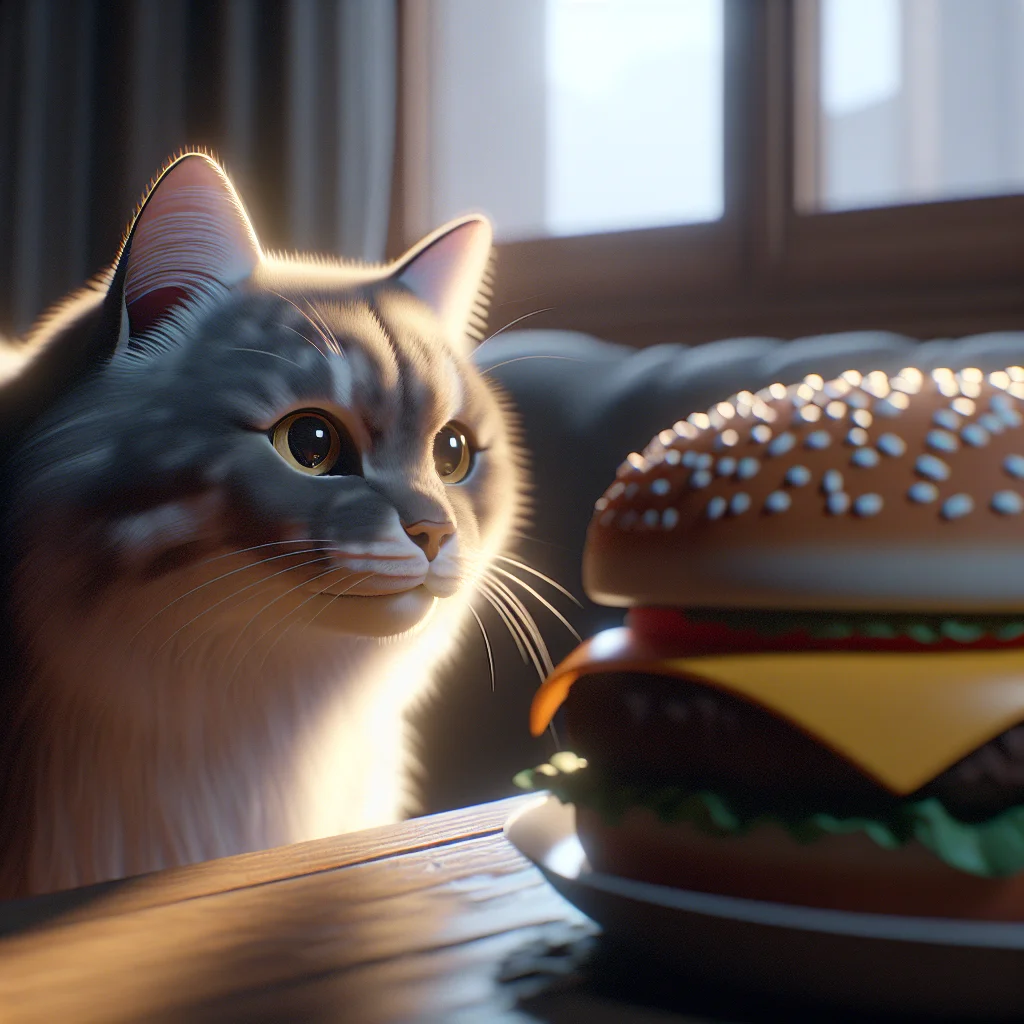
Cats should not eat cheeseburgers. While cheeseburgers are not inherently toxic to cats, they pose several health risks due to their ingredients and preparation. Cheeseburgers typically contain ground beef, cheese, and a bun, all of which can upset a cat's digestive system. Ground beef can be high in fat, which can lead to obesity and pancreatitis, while cheese contains lactose, which many cats cannot digest properly. Furthermore, onions and garlic, often used as seasoning, are toxic to cats and can cause hemolytic anemia. Understanding the potential dangers of cheeseburgers for cats can help prevent unnecessary health issues.
What makes a cheeseburger unsafe for cats?
The primary components of a cheeseburger — beef, cheese, and buns — can contribute to various health issues in cats. Firstly, beef, especially if seasoned, can contain onions and garlic, which are toxic to cats. These ingredients can lead to gastrointestinal upset and, in severe cases, damage red blood cells. Cheese, while non-toxic, contains lactose, which most adult cats cannot digest effectively, leading to diarrhea and abdominal pain. Lastly, the high carbohydrate content in buns can contribute to weight gain and diabetes in cats. The combination of these ingredients in a cheeseburger makes it an unsuitable choice for feline consumption.
Why is lactose in cheese problematic for cats?
Many cats are lactose intolerant, meaning they lack the enzyme lactase necessary to digest lactose, a sugar found in milk and dairy products like cheese. When cats consume cheese, the undigested lactose can ferment in their intestines, causing bloating, gas, diarrhea, and discomfort. While some cats may tolerate small amounts of cheese, it is generally advised to avoid feeding them dairy products to prevent gastrointestinal issues. If your cat shows signs of lactose intolerance after eating cheese, it’s best to eliminate dairy from their diet altogether.
Can the high-fat content in beef affect cats?
The high-fat content in beef, especially in cheeseburgers, can pose significant health risks to cats. Cats require a diet high in protein but low in fats. Excessive fat intake can lead to obesity, a condition that predisposes cats to various health issues, including diabetes and arthritis. Additionally, high-fat foods can cause pancreatitis, an inflammation of the pancreas that can be life-threatening if not addressed promptly. Regularly feeding cats fatty meats like those found in cheeseburgers can severely impact their health, making it crucial to monitor their diet closely.
How do onions and garlic in seasonings affect cats?
Onions and garlic are commonly used to season beef patties and can be highly toxic to cats. These ingredients contain compounds that can cause oxidative damage to a cat's red blood cells, leading to hemolytic anemia. Symptoms of onion or garlic poisoning include lethargy, vomiting, diarrhea, and pale gums. Even small amounts can be dangerous, so it is vital to ensure your cat does not consume any foods containing these seasonings. If you suspect your cat has ingested onions or garlic, seek veterinary assistance immediately.
What should you do if your cat accidentally eats a cheeseburger?
If your cat happens to eat a cheeseburger, monitor them closely for any adverse reactions such as vomiting, diarrhea, or lethargy. Provide them with plenty of fresh water and avoid giving them any more cheeseburger or similar foods. If symptoms persist, contact your veterinarian for further advice. It’s beneficial to keep human food out of reach from your pets to prevent accidental ingestion in the future.
Toxicity Levels
| Type | Amount | Risk |
|---|---|---|
| Beef | Small | Moderate |
| Cheese | Small | High |
| Onions | Any | High |
| Garlic | Any | High |
| Bun | Small | Low |
| Fat | High | High |
Symptoms to Watch For
- Vomiting
- Diarrhea
- Lethargy
- Pale Gums
- Abdominal Pain
Frequently Asked Questions
Is it safe for cats to eat beef?
Can cheese cause problems for cats?
What should I do if my cat shows symptoms of poisoning?
Are there any safe human foods for cats?
How can I prevent my cat from eating unsafe foods?