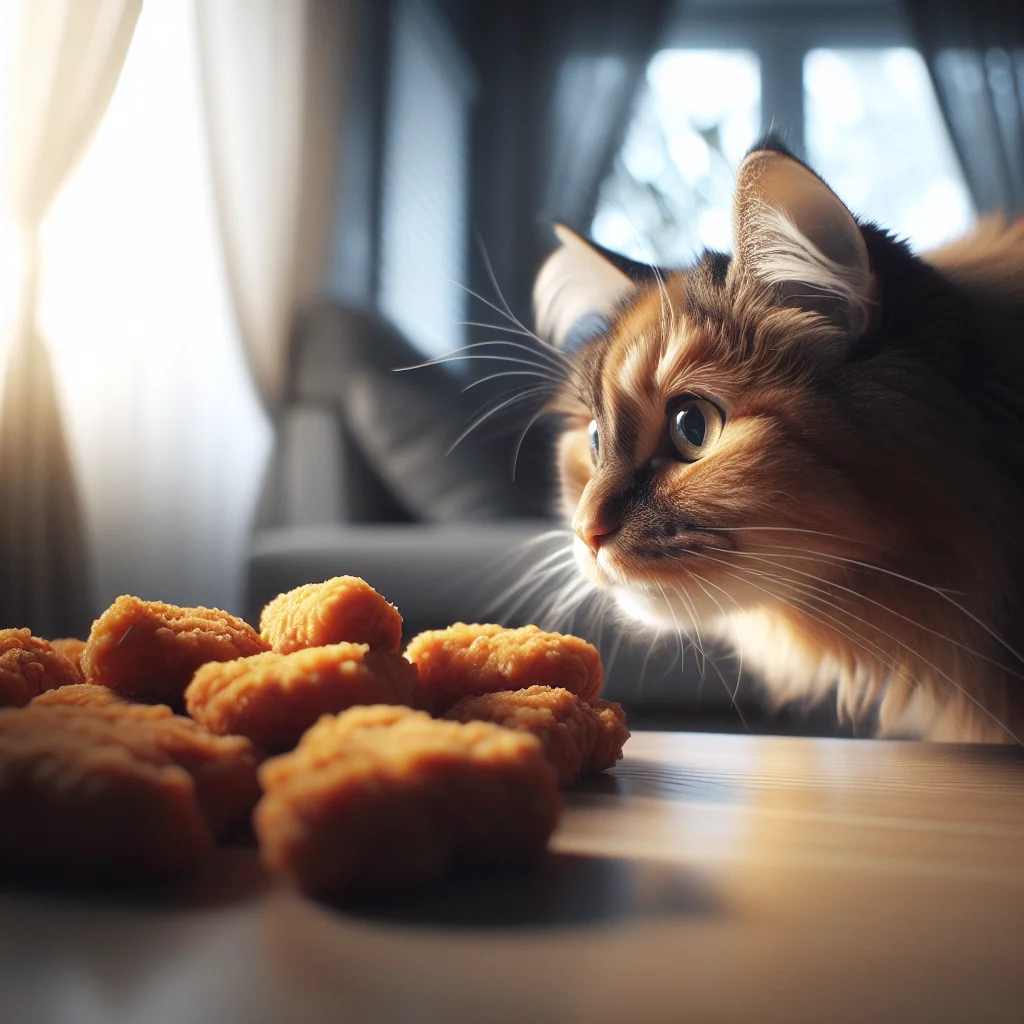
If you suspect your pet has ingested this food, do not wait for symptoms. Contact your veterinarian immediately.
Chicken nuggets are toxic to cats due to their high sodium content and unhealthy additives. These popular snacks, often laden with salt, preservatives, and other harmful ingredients, pose significant health risks to our feline friends. The excessive sodium can lead to hypernatremia, a condition characterized by an elevated level of sodium in the blood, which can cause severe dehydration and neurological issues in cats. Additionally, the ingredients used in chicken nuggets, such as spices and breading, are not suitable for a cat's digestive system and can cause gastrointestinal distress.
What happens if a cat eats chicken nuggets?
If a cat consumes chicken nuggets, it may experience a range of adverse effects. The high sodium content can lead to increased thirst and urination, as the cat's body attempts to rid itself of the excess salt. In severe cases, this can escalate to hypernatremia, causing symptoms like lethargy, confusion, and even seizures. The fats and oils used in frying the nuggets can cause pancreatitis, a painful inflammation of the pancreas. Additionally, the spices and preservatives can irritate the gastrointestinal tract, leading to vomiting and diarrhea.
Are there any safe alternatives to chicken nuggets for cats?
Instead of chicken nuggets, cats can enjoy plain, cooked chicken. Make sure it's unseasoned and free from bones or skin, as these can pose choking hazards or lead to intestinal blockages. Boiled or baked chicken breasts are excellent options, providing cats with the lean protein they need without the harmful additives found in processed foods. Additionally, commercially prepared cat treats that mimic the texture of chicken can satisfy your cat's craving for something chewy without compromising their health.
How can I tell if my cat is suffering from sodium toxicity?
Sodium toxicity in cats manifests through symptoms such as excessive thirst and urination, disorientation, tremors, and in severe cases, seizures. You might notice your cat acting restless or uncoordinated, with a noticeable change in behavior. It’s crucial to seek veterinary care immediately if you suspect sodium toxicity, as untreated hypernatremia can lead to severe complications, including neurological damage or death. Your vet might perform blood tests to confirm the diagnosis and initiate treatment, often involving fluid therapy to restore normal sodium levels.
What should I do if my cat accidentally eats chicken nuggets?
If your cat accidentally consumes chicken nuggets, monitor them closely for any signs of distress. Watch for symptoms of sodium toxicity or gastrointestinal upset, such as vomiting or diarrhea. If any of these symptoms occur, contact your veterinarian immediately. In some cases, inducing vomiting might be necessary, but this should only be done under veterinary guidance. Providing plenty of fresh water can help dilute the sodium, but professional intervention is crucial to ensure your cat's safety and health.
Why do cats like chicken nuggets?
Cats may be drawn to chicken nuggets due to their strong aroma and appealing taste. The fatty, salty nature of these snacks can be enticing, mimicking the taste of meat that cats naturally crave. However, the unhealthy ingredients and preparation methods make them unsuitable for feline consumption. It's essential to provide healthier alternatives that satisfy these cravings while maintaining a balanced diet.
Toxicity Levels
| Type | Amount | Risk |
|---|---|---|
| Sodium | High | Hypernatremia |
| Fat | Moderate | Pancreatitis |
| Preservatives | Various | Toxicity |
| Spices | Variable | Gastrointestinal upset |
| Bread crumbs | High | Obesity |
Symptoms to Watch For
- Vomiting
- Diarrhea
- Excessive drooling
- Disorientation
- Tremors or seizures
Frequently Asked Questions
Can chicken nuggets kill a cat?
How much chicken nugget is too much for a cat?
Can I give my cat homemade chicken nuggets?
Why does my cat seem to beg for chicken nuggets?
What human foods are safe for cats?