
If you suspect your pet has ingested this food, do not wait for symptoms. Contact your veterinarian immediately.
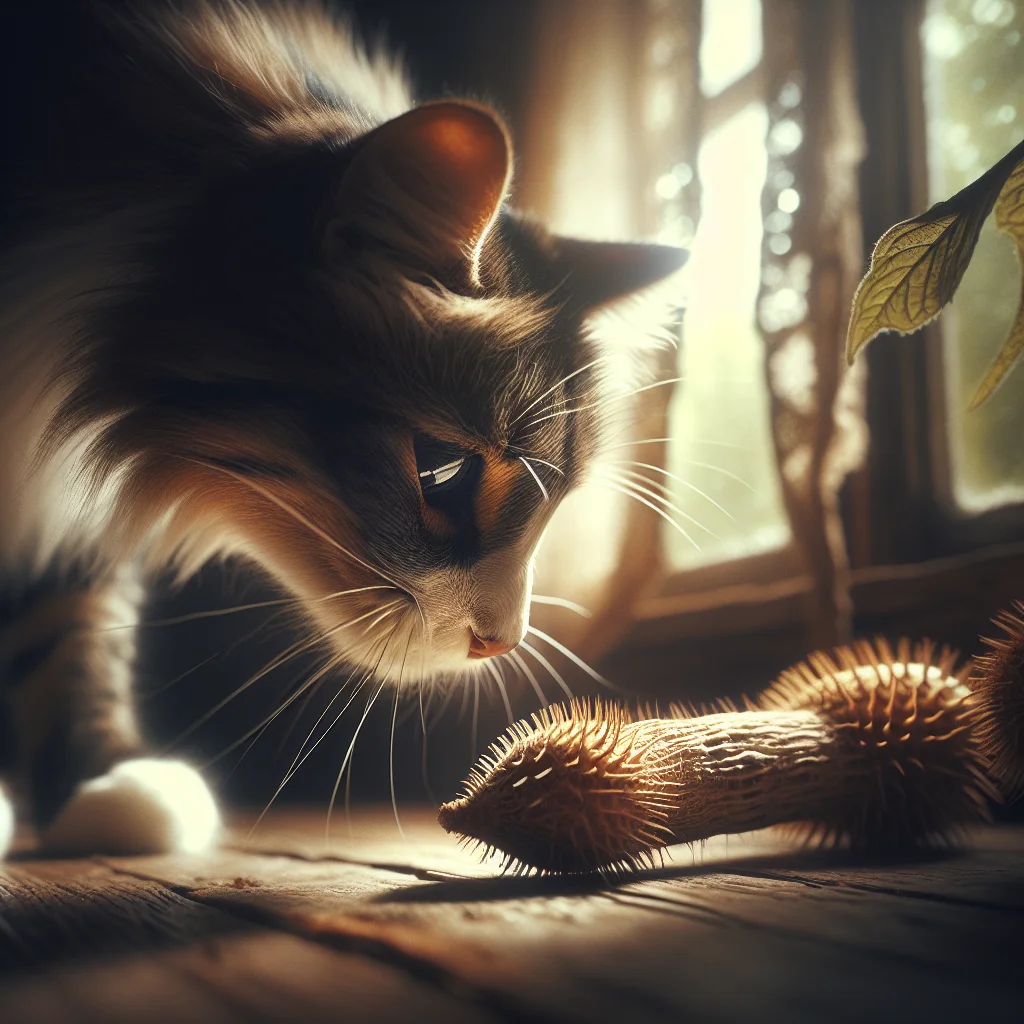
Burdock root is not inherently toxic to cats, but caution is advised when considering it as part of their diet. The root contains inulin, a type of fiber, which in large quantities can lead to digestive discomfort in felines. Cats' digestive systems are not as equipped to handle high-fiber intake, which can result in gastrointestinal upset.
What Are the Potential Risks of Burdock Root for Cats?
While burdock root is a popular herbal remedy for humans, it poses potential risks for cats. The primary concern is its high fiber content. Cats are obligate carnivores and their digestive systems are designed to process animal protein rather than plant matter. Consuming burdock root may lead to diarrhea or vomiting. Additionally, unwashed burdock may carry pesticides or contaminants that could be harmful. It's essential to monitor your cat closely if they accidentally ingest burdock root and consult with a veterinarian if any adverse symptoms appear.
How Can I Identify Digestive Issues in My Cat?
Monitoring your cat's behavior and health is crucial if they've ingested burdock root. Signs of digestive issues include lethargy, decreased appetite, vomiting, or diarrhea. Cats may also exhibit signs of discomfort such as frequent meowing, restlessness, or trying to hide. If you notice any of these symptoms, it is advisable to consult a veterinarian promptly. Early intervention can prevent more severe health issues from developing.
Are There Any Safe Amounts of Burdock Root for Cats?
While small amounts of burdock root might not cause immediate harm, it is generally not recommended to include it in your cat's diet. Cats thrive on a diet rich in animal proteins and fats, and their nutritional needs are not met by plant-based foods. If you're considering giving your cat burdock root as a supplement for specific health benefits, it's essential to discuss this with your vet. They can provide guidance tailored to your cat's individual health needs.
What Should I Do If My Cat Eats Burdock Root?
If your cat consumes burdock root, observe them closely for any signs of distress. If they exhibit symptoms such as vomiting, diarrhea, or unusual lethargy, contact your veterinarian immediately. Providing water and keeping your cat hydrated will help manage mild symptoms. Avoid inducing vomiting unless specifically directed by a vet, as this can sometimes cause more harm than good.
What Alternatives Exist for Herbal Supplements in Cats?
If you're interested in incorporating herbal supplements into your cat's diet, there are safer alternatives to burdock root. For instance, catnip and cat grass are generally well-tolerated by felines and can provide enrichment without the risk of digestive upset. Always consult with a veterinarian before introducing any new supplement to ensure it's appropriate for your cat's health and dietary needs.
Toxicity Levels
| Type | Amount | Risk |
|---|---|---|
| Small Amount | 1-2 pieces | Low |
| Moderate Amount | 3-5 pieces | Moderate |
| Large Amount | More than 5 pieces | High |
| Unwashed Root | Any | Contamination Risk |
| Regular Consumption | Any | Digestive Issues |
Symptoms to Watch For
- Vomiting
- Diarrhea
- Lethargy
- Loss of Appetite
- Restlessness
Frequently Asked Questions
Is burdock root toxic to cats?
Can cats eat any herbs safely?
What should I do if my cat eats a lot of burdock root?
Why do cats have different dietary needs than humans?
Are there benefits to burdock root for cats?