
If you suspect your pet has ingested this food, do not wait for symptoms. Contact your veterinarian immediately.
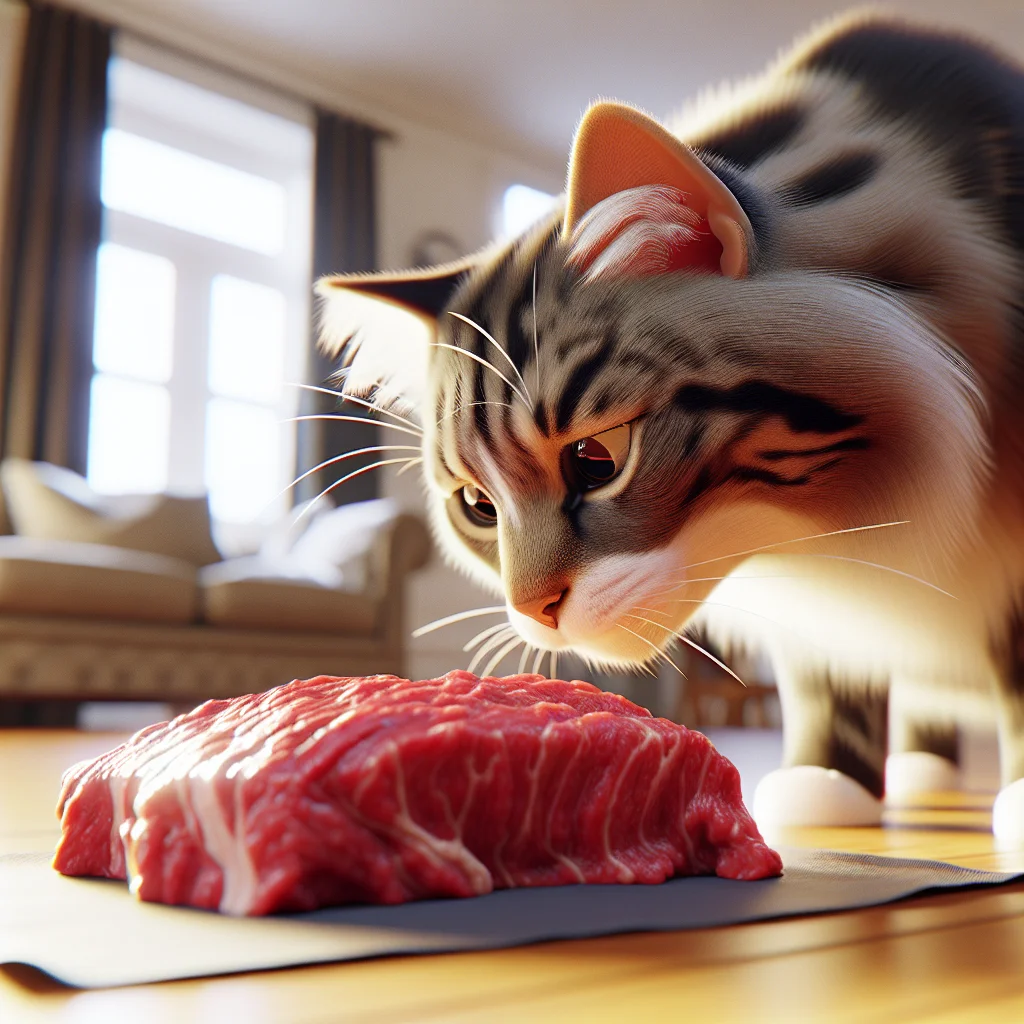
Safe: In moderation, beef can be a safe addition to a cat's diet, provided it is cooked properly and served without harmful additives. The main concern with feeding beef to cats lies in its preparation and the possibility of introducing harmful bacteria like Salmonella or E. coli, especially in raw form. Cats, being obligate carnivores, can benefit from the high protein content in beef, but care must be taken to avoid any seasoning or sauces that may contain toxic ingredients such as onion or garlic, which are harmful to cats.
What Are the Benefits of Beef for Cats?
Beef is a rich source of protein, which is essential for a cat's overall health. It supports muscle development, repair, and provides vital amino acids that cats cannot synthesize on their own. Additionally, beef contains crucial nutrients such as iron, zinc, and vitamin B12, which play significant roles in maintaining healthy blood and neurological functions. Offering beef can be a tasty and nutritious addition to their diet, but it should never replace a balanced cat food formulated specifically to meet feline dietary needs.
How Should Beef Be Prepared for Cats?
When preparing beef for your feline friend, it is crucial to ensure it is thoroughly cooked to eliminate any potential pathogens. Avoid using any seasonings or sauces, as these can contain ingredients toxic to cats. Serving beef in small, bite-sized pieces can prevent choking hazards. It should be introduced slowly into their diet to monitor any adverse reactions, ensuring that the meat is lean and free from excess fat, which can lead to pancreatitis in cats.
Can Cats Eat Raw Beef?
While some may advocate for a raw food diet for cats, it is essential to recognize the risks involved. Raw beef can harbor harmful bacteria such as Salmonella and E. coli, posing significant health risks to both cats and humans. If opting for a raw diet, it should be done under veterinary supervision, ensuring the meat is sourced from reputable suppliers and handled with strict hygiene practices to minimize contamination risks.
What Are the Potential Risks of Feeding Beef to Cats?
Feeding beef to cats does come with potential risks if not done correctly. The most significant risk is bacterial contamination from raw or improperly cooked meat. Additionally, beef prepared with onions, garlic, or other harmful additives can lead to toxicity, causing symptoms such as vomiting, diarrhea, or even more severe health issues like anemia. Monitoring portion sizes is also important, as too much beef can lead to obesity or digestive issues in cats.
How Much Beef Can a Cat Safely Eat?
Moderation is key when offering beef to your cat. It should be treated as an occasional treat rather than a staple of their diet. A small portion, equivalent to a few bites, once or twice a week is generally safe for most cats. Always observe your cat for any adverse reactions when introducing new foods, and consult with a veterinarian to tailor dietary plans specific to your cat's health needs.
Toxicity Levels
| Type | Amount | Risk |
|---|---|---|
| Raw Beef | Any | High |
| Cooked Beef | Small | Low |
| Seasoned Beef | Any | Moderate |
| Lean Beef | Moderate | Low |
| Fatty Beef | Large | High |
Symptoms to Watch For
- Vomiting
- Diarrhea
- Lethargy
- Anemia
- Allergic Reaction
Frequently Asked Questions
Is beef good for cats with allergies?
Can kittens eat beef?
What should I do if my cat accidentally eats seasoned beef?
Why is protein important in a cat's diet?
Can beef be part of a homemade cat food diet?