
If you suspect your pet has ingested this food, do not wait for symptoms. Contact your veterinarian immediately.
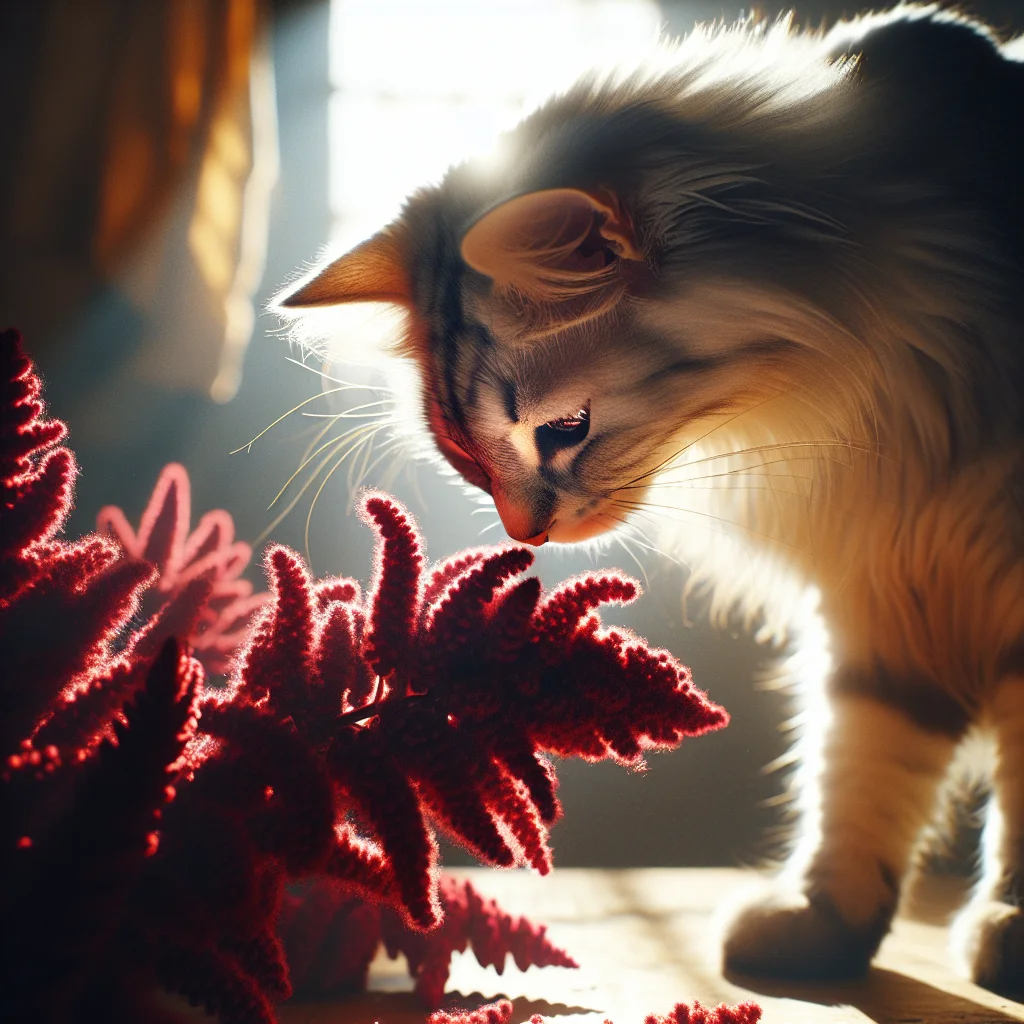
Amaranth is not outright toxic to cats, but it should be approached with caution. This ancient grain, known for its high protein content and nutritional benefits for humans, contains oxalates and other compounds that can pose digestive challenges for felines. Cats' digestive systems are not equipped to handle certain plant materials effectively, which can lead to gastrointestinal upset.
What Are the Risks of Feeding Amaranth to Cats?
Feeding amaranth to cats can lead to several risks primarily due to the presence of oxalates. These compounds can cause a decrease in calcium absorption and potentially lead to the formation of calcium oxalate crystals in the urinary tract. Although rare, these crystals can cause discomfort and lead to urinary blockages, a serious condition in cats. Additionally, the high fiber content in amaranth can result in gastrointestinal issues like diarrhea or constipation, as cats are obligate carnivores with a digestive tract designed for processing meat.
How Can Amaranth Affect a Cat's Digestion?
Amaranth's high fiber content poses a challenge to a cat's digestion. Cats naturally have a shorter digestive tract optimized for digesting proteins from animal sources, not complex carbohydrates or fibers found in plant matter like amaranth. When ingested, amaranth can ferment in the gut, causing bloating, gas, and discomfort. Moreover, the insoluble fibers can disrupt the gut's regular motility, leading to diarrhea or constipation.
What Are the Symptoms of Amaranth Ingestion in Cats?
If a cat ingests amaranth, watch for signs of gastrointestinal distress. Symptoms can include vomiting, diarrhea, lethargy, and a noticeable decrease in appetite. In severe cases, if oxalate crystals form, symptoms might include frequent urination, blood in the urine, or straining to urinate. Immediate veterinary consultation is recommended if any of these symptoms are observed.
Should Amaranth Be Part of a Cat's Diet?
While some pet owners might consider incorporating grains like amaranth into their cat's diet for its nutritional benefits, it is generally inadvisable. Cats require a high-protein, low-carbohydrate diet tailored to their carnivorous nature. If you're looking to diversify your cat's diet, consider specially formulated cat foods that ensure balanced nutrition without the potential risks that come with non-traditional ingredients like amaranth.
Are There Safer Alternatives to Amaranth for Cats?
If you're aiming to include plant-based nutrients in your cat's diet, consider safer alternatives. Cooked pumpkin or squash can provide fiber without the risks associated with amaranth. These alternatives are more digestible and offer a host of benefits, such as aiding digestion and maintaining a healthy weight. Always ensure any new food is introduced gradually and consult with a veterinarian to tailor a diet that meets your cat's unique needs.
Toxicity Levels
| Type | Amount | Risk |
|---|---|---|
| Oxalates | Moderate | Urinary Issues |
| Fiber | High | Digestive Upset |
| Proteins | Low | Nutritional Imbalance |
| Carbohydrates | High | Weight Gain |
| Antinutrients | Variable | Nutrient Absorption |
Symptoms to Watch For
- Vomiting
- Diarrhea
- Lethargy
- Loss of Appetite
- Urinary Distress
Frequently Asked Questions
Can amaranth cause urinary problems in cats?
Is amaranth beneficial for cats in any way?
How should I respond if my cat eats amaranth?
Are there any benefits of feeding grains to cats?
Can small amounts of amaranth be safe for cats?