
If you suspect your pet has ingested this food, do not wait for symptoms. Contact your veterinarian immediately.
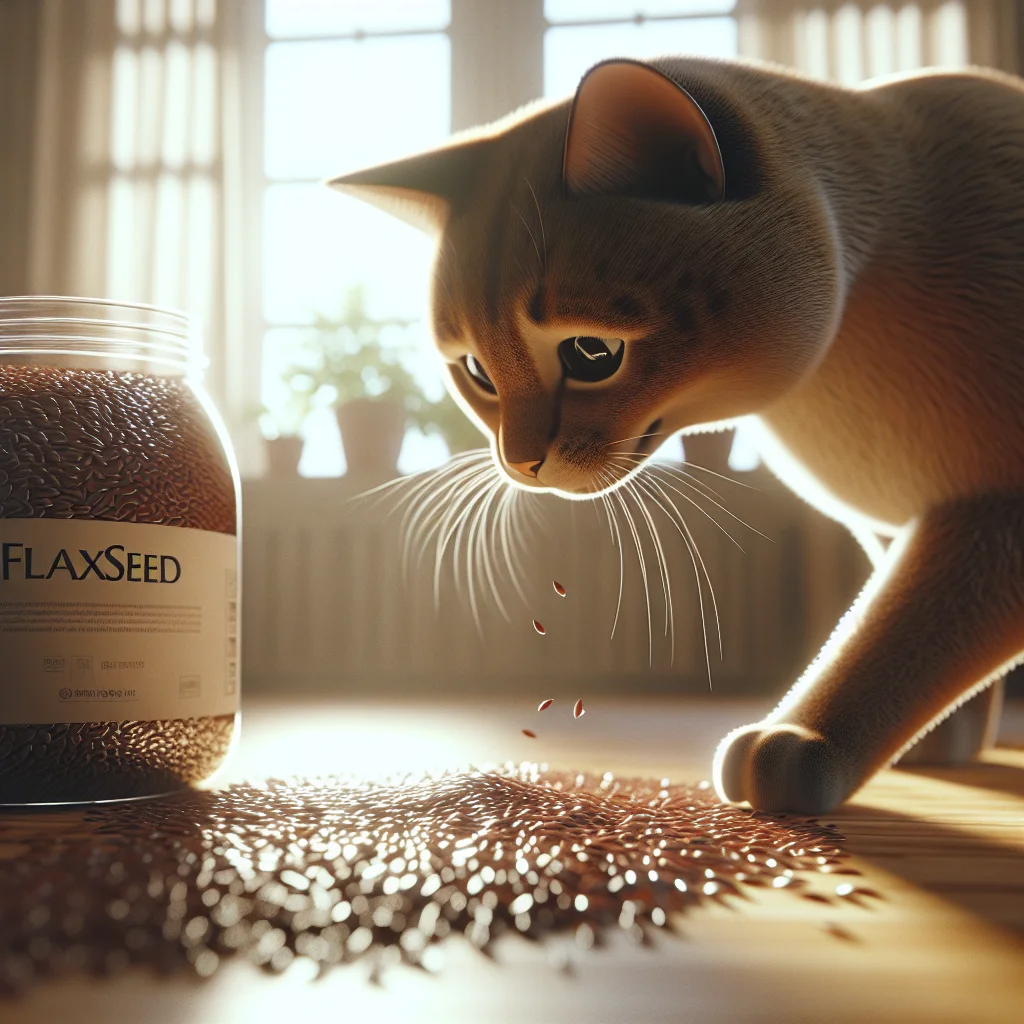
Flaxseed is considered safe for cats in small amounts, but it warrants caution due to the presence of cyanogenic glycosides, which can release cyanide in the body. This compound, in excessive amounts, can lead to toxicity and health issues in cats. It’s crucial to understand how to safely introduce flaxseed into your feline friend's diet and what symptoms to watch out for if things go awry.
What are the Benefits of Flaxseed for Cats?
Flaxseed is well-known for its omega-3 fatty acids, which can be beneficial for a cat's coat and skin. These fatty acids are essential in reducing inflammation and improving overall skin health. Additionally, flaxseed offers a rich source of dietary fiber, potentially aiding in digestion and preventing constipation in cats. However, due to its potential risk, it must be given in moderation and under veterinary guidance.
How Much Flaxseed is Safe for Cats?
When it comes to incorporating flaxseed into your cat’s diet, moderation is key. A small sprinkle, roughly a quarter teaspoon, mixed into their food a few times a week is generally considered safe. Always introduce it gradually to observe any adverse reactions. Consulting with a veterinarian before adding flaxseed to your cat’s diet is highly recommended to tailor the amount to your specific pet’s needs.
What Are the Symptoms of Flaxseed Toxicity in Cats?
Symptoms of flaxseed toxicity can vary, but common signs include vomiting, diarrhea, lethargy, and difficulty breathing. In severe cases, cyanide poisoning could lead to seizures or even coma. If you notice any of these symptoms after your cat consumes flaxseed, it’s imperative to consult a veterinarian immediately. Early intervention can significantly mitigate risks and ensure your cat’s safety.
Can Flaxseed Oil Be a Safer Alternative for Cats?
Flaxseed oil is often considered a safer alternative to whole flaxseeds because it does not contain the cyanogenic glycosides found in the seeds. It can still provide the omega-3 fatty acids beneficial for your cat’s health. However, like flaxseeds, flaxseed oil should be introduced carefully and in small amounts. Regular veterinary check-ups will help monitor your cat’s health and adjust dosages as needed.
Are There Any Long-Term Effects of Flaxseed in Cats?
If administered properly and in small amounts, flaxseed does not generally have long-term negative effects in cats. However, excessive intake over time could potentially lead to chronic digestive issues or other health concerns. Continuous monitoring and periodic consultation with your veterinarian will help mitigate these risks and ensure your cat enjoys the benefits of flaxseed without the downsides.
Toxicity Levels
| Type | Amount | Risk |
|---|---|---|
| Whole Flaxseed | Over 1 teaspoon | High |
| Flaxseed Oil | Over 1 teaspoon | Moderate |
| Ground Flaxseed | Over 1 teaspoon | Moderate |
| Mixed in food | Under 1/4 teaspoon | Low |
| As a treat | Occasionally | Low |
Symptoms to Watch For
- Vomiting
- Diarrhea
- Lethargy
- Difficulty Breathing
- Seizures
Frequently Asked Questions
Can flaxseed improve my cat's coat?
Should I consult a vet before giving flaxseed to my cat?
What should I do if my cat shows signs of flaxseed toxicity?
Is flaxseed oil safer than whole flaxseed for cats?
Can flaxseed cause allergies in cats?