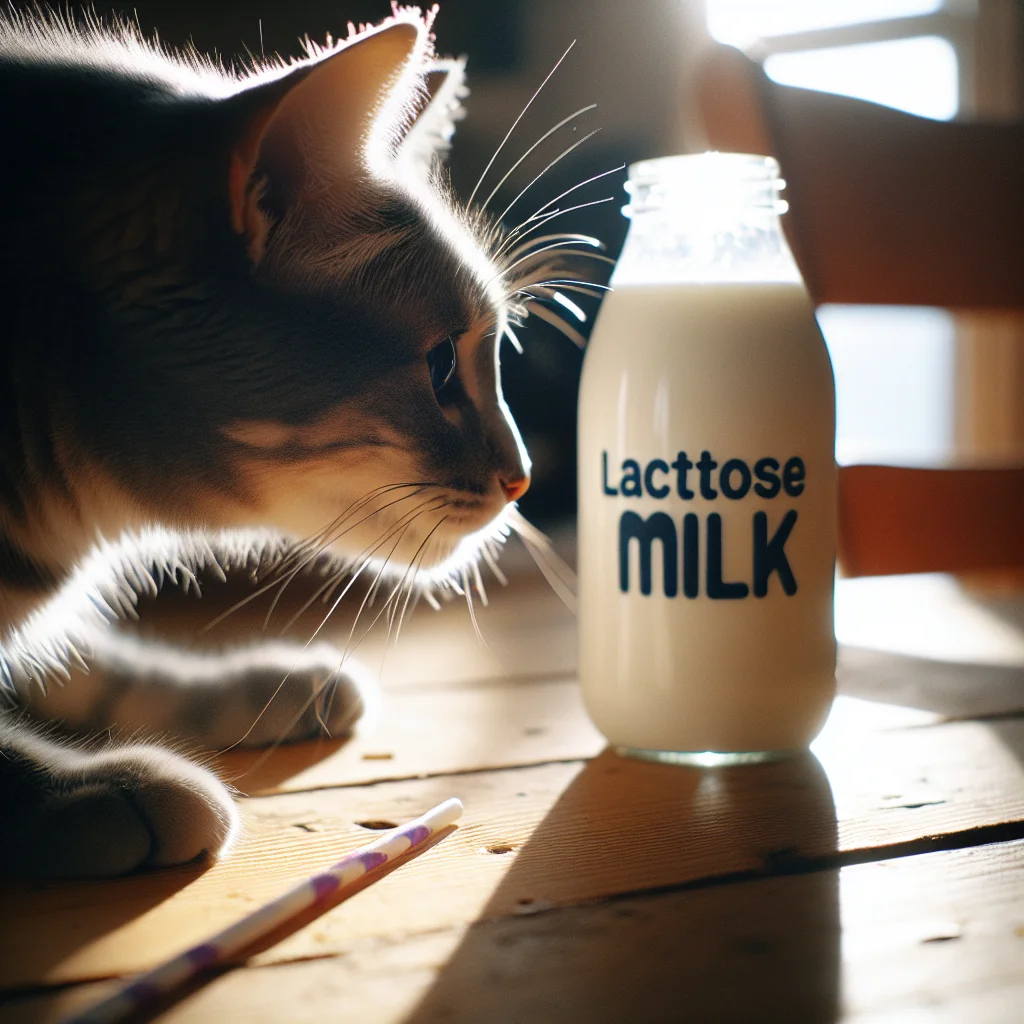
Safe verdict: Lactose-free milk is generally safe for cats. Unlike regular milk, which contains lactose—a sugar that many cats cannot digest due to a lack of the enzyme lactase—lactose-free milk has had this sugar broken down. This means that cats prone to digestive issues with regular milk can enjoy lactose-free milk without adverse effects. However, moderation is key as excessive consumption can still cause discomfort.
Why can't cats digest regular milk?
Many adult cats lack the enzyme lactase, which is necessary to break down lactose, the sugar present in milk. Kittens produce lactase during their nursing period, but as they grow, the production of this enzyme significantly decreases. This leads to lactose intolerance, where undigested lactose ferments in the gut, causing discomfort, diarrhea, and gas. Hence, regular milk can lead to gastrointestinal disturbances in adult cats.
What makes lactose-free milk different?
Lactose-free milk undergoes a special process where lactase is added to break down lactose into simpler sugars that are easier to digest. This makes it a more suitable option for lactose-intolerant cats. However, it is still important to ensure that the milk doesn't contain added sugars or artificial flavors, which could be harmful to your feline friend. Always choose plain, unsweetened varieties.
How much lactose-free milk can a cat safely consume?
Even though lactose-free milk is safer, it should be given sparingly. A few tablespoons as a treat occasionally is sufficient. Regular consumption of any type of milk isn't necessary for a cat's diet, which should primarily consist of quality cat food. Overindulgence can lead to unnecessary calorie intake and potential weight gain.
Are there any benefits to giving cats lactose-free milk?
While lactose-free milk can be a safe treat, it doesn't offer significant nutritional benefits over a balanced cat diet. It can provide hydration and serve as a tempting treat or reward. However, ensure it complements their dietary needs without replacing essential nutrients found in their regular food.
What alternatives exist to lactose-free milk for cats?
If you're considering variety in your cat's diet, opt for water, which is the best hydration source. You can also consider specialized cat milk products available in pet stores, designed to be digestible and nutritionally appropriate for felines. Always consult with a veterinarian before introducing any new foods or treats to your cat's diet.
Toxicity Levels
| Type | Amount | Risk |
|---|---|---|
| Lactose-Free Milk | 1 tablespoon | Low |
| Lactose-Free Milk | 2-3 tablespoons | Moderate |
| Lactose-Free Milk | 1/4 cup | Moderate-High |
| Lactose-Free Milk | 1/2 cup | High |
| Lactose-Free Milk | 1 cup | Very High |
Symptoms to Watch For
- Vomiting
- Diarrhea
- Bloating
- Gas
- Lethargy
Frequently Asked Questions
Can kittens drink lactose-free milk?
Is lactose-free milk better than regular milk for cats?
Can lactose-free milk cause allergies in cats?
How often can I give my cat lactose-free milk?
What should I do if my cat shows signs of discomfort after drinking lactose-free milk?