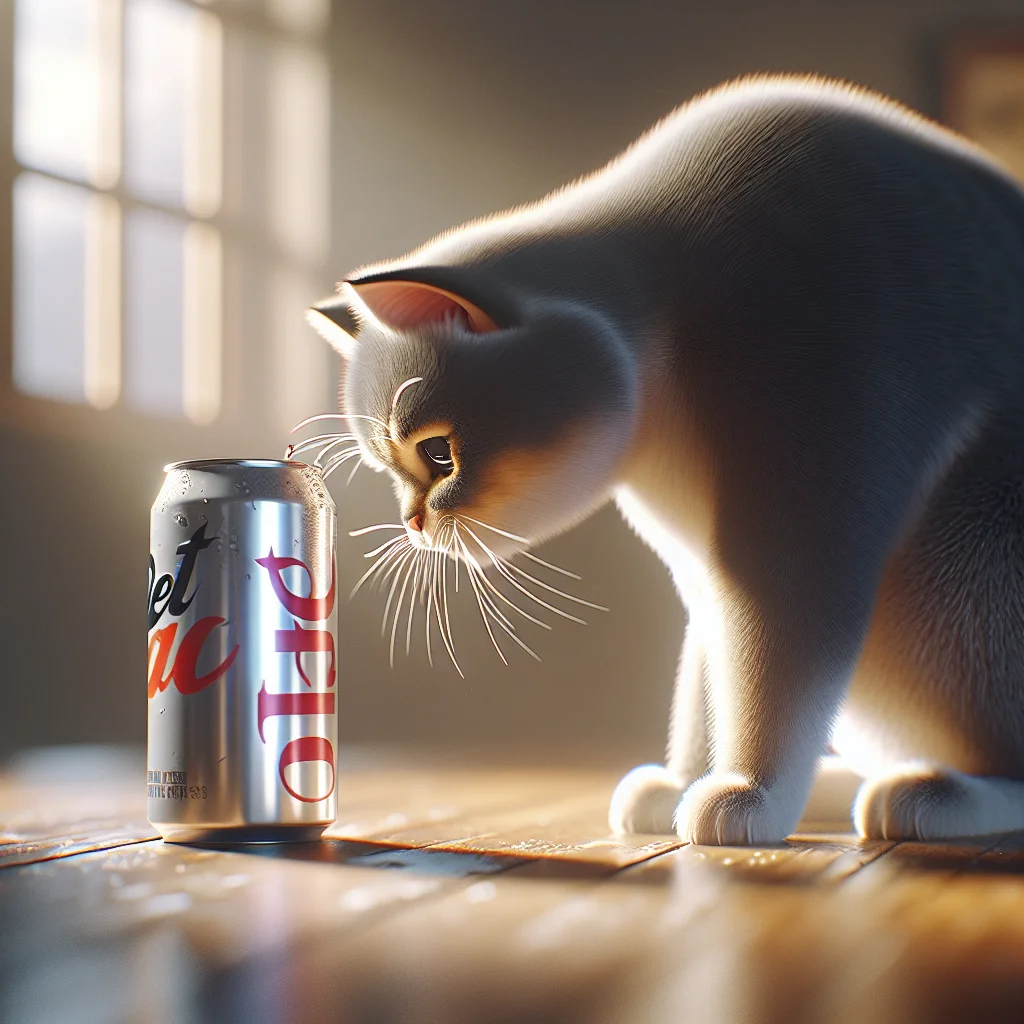
If you suspect your pet has ingested this food, do not wait for symptoms. Contact your veterinarian immediately.
Toxic. Diet soda is not something you want to share with your feline friend. The artificial sweeteners, particularly xylitol, found in many diet sodas can be highly toxic to cats. Additionally, caffeine, another common ingredient in soda, poses further risks by affecting a cat's central nervous system. These substances can lead to severe health problems, making diet soda a no-go for your furry companion.
What are the symptoms of diet soda poisoning in cats?
If your cat has ingested diet soda, you may notice symptoms like vomiting, lethargy, and a loss of coordination. Xylitol can cause a rapid insulin release, leading to hypoglycemia (low blood sugar), which might manifest as weakness or seizures. Caffeine can increase heart rate and induce restlessness or hyperactivity. In severe cases, these symptoms can progress to tremors or even coma. Immediate veterinary attention is crucial if you suspect your cat has consumed diet soda.
Why is xylitol dangerous for cats?
Xylitol is a sugar substitute that is particularly harmful to cats. While it is commonly used in various sugar-free products, its ingestion can lead to a rapid release of insulin in cats, causing hypoglycemia. This dangerous drop in blood sugar can result in severe health issues, including seizures, liver failure, or even death. Unlike humans, cats cannot metabolize xylitol effectively, making even small amounts potentially lethal.
How does caffeine affect a cat's health?
Caffeine is a stimulant that can have severe consequences for cats. It affects the central nervous system and can lead to symptoms such as increased heart rate, restlessness, and tremors. Cats are much more sensitive to caffeine than humans, and even small amounts can cause significant harm. If a cat ingests caffeine, it can result in hyperactivity, panting, and in severe cases, cardiac arrhythmias or seizures.
Can cats recover from diet soda poisoning?
Recovery from diet soda poisoning in cats depends on the amount ingested and the timeliness of medical intervention. If caught early, and the cat receives prompt veterinary treatment, the prognosis can be favorable. Treatment typically involves inducing vomiting, administering activated charcoal to absorb toxins, and providing supportive care such as IV fluids. However, if treatment is delayed, the risk of severe complications increases, potentially leading to long-term health issues or death.
What should you do if your cat drinks diet soda?
If you suspect your cat has ingested diet soda, seek veterinary care immediately. Time is of the essence when dealing with potential xylitol or caffeine poisoning. Do not wait for symptoms to appear; early intervention can be life-saving. Provide your veterinarian with information about the type and amount of soda consumed to assist in determining the best course of treatment.
Toxicity Levels
| Type | Amount | Risk |
|---|---|---|
| Xylitol | Any | High |
| Caffeine | Small | Moderate |
| Aspartame | Large | Low |
| Sodium Benzoate | Moderate | Moderate |
| Phosphoric Acid | Moderate | Moderate |
| Carmine | Large | Low |
Symptoms to Watch For
- Vomiting
- Lethargy
- Seizures
- Tremors
- Coma
Frequently Asked Questions
Is any soda safe for cats?
Can diet soda cause long-term damage to cats?
How quickly do symptoms appear in cats after ingesting diet soda?
What artificial sweeteners are harmful to cats?
Are there any safe alternatives to diet soda for cats?