
If you suspect your pet has ingested this food, do not wait for symptoms. Contact your veterinarian immediately.
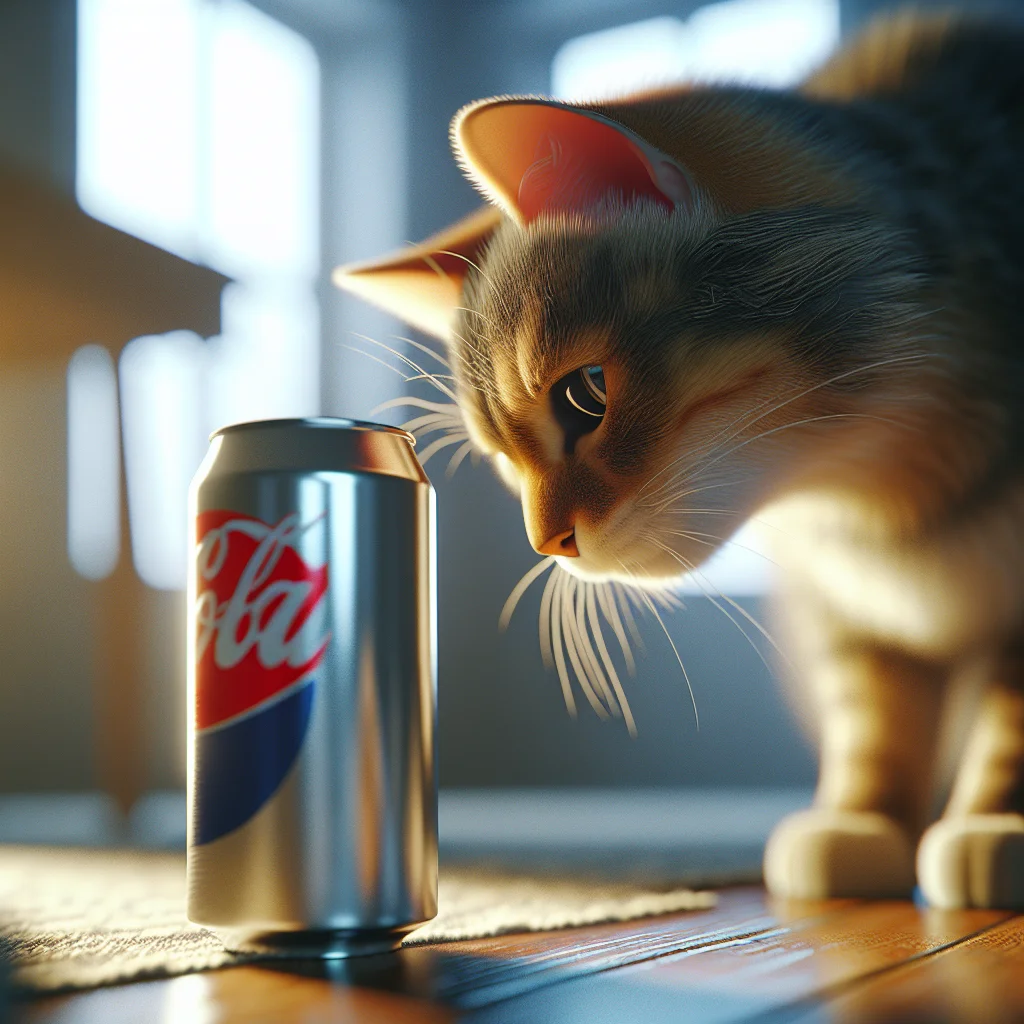
Toxic. That is the immediate verdict when it comes to cats and cola. The primary culprits behind this toxicity are caffeine and theobromine, both of which are stimulants that cats cannot metabolize effectively. These compounds can lead to serious health issues, ranging from mild discomfort to life-threatening conditions.
Why is cola dangerous for cats?
Cola contains caffeine, a potent central nervous system stimulant that can lead to hyperactivity, increased heart rate, and potentially seizures in cats. Theobromine, another compound in cola, shares similar toxic properties. Cats lack the liver enzymes necessary to process these substances, making even a small amount hazardous. Furthermore, the high sugar content in cola can lead to obesity and diabetes over time. Even the artificial sweeteners in diet versions aren't safe, with some being downright poisonous to felines.
What are the symptoms of cola poisoning in cats?
When a cat ingests cola, symptoms may appear rapidly. Common signs include restlessness, rapid breathing, increased heart rate, and vomiting. In severe cases, cats may experience tremors, seizures, and even collapse. If you suspect your cat has consumed cola, immediate veterinary intervention is crucial. The vet may induce vomiting or use activated charcoal to prevent further absorption of toxins, followed by supportive care.
How much cola is harmful to cats?
Even a small amount of cola can be harmful to cats due to their smaller size and lack of metabolic pathways to process caffeine and theobromine. As little as one teaspoon can cause noticeable symptoms in some cats. Therefore, it's essential to ensure cola and other caffeinated beverages are out of reach. Regularly cleaning up spills and securing drinks can help prevent accidental ingestion.
What should you do if your cat drinks cola?
If you discover that your cat has ingested cola, immediate action is crucial. First, try to determine how much they consumed. Contact your veterinarian or an emergency animal clinic right away. Do not attempt to induce vomiting unless advised by a professional. Providing as much information as possible about the incident will help the vet decide the best course of treatment.
Are there safe alternatives to cola for cats?
While cola is off the table, plenty of safe alternatives exist for cats. Fresh water remains the best hydration source. For a special treat, consider offering cat-safe broths or specifically formulated cat beverages available at pet stores. These options provide hydration without risking toxicity, ensuring your feline friend stays healthy and happy.
Toxicity Levels
| Type | Amount | Risk |
|---|---|---|
| Caffeine | Small | High |
| Theobromine | Trace | Moderate |
| Sugar | High | Long-term |
| Artificial Sweeteners | Variable | High |
| Carbonation | Standard | Low |
Symptoms to Watch For
- Vomiting
- Increased Heart Rate
- Tremors
- Restlessness
- Seizures
Frequently Asked Questions
Can a small amount of cola harm my cat?
What should I watch for if my cat drinks cola?
How quickly do symptoms appear after a cat drinks cola?
Why can't cats metabolize caffeine?
Is diet cola safer for cats?