
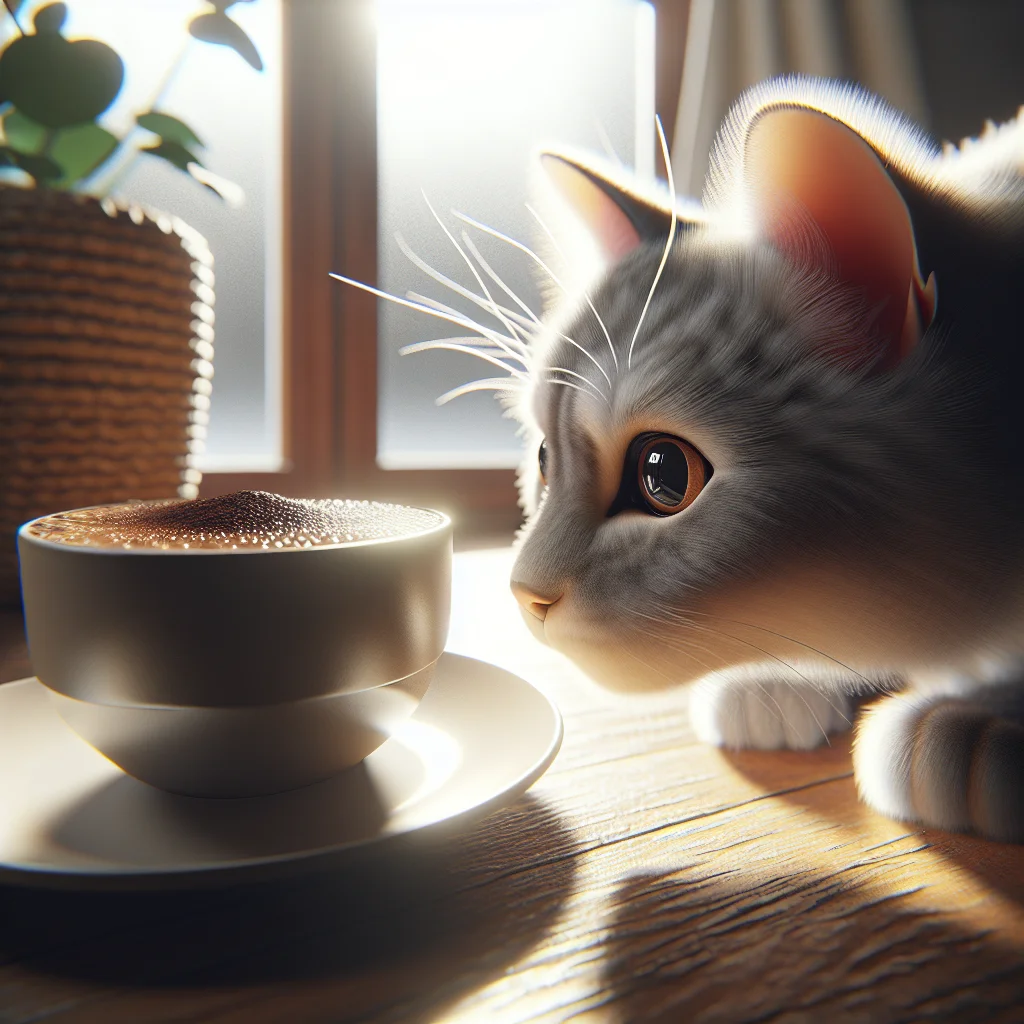
If you suspect your pet has ingested this food, do not wait for symptoms. Contact your veterinarian immediately.
Coffee is toxic to cats. This verdict is rooted in the presence of caffeine, a natural stimulant found in coffee. Caffeine affects the central nervous system and heart of cats, leading to potentially severe health issues. Cats lack the metabolic capability to process caffeine efficiently, which heightens its toxic impact. Now, let's delve into some common questions about coffee and its effects on our feline companions.
What Happens If a Cat Drinks Coffee?
When a cat consumes coffee, the caffeine in it rapidly enters their bloodstream. This leads to a range of symptoms due to the stimulation of their central nervous system. Cats may exhibit restlessness, increased heart rate, and elevated blood pressure. The severity of these symptoms depends on the quantity of coffee ingested. Even a small amount can be dangerous due to a cat’s low tolerance for caffeine. Immediate veterinary attention is essential to manage symptoms and prevent further complications. Activated charcoal may be administered to absorb remaining caffeine in the stomach.
How Much Coffee is Harmful to Cats?
Even a small sip of coffee can be harmful to cats. A tiny amount of caffeine can lead to toxic symptoms due to their small size and sensitivity. Typically, ingestion of more than 9 mg of caffeine per pound of body weight is considered toxic in cats. Given that even a single coffee bean contains about 6 mg of caffeine, it doesn’t take much to reach the toxic threshold. If you suspect your cat has ingested coffee, it’s crucial to monitor for symptoms and contact a veterinarian immediately.
What Are the Symptoms of Coffee Poisoning in Cats?
Symptoms of coffee poisoning in cats can manifest quickly. Common signs include vomiting, diarrhea, hyperactivity, and increased heart rate. In more severe cases, cats may experience muscle tremors, seizures, and even collapse. Monitoring your cat closely after accidental ingestion is vital. If any of these symptoms appear, it is crucial to seek veterinary care promptly. Early intervention can significantly improve the prognosis and prevent further health complications.
Can Cats Recover from Coffee Toxicity?
With timely and appropriate veterinary care, cats can recover from coffee toxicity. Treatment often involves decontamination, such as inducing vomiting or administering activated charcoal. Supportive care, including intravenous fluids and medications to control symptoms, is also essential. The recovery process largely depends on how quickly treatment is initiated after ingestion and the amount of coffee consumed. Continuous monitoring by a veterinarian is necessary to ensure complete recovery without lingering health issues.
How Can I Prevent My Cat from Ingesting Coffee?
Prevention is always better than cure. To protect your cat from the dangers of coffee, ensure that all coffee products are kept out of reach. Store coffee beans, grounds, and brewed coffee in secure containers. Be mindful of where you place your coffee cup, especially if your cat is curious or prone to exploring countertops. Educating all household members about the risks associated with coffee can also help prevent accidental ingestion. Creating a safe environment is key to ensuring your cat’s health and wellbeing.
Toxicity Levels
| Type | Amount | Risk |
|---|---|---|
| Coffee Beans | One bean | Moderate to High |
| Brewed Coffee | One sip | Moderate |
| Espresso | Half a shot | High |
| Decaf Coffee | One sip | Low to Moderate |
| Coffee Grounds | Small pinch | High |
Symptoms to Watch For
- Vomiting
- Diarrhea
- Hyperactivity
- Increased Heart Rate
- Seizures
Frequently Asked Questions
Can a small amount of coffee kill a cat?
How soon do symptoms appear after a cat drinks coffee?
Is decaffeinated coffee safe for cats?
What should I do if my cat accidentally drinks coffee?
Can coffee grounds harm cats?