If you suspect your pet has ingested this food, do not wait for symptoms. Contact your veterinarian immediately.
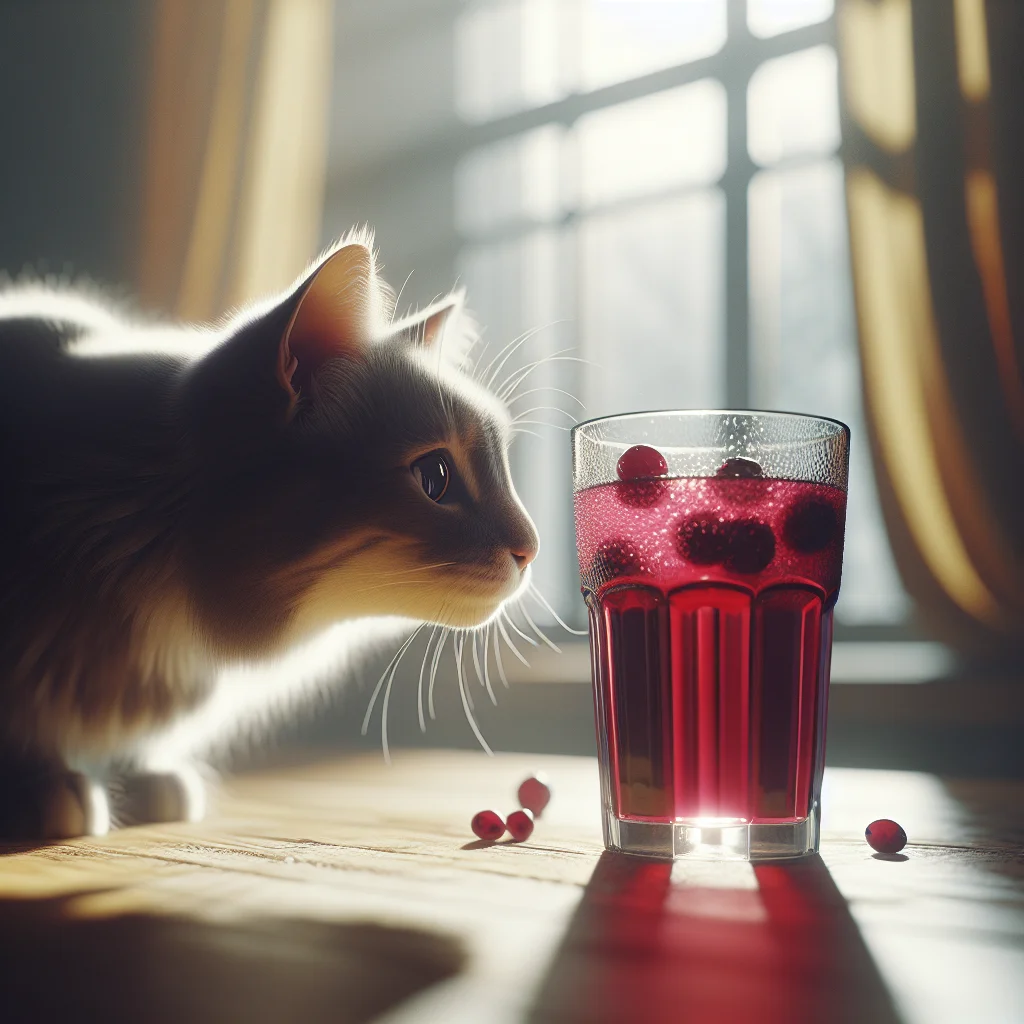
Cranberry juice is not outright toxic to cats, but it warrants caution. The presence of benzoic acid in cranberries, a natural preservative, can be harmful to cats in large quantities. Cats metabolize benzoic acid much slower than humans, making it potentially dangerous if ingested in excess. While small amounts may not cause immediate harm, regular consumption could lead to health issues.
Can Cats Benefit from Cranberry Juice?
Cranberry juice is often praised for its potential health benefits in preventing urinary tract infections (UTIs) in humans. However, when it comes to cats, the benefits are not as clear-cut. Cats have different urinary systems, and while cranberries contain compounds called proanthocyanidins that could theoretically prevent bacterial adhesion in the bladder, there is limited scientific evidence supporting their effectiveness in cats. Moreover, many commercial cranberry juices contain added sugars and artificial flavors that are unsuitable for feline consumption. If you're considering using cranberry juice for its potential UTI benefits, it's best to consult a veterinarian for a safer, feline-specific alternative.
What Are the Risks of Giving Cats Cranberry Juice?
Feeding cats cranberry juice poses several risks, primarily due to its sugar content and potential benzoic acid toxicity. Cats are obligate carnivores, meaning their digestive systems are not equipped to process sugars efficiently. Excessive sugar intake can lead to obesity, diabetes, and dental issues. Moreover, benzoic acid, while naturally occurring in cranberries, can accumulate in a cat's system, potentially leading to toxicity. Symptoms of benzoic acid toxicity include vomiting, lethargy, and decreased appetite. To avoid these risks, any cranberry juice given to cats should be pure, unsweetened, and in very small quantities.
How Much Cranberry Juice Is Safe for Cats?
When it comes to cranberry juice, moderation is key. A small teaspoon of pure, unsweetened cranberry juice, given occasionally, is unlikely to harm your cat. However, this should not become a regular part of their diet. Always check the label for added sugars and preservatives, and avoid any products that contain artificial sweeteners like xylitol, which is highly toxic to cats. Before introducing any new food or drink into your cat's diet, it's advisable to seek guidance from a vet, especially if your cat has underlying health conditions.
What Are the Symptoms of Cranberry Juice Toxicity in Cats?
The symptoms of cranberry juice toxicity in cats can vary depending on the amount consumed and the individual's sensitivity. Common signs include vomiting, diarrhea, lethargy, and a decrease in appetite. In severe cases, neurological symptoms such as tremors or seizures may occur. If you suspect your cat has ingested a harmful amount of cranberry juice, observe them closely for any changes in behavior or physical condition. Immediate veterinary attention is crucial if any concerning symptoms appear. Early intervention can prevent more serious health issues from developing.
Are There Alternatives to Cranberry Juice for Cats?
If you're seeking a safe way to promote your cat's urinary health, there are alternatives to cranberry juice that may be more suitable. Specially formulated cat foods or supplements designed to support urinary health are available and often recommended by veterinarians. These products typically contain ingredients that help maintain a healthy urinary tract without the risks associated with cranberry juice. Additionally, ensuring your cat has access to plenty of fresh water and a balanced diet is key to preventing urinary issues. Always consult with a vet before introducing any new supplements to your cat's routine.
Toxicity Levels
| Type | Amount | Risk |
|---|---|---|
| Pure Cranberry Juice | 1 teaspoon | Low |
| Commercial Juice with Sugar | Any | High |
| Juice with Artificial Sweeteners | Any | Very High |
| Daily Consumption | Any | Moderate to High |
| Benzoic Acid Exposure | Excessive | High |
Symptoms to Watch For
- Vomiting
- Diarrhea
- Lethargy
- Decreased Appetite
- Tremors
Frequently Asked Questions
Is cranberry juice harmful to cats?
Can cranberry juice prevent UTIs in cats?
What should I do if my cat drinks cranberry juice?
Are there safe alternatives to cranberry juice for cats?
Why is benzoic acid a concern for cats?