
If you suspect your pet has ingested this food, do not wait for symptoms. Contact your veterinarian immediately.
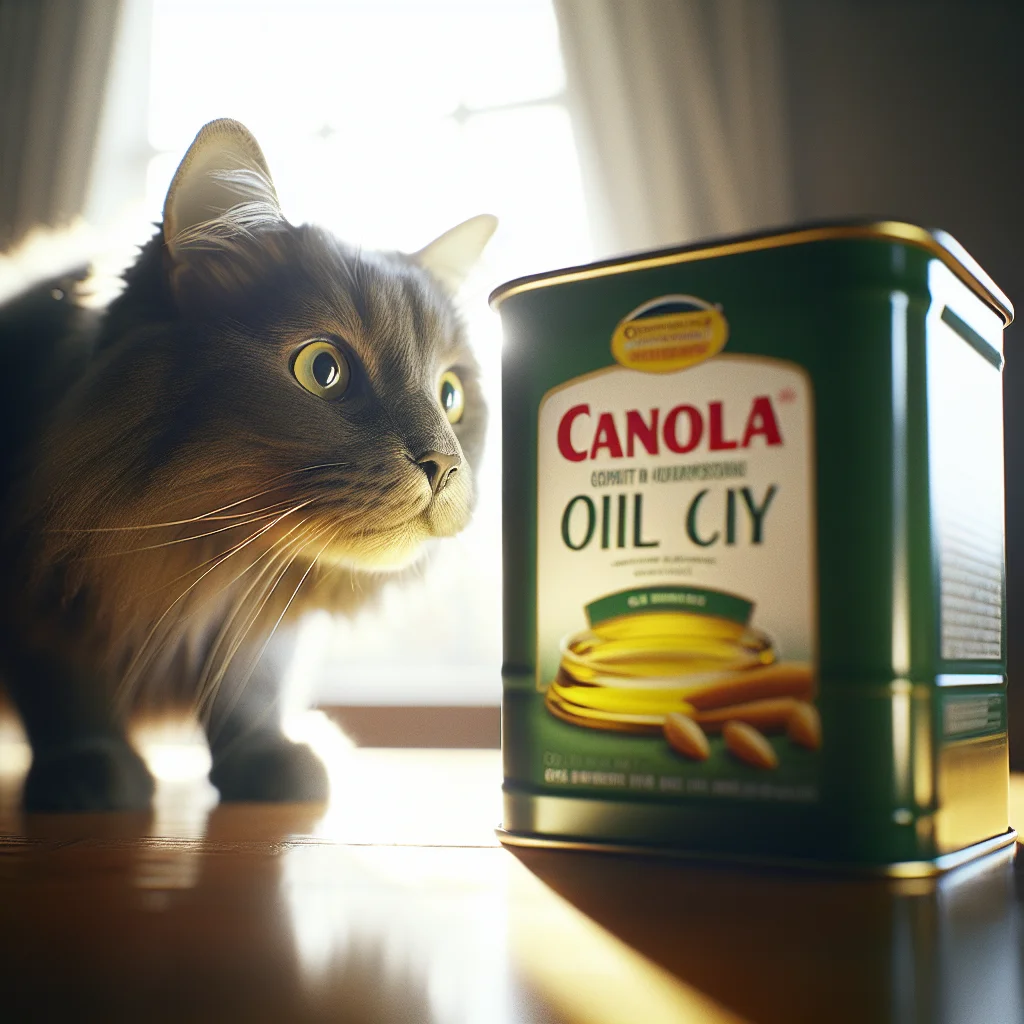
Safe in moderation, but caution is advised when considering canola oil for cats. Canola oil, derived from the seeds of the canola plant, lacks specific toxins harmful to cats but can disrupt their natural diet balance. The presence of high-fat content and omega fatty acids can lead to digestive upset and obesity if not managed properly.
Can Cats Digest Canola Oil Safely?
Cats can digest canola oil, but their systems are not naturally adapted to process it efficiently. Unlike humans, cats are obligate carnivores, meaning their diet is primarily meat-based, and their digestive systems are optimized for such. Introducing canola oil can lead to gastrointestinal issues such as diarrhea or vomiting. A small amount occasionally might not cause harm, but consistent or large quantities can disrupt their digestive health. It's crucial to monitor the cat's reaction closely and consult a veterinarian if any adverse symptoms are observed.
What Are the Potential Benefits of Canola Oil for Cats?
While canola oil is not essential in a cat's diet, it does contain omega-3 and omega-6 fatty acids, which can support coat health and skin condition. However, these benefits can be achieved through safer, more suitable sources like fish oil or specifically formulated cat supplements. Relying on canola oil for these benefits is not recommended due to the risk of overconsumption and subsequent health issues. Always prioritize a balanced diet tailored to feline nutritional needs.
How Much Canola Oil is Too Much for Cats?
Even small quantities of canola oil can be too much for some cats, depending on their size, age, and overall health. Generally, a teaspoon per day is often considered the maximum safe limit if canola oil is introduced. However, this should be done under veterinary guidance. Exceeding this amount can lead to obesity, pancreatitis, and other metabolic disorders. Always consider the cat's current diet and nutritional intake before adding additional oils.
What Are the Signs of Canola Oil Overconsumption in Cats?
If a cat consumes too much canola oil, it may exhibit symptoms such as vomiting, diarrhea, weight gain, or lethargy. In severe cases, it can lead to pancreatitis or liver issues. Monitoring for these symptoms is crucial if canola oil has been added to the diet. Immediate veterinary consultation is advised if any of these signs are observed, as early intervention can prevent serious health complications.
Is There a Safer Alternative to Canola Oil for Cats?
Yes, several safer alternatives can provide the benefits of fatty acids without the risks associated with canola oil. Fish oil, specifically salmon oil, and flaxseed oil are excellent alternatives known for their beneficial properties for cats. These options are more in line with a cat's natural dietary needs, offering omega fatty acids without risking digestive upset or obesity. Always choose high-quality, pet-safe products and consult with a veterinarian to ensure compatibility with your cat's diet.
Toxicity Levels
| Type | Amount | Risk |
|---|---|---|
| Direct Consumption | 1 tsp | Moderate |
| Mixed in Food | 1/2 tsp | Low |
| Large Quantity | 1 tbsp | High |
| Daily Intake | >1 tsp | High |
| Accidental Spill | Varies | Variable |
Symptoms to Watch For
- Vomiting
- Diarrhea
- Weight Gain
- Lethargy
- Pancreatitis
Frequently Asked Questions
Can canola oil cause allergies in cats?
Is canola oil beneficial for cats with dry skin?
How should I introduce canola oil to my cat's diet?
Can kittens have canola oil?
What should I do if my cat accidentally consumes a large amount of canola oil?