If you suspect your pet has ingested this food, do not wait for symptoms. Contact your veterinarian immediately.
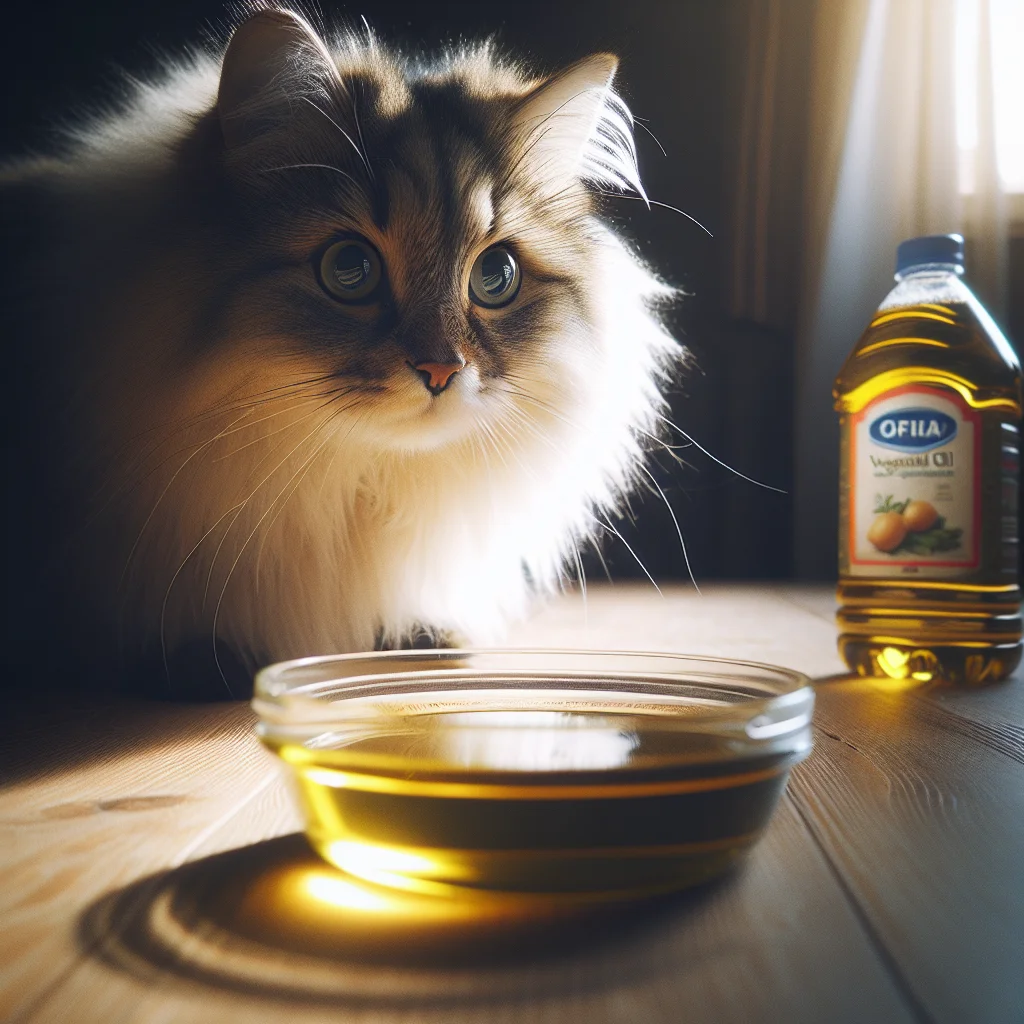
Vegetable oil is generally safe for cats in very small quantities, but it should be used with caution. The primary concern with vegetable oil is its high-fat content, which can lead to digestive issues and other health problems in cats if consumed in large amounts. Cats have specific dietary needs and their bodies are not designed to process large amounts of fat. The excessive fat can cause gastrointestinal upset or even pancreatitis, a condition that can be life-threatening if not treated promptly.
What are the risks of feeding vegetable oil to cats?
Feeding vegetable oil to cats can pose several risks. While small amounts may be harmless, excessive consumption can lead to obesity and gastrointestinal issues. Cats are obligate carnivores and require a diet rich in proteins rather than fats. The high caloric content of vegetable oil can disrupt their nutritional balance, potentially leading to obesity. This is especially concerning for indoor cats, who may not exercise enough to burn off the extra calories. Additionally, excessive fat intake can cause digestive disturbances like diarrhea and vomiting, and in severe cases, can trigger pancreatitis.
How much vegetable oil is safe for cats?
When considering adding vegetable oil to your cat's diet, moderation is key. A small amount, such as a few drops mixed into their food, is generally harmless and can even help with minor constipation issues. However, it's crucial not to exceed this amount. Too much oil can lead to diarrhea and other digestive issues. As with any dietary change, it’s wise to consult with a veterinarian to tailor the diet to your cat's specific needs and health conditions.
Can vegetable oil improve a cat's coat health?
While some pet owners use vegetable oil as a supplement to improve their cat's coat health, there are more effective alternatives. Fish oil, for example, contains omega-3 fatty acids that are beneficial for skin and coat health. Vegetable oil lacks these specific nutrients and may not produce the desired effect. If you're considering using oil to boost your cat's coat health, consult with a vet for recommendations tailored to your pet's specific needs.
What are the signs of vegetable oil poisoning in cats?
While not toxic at low levels, excessive consumption of vegetable oil can lead to symptoms of digestive distress. Common signs include vomiting, diarrhea, and a noticeable decrease in appetite. In severe cases, a cat may develop pancreatitis, which presents as abdominal pain, lethargy, and fever. If you notice any of these symptoms after your cat consumes vegetable oil, seek veterinary attention immediately. Early intervention is crucial to preventing more serious health complications.
Are there any safe alternatives to vegetable oil for cats?
Yes, there are safer alternatives to vegetable oil for supporting your cat's health. Fish oil and flaxseed oil are excellent choices, as they contain omega-3 fatty acids that support overall health and coat condition. These oils can be added to your cat's diet in moderation, providing nutritional benefits without the risks associated with high-fat content. Always introduce any new supplement gradually and consult with a veterinarian to ensure it's appropriate for your cat.
Toxicity Levels
| Type | Amount | Risk |
|---|---|---|
| Vegetable Oil | Few Drops | Low |
| Vegetable Oil | Teaspoon | Moderate |
| Vegetable Oil | Tablespoon | High |
| Vegetable Oil | Multiple Tablespoons | Severe |
| Vegetable Oil | Daily Use | Chronic Risk |
Symptoms to Watch For
- Vomiting
- Diarrhea
- Lethargy
- Abdominal Pain
- Loss of Appetite
Frequently Asked Questions
Can vegetable oil help with my cat's hairballs?
Is olive oil a better alternative for cats?
How can I introduce oil to my cat's diet safely?
Can cats be allergic to vegetable oil?
Why do some cat foods contain vegetable oil?