
If you suspect your pet has ingested this food, do not wait for symptoms. Contact your veterinarian immediately.
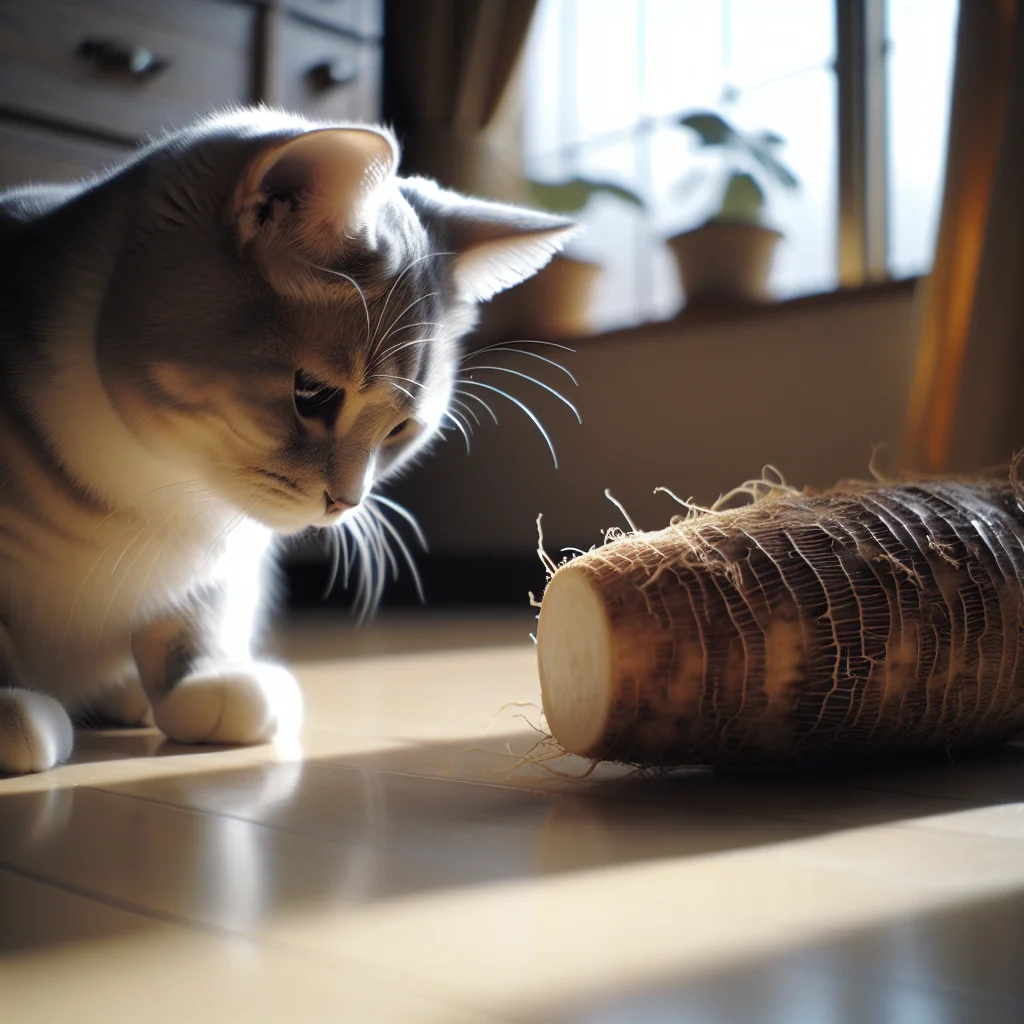
Toxic: Taro is potentially harmful to cats. The primary culprit is calcium oxalate, a compound that can form sharp, needle-like crystals. When ingested, these crystals can cause irritation in the mouth, throat, and gastrointestinal tract of cats. As a root vegetable commonly found in many cuisines, it might be tempting to share it with your feline friend, but caution is advised. The potential for harm outweighs any perceived benefit, making Taro a risky addition to a cat's diet. Let's delve deeper into the implications of Taro consumption for cats and address common queries.
What Happens If a Cat Eats Taro?
If a cat consumes Taro, the calcium oxalate crystals can lead to immediate discomfort. Your cat may exhibit signs of distress such as pawing at their mouth, drooling, or even vomiting. In more severe cases, ingestion can lead to swelling of the mouth and throat, which might cause difficulty in breathing. The irritation is due to the mechanical action of the crystals, which can embed themselves in the sensitive tissues of a cat's mouth and digestive tract. While some cats might not exhibit severe reactions, others can suffer from significant discomfort, necessitating prompt veterinary attention.
How Much Taro is Dangerous for Cats?
The quantity of Taro that can cause harm varies based on the individual cat's size, age, and health status. Even small amounts can provoke a reaction in some cats, particularly if they are more sensitive or have pre-existing health conditions. As a general rule, any amount of Taro should be considered potentially hazardous, and immediate action should be taken if ingestion is suspected. Monitoring your cat closely for signs of distress can help determine if veterinary intervention is necessary. Small doses might only cause mild symptoms, but larger intakes can lead to more serious health issues.
What Are the Symptoms of Taro Poisoning in Cats?
Symptoms of Taro poisoning in cats typically involve the mouth and gastrointestinal tract. Common signs include drooling, vomiting, and a noticeable reluctance to eat or drink due to oral discomfort. You might observe your cat pawing at their mouth or face, indicating irritation or pain. In more severe cases, swelling of the tongue and throat can occur, which may lead to breathing difficulties. Recognizing these symptoms early is crucial for effective treatment and can prevent more serious complications from developing.
Can Cooking Taro Make It Safe for Cats?
Cooking Taro can reduce the concentration of calcium oxalate crystals, potentially making it less harmful. However, even cooked Taro retains some level of these compounds, posing a risk to cats. Moreover, cooking might not neutralize other naturally occurring toxins that could be harmful. Therefore, while cooking might reduce the immediate danger, it does not render Taro entirely safe for feline consumption. Given the potential for harm, it's advisable to avoid feeding Taro to cats altogether, opting for safer alternatives instead.
Are There Any Safe Alternatives to Taro for Cats?
Indeed, there are several safe vegetable alternatives that can be offered to cats in moderation. Cooked carrots or peas can provide a nutritious snack without the risks associated with Taro. These vegetables are easier for cats to digest and don't contain harmful compounds like calcium oxalate. When introducing any new food to your cat's diet, it's important to do so gradually and in small amounts, ensuring they don't experience any adverse reactions. Consulting with your veterinarian can provide additional guidance on safe and healthy dietary options for your feline companion.
Toxicity Levels
| Type | Amount | Risk |
|---|---|---|
| Fresh Taro | Small | High |
| Cooked Taro | Moderate | Moderate |
| Taro Leaves | Any | High |
| Taro Chips | Small | Moderate |
| Taro Paste | Moderate | Moderate |
Symptoms to Watch For
- Vomiting
- Excessive Drooling
- Pawing at Mouth
- Mouth/Throat Swelling
- Reluctance to Eat
Frequently Asked Questions
Is Taro toxic to cats?
What should I do if my cat eats Taro?
Can cooking Taro make it safe for cats?
Are there any safe vegetables for cats?
Why is calcium oxalate harmful to cats?