
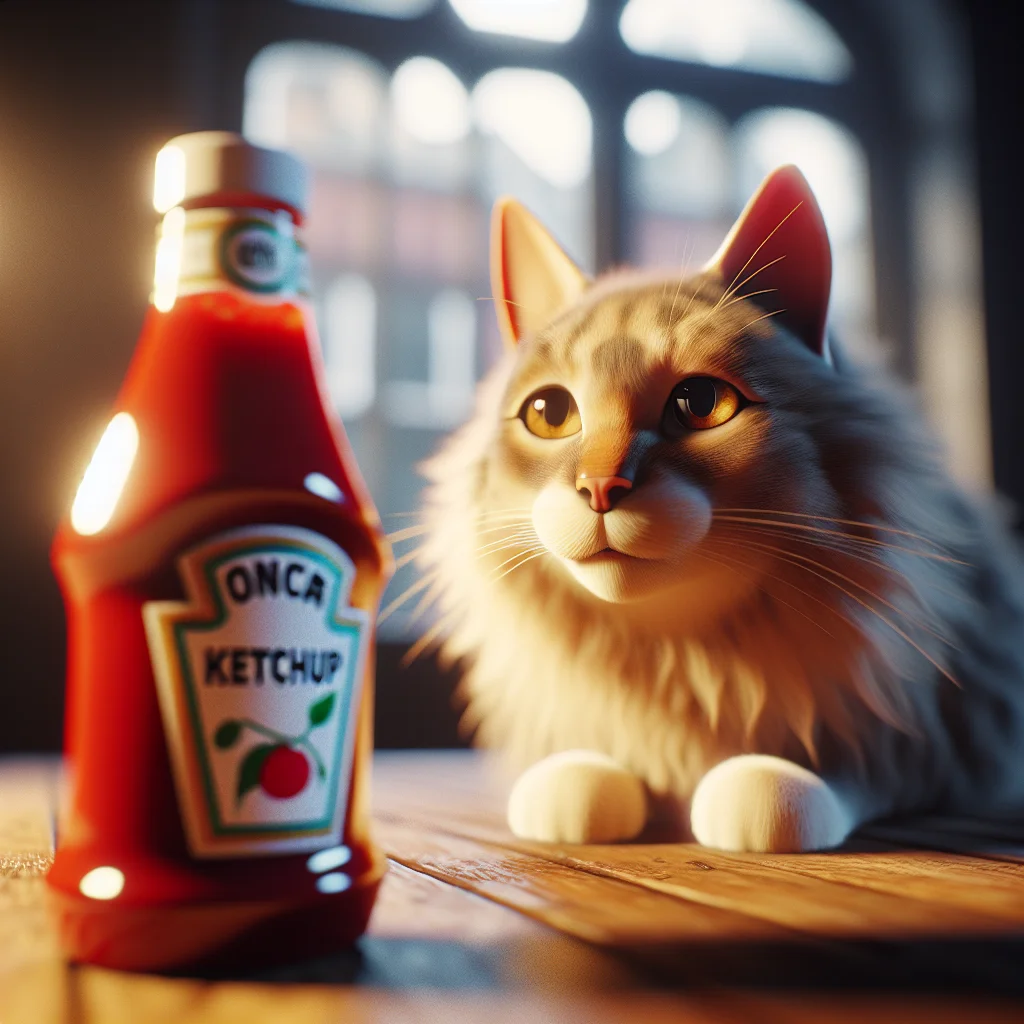
If you suspect your pet has ingested this food, do not wait for symptoms. Contact your veterinarian immediately.
Toxic. Ketchup, a popular condiment found in many households, poses a potential health risk to cats due to its ingredients. The primary concern is the presence of garlic and onion powders, which contain thiosulfates, compounds that can lead to oxidative damage in cats' red blood cells, resulting in anemia. Even small amounts can cause harm, so it's important for cat owners to be vigilant.
Why is Ketchup Harmful to Cats?
Ketchup typically contains a variety of ingredients that aren't suitable for feline consumption. Chief among these are garlic and onion powders, which belong to the allium family. Cats lack the enzymes needed to break down these compounds, leading to the production of harmful oxidative agents. Ingestion can cause Heinz body anemia, where the red blood cells are damaged or destroyed, reducing the cat's ability to transport oxygen effectively throughout the body.
What Are the Symptoms of Ketchup Poisoning in Cats?
If your cat has ingested ketchup, you might notice symptoms such as vomiting, diarrhea, lethargy, and a loss of appetite. In severe cases, signs of anemia can develop, including pale gums, rapid breathing, or weakness. These symptoms can appear within a few hours of ingestion, so it's crucial to monitor your cat closely and seek veterinary care if any of these symptoms arise.
How Much Ketchup is Dangerous for Cats?
The exact amount of ketchup that can cause toxicity in cats varies based on their size, age, and overall health. However, even a small amount can be hazardous due to the concentrated nature of the harmful compounds. A teaspoon of ketchup can potentially cause health issues, particularly in smaller or older cats. It's best to avoid giving ketchup to your cat altogether to prevent accidental poisoning.
Can Ketchup Affect a Cat's Long-term Health?
Repeated exposure to ketchup, even in small amounts, can have long-term health implications for cats. Continuous ingestion of thiosulfates can lead to chronic anemia, impacting the cat's energy levels and overall well-being. Additionally, the high sugar and salt content in ketchup can contribute to obesity and hypertension, further complicating a cat's health profile over time.
What Should I Do if My Cat Eats Ketchup?
If you suspect your cat has eaten ketchup, it's crucial to act quickly. First, try to determine how much ketchup was ingested. Contact your veterinarian immediately for advice. They may recommend monitoring your cat for symptoms or bringing them in for an examination. In some cases, inducing vomiting or administering activated charcoal may be necessary to prevent toxin absorption.
Toxicity Levels
| Type | Amount | Risk |
|---|---|---|
| Garlic Powder | Trace | High |
| Onion Powder | Trace | High |
| Sugar | High | Moderate |
| Salt | Moderate | Moderate |
| Preservatives | Varies | Low |
Symptoms to Watch For
- Vomiting
- Diarrhea
- Lethargy
- Loss of Appetite
- Pale Gums
Frequently Asked Questions
Is any amount of ketchup safe for cats?
Can cats recover from ketchup poisoning?
Are there any safe alternatives to ketchup for cats?
Why do cats seem interested in ketchup?
What other common foods are toxic to cats?