
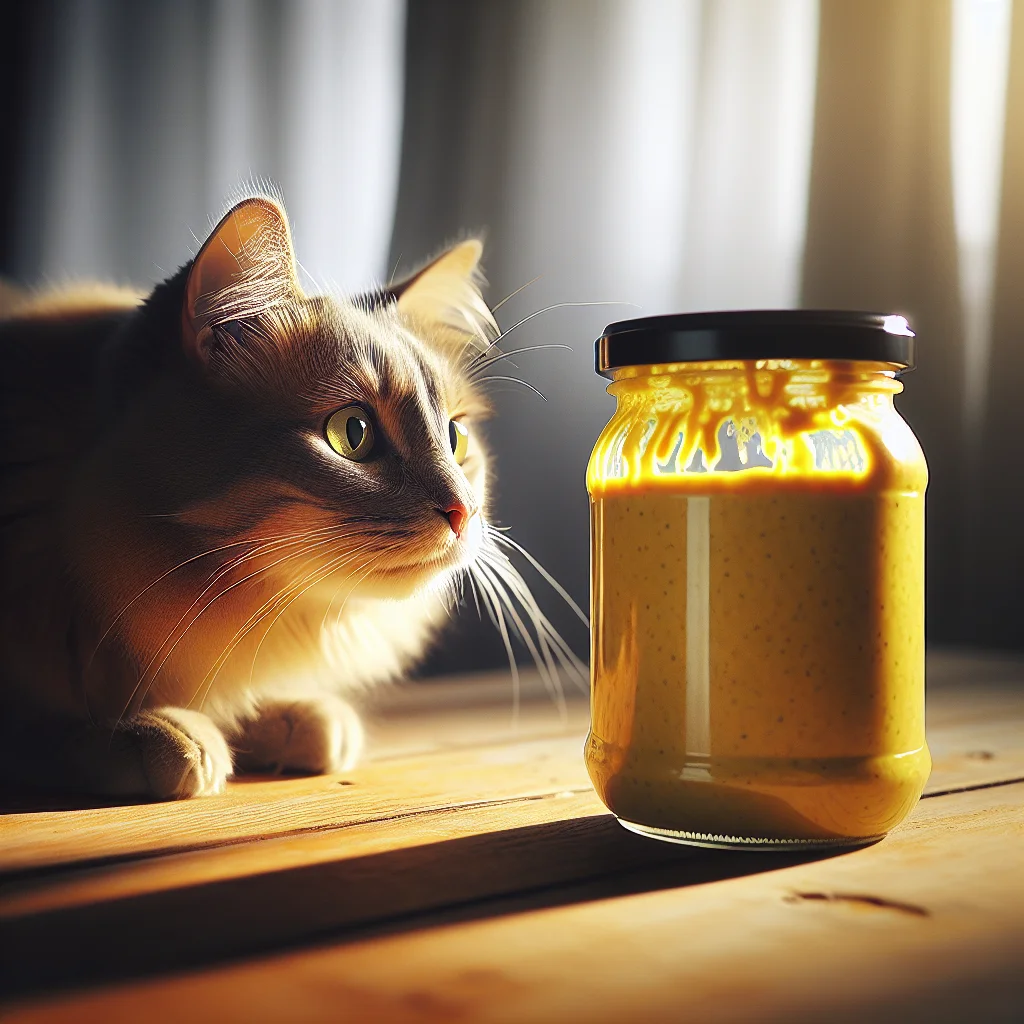
If you suspect your pet has ingested this food, do not wait for symptoms. Contact your veterinarian immediately.
Mustard is not safe for cats. It contains compounds that can be toxic to felines, primarily due to the presence of isothiocyanates and mustard seeds, which can disrupt a cat's gastrointestinal system. These compounds can cause symptoms ranging from mild stomach upset to severe digestive issues. Understanding the risks associated with mustard consumption in cats is crucial for responsible pet ownership.
What Happens If a Cat Eats Mustard?
If a cat ingests mustard, it may experience a variety of symptoms due to its body's inability to process the compounds found in mustard. The isothiocyanates in mustard can irritate the gastrointestinal tract, causing symptoms like vomiting, diarrhea, and abdominal pain. In more severe cases, a cat may suffer from prolonged digestive distress, dehydration, and lethargy. Monitoring your cat closely and seeking veterinary care can help mitigate these risks.
How Much Mustard is Dangerous for Cats?
Even small amounts of mustard can be harmful to cats. The level of toxicity depends on the cat's size, age, and overall health. A tiny lick might only cause mild discomfort, while larger quantities can lead to significant health issues. Determining the exact amount that poses a threat is challenging, but it's always better to err on the side of caution and prevent any mustard consumption altogether.
What Are the Symptoms of Mustard Toxicity in Cats?
The symptoms of mustard toxicity in cats can vary but often include vomiting, diarrhea, and abdominal pain. Cats may also exhibit signs of discomfort such as excessive drooling, pawing at their mouth, or restlessness. In severe cases, symptoms can escalate to dehydration and lethargy, necessitating immediate veterinary attention. Recognizing these signs early can be pivotal in ensuring your cat's safety.
Can Mustard Cause Long-term Health Issues in Cats?
While a one-time ingestion of mustard might only lead to temporary discomfort, repeated exposure or large amounts can cause more serious health problems. Chronic gastrointestinal irritation can result in long-term digestive issues and nutritional deficiencies. Additionally, if a cat repeatedly consumes mustard, it could develop a reliance on or craving for the taste, which could further endanger its health.
How Can You Prevent Cats from Eating Mustard?
Preventing cats from eating mustard involves keeping mustard products securely stored and out of reach. Educating family members and guests about the risks of feeding mustard to cats can also help. Additionally, providing cats with a balanced diet that fulfills their nutritional needs reduces the likelihood of them seeking out inappropriate foods. Always supervise your pets during mealtime to ensure they don't accidentally consume mustard.
Toxicity Levels
| Type | Amount | Risk |
|---|---|---|
| Isothiocyanates | Trace | Moderate |
| Mustard Seeds | Small | High |
| Processed Mustard | Moderate | High |
| Mustard Oil | Very Small | Severe |
| Prepared Mustard | Small | Moderate |
Symptoms to Watch For
- Vomiting
- Diarrhea
- Abdominal Pain
- Excessive Drooling
- Lethargy
Frequently Asked Questions
Can mustard be fatal to cats?
Are there any safe alternatives to mustard for cats?
Why do some cats seem interested in mustard?
What should I do if my cat accidentally eats mustard?
Can mustard cause allergic reactions in cats?