
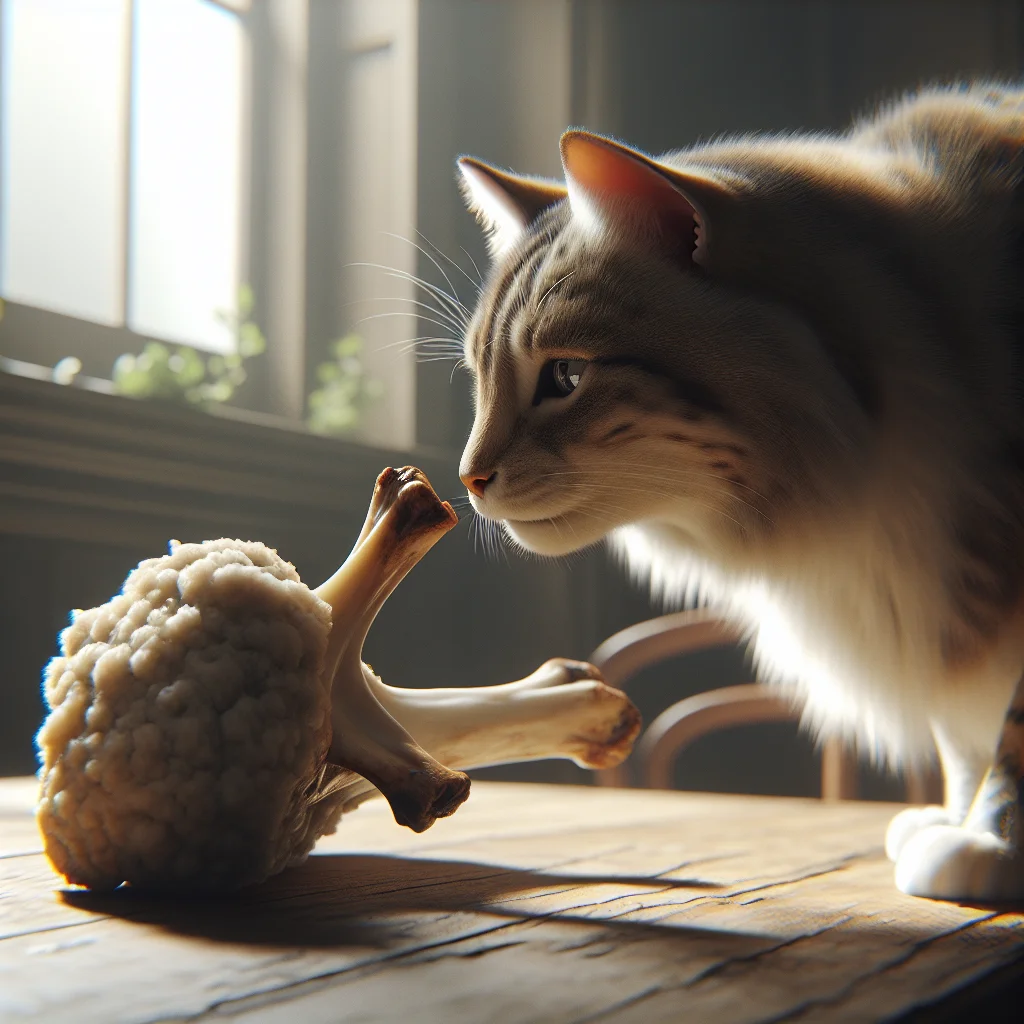
If you suspect your pet has ingested this food, do not wait for symptoms. Contact your veterinarian immediately.
Cats should exercise caution when consuming lamb bones. The primary concern is the risk of intestinal blockages or injuries caused by sharp bone fragments. These fragments can splinter and cause harm to the digestive tract, leading to serious health issues such as punctures or blockages.
What Are the Risks of Feeding a Cat Lamb Bone?
Feeding lamb bones to cats can pose several risks. The primary danger is the bone's potential to splinter into sharp pieces. These fragments can cause significant damage to a cat's mouth, esophagus, stomach, and intestines. When ingested, these sharp pieces can puncture or lacerate the digestive tract, leading to internal bleeding or infection. Additionally, bones can cause blockages in the intestines, which may require surgical intervention. Cats might also choke on small pieces, leading to respiratory distress. It's essential to recognize these potential hazards and consider safer alternatives for your feline friend.
Can Lamb Bones Cause Digestive Issues in Cats?
Yes, lamb bones can cause significant digestive issues in cats. When a cat chews on a lamb bone, there is a risk that it could swallow large fragments. These fragments can become lodged in the intestines or cause tears in the delicate lining of the digestive tract. Symptoms of digestive distress include vomiting, diarrhea, constipation, and abdominal pain. The sharp edges of the bone can irritate the gastrointestinal lining, leading to inflammation and discomfort. In severe cases, surgical intervention may be necessary to remove the bone and repair any damage caused.
What Should I Do If My Cat Ingests Lamb Bone?
If your cat ingests a lamb bone, monitor them closely for any signs of distress. Symptoms to watch for include vomiting, difficulty swallowing, coughing, signs of pain, or changes in appetite. If any of these symptoms occur, contact your veterinarian immediately. Do not attempt to induce vomiting, as this can cause further injury. Your veterinarian may recommend diagnostic imaging to locate the bone and assess any damage. Treatment may involve endoscopy or surgery to safely remove the bone and address any complications that have arisen.
Are There Safer Alternatives to Lamb Bones for Cats?
Yes, there are safer alternatives to lamb bones for cats. Consider offering your cat specially formulated dental treats or toys designed to promote oral health. These products are designed to be chewed safely without the risk of splintering. Additionally, you can provide raw meat diets with caution, ensuring bones are finely ground to prevent any risk of injury. Always consult with your veterinarian before introducing new foods or treats to your cat's diet, as they can provide guidance on safe and nutritious options specific to your cat's needs.
How Can I Tell If My Cat Has a Bone Obstruction?
Signs of a bone obstruction in cats can vary but often include vomiting, lack of appetite, lethargy, and abdominal pain. If a bone fragment becomes lodged in the intestinal tract, your cat may strain to defecate or produce only small amounts of feces. You might also notice signs of distress, such as pacing or vocalizing more than usual. If you suspect an obstruction, seek veterinary care immediately. A veterinarian can perform diagnostic imaging to confirm the obstruction's presence and determine the best course of action to resolve the issue safely.
Toxicity Levels
| Type | Amount | Risk |
|---|---|---|
| Raw Bone | Small piece | Moderate |
| Raw Bone | Large piece | High |
| Cooked Bone | Any size | Very High |
| Bone Fragments | Any size | Very High |
| Ground Bone | Finely Ground | Low |
Symptoms to Watch For
- Vomiting
- Diarrhea
- Abdominal Pain
- Lethargy
- Loss of Appetite
Frequently Asked Questions
Can lamb bones splinter in a cat's mouth?
What symptoms indicate a cat has eaten a bone?
Should I induce vomiting if my cat eats a lamb bone?
Can cooked lamb bones be safer for cats?
Are there specific bone treats designed for cats?