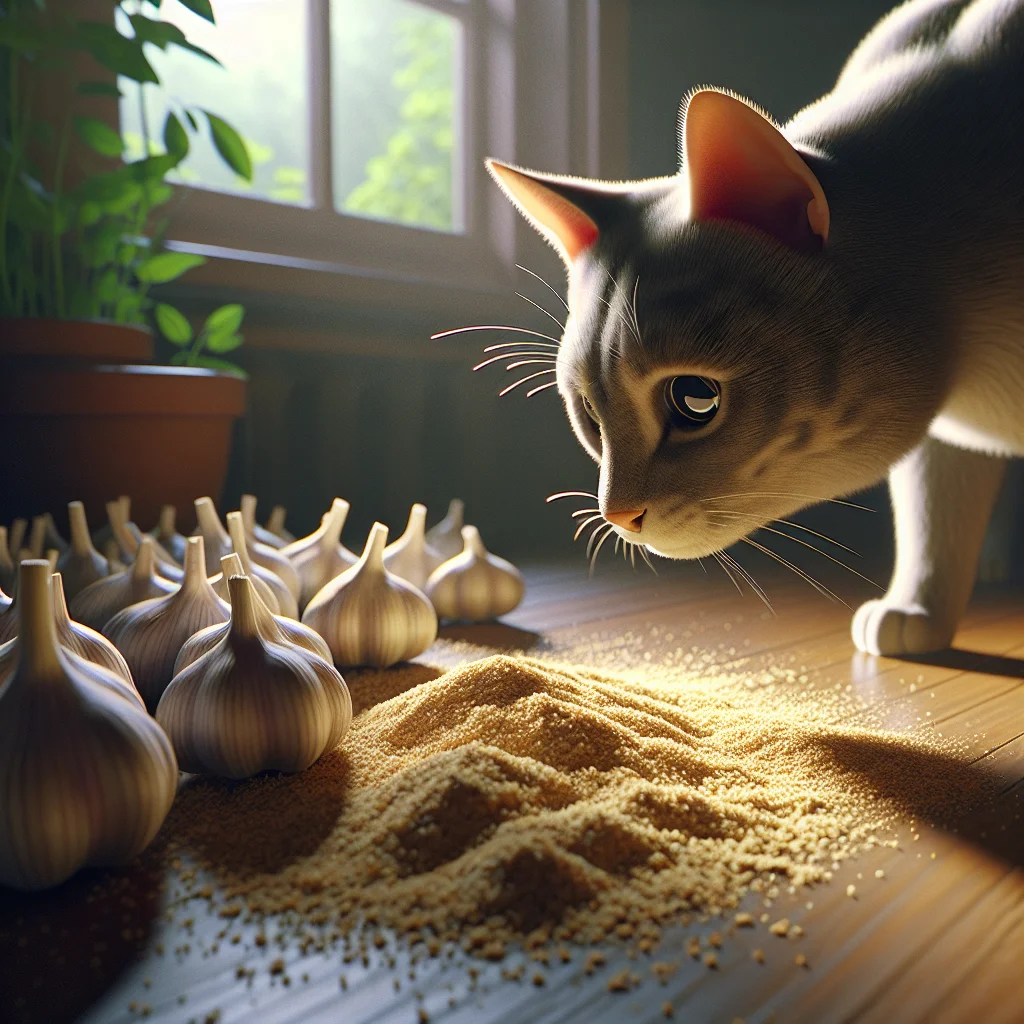
If you suspect your pet has ingested this food, do not wait for symptoms. Contact your veterinarian immediately.
Garlic powder is toxic to cats. The primary culprit is a compound called thiosulfate, found in garlic and its powdered form. Cats lack the enzyme necessary to metabolize thiosulfate, leading to oxidative damage to their red blood cells. This can result in hemolytic anemia, a serious condition that can be life-threatening if not addressed promptly. Understanding the effects of garlic powder on your feline friend is crucial for ensuring their safety and well-being.
Why is garlic powder harmful to cats?
Garlic powder contains thiosulfate, which is highly toxic to cats. Unlike humans, cats cannot process this compound efficiently. When ingested, thiosulfate causes oxidative stress in the body, damaging red blood cells and leading to hemolytic anemia. This condition reduces the oxygen-carrying capacity of the blood, resulting in fatigue, weakness, and even organ failure in severe cases. Even small amounts of garlic powder can be harmful, making it essential to keep it out of reach of curious cats.
What are the symptoms of garlic powder poisoning in cats?
Symptoms of garlic powder poisoning in cats may include vomiting, diarrhea, lethargy, pale gums, and a decreased appetite. In more severe cases, cats may experience an increased heart rate, difficulty breathing, and collapse. If you suspect your cat has ingested garlic powder, it's crucial to seek veterinary care immediately. Early intervention can prevent further damage and improve the chances of recovery.
How much garlic powder is dangerous for cats?
Even a small amount of garlic powder can be hazardous to cats. As little as one gram of garlic per five pounds of body weight can trigger toxic effects. Because garlic powder is more concentrated than fresh garlic, its potency poses a greater risk. It's important to keep all forms of garlic, including powders and seasoning mixes, out of reach of cats to prevent accidental ingestion.
What should I do if my cat eats garlic powder?
If you suspect your cat has ingested garlic powder, contact your veterinarian immediately. Do not wait for symptoms to appear, as early intervention is critical. Your vet may induce vomiting or administer activated charcoal to prevent further absorption of the toxin. In severe cases, hospitalization may be necessary to provide supportive care and monitor your cat's condition.
Are there safe alternatives to garlic powder for cats?
There are many safe alternatives to garlic powder that can add flavor to your cat's food without risking their health. Herbs like catnip, parsley, and thyme are safe and can be offered in moderation. Always consult your veterinarian before introducing any new food or seasoning to your cat's diet to ensure it's safe and appropriate for their specific health needs.
Toxicity Levels
| Type | Amount | Risk |
|---|---|---|
| Garlic Powder | 1 gram | High |
| Garlic Clove | 1 clove | Moderate |
| Garlic Bread | 1 slice | Moderate |
| Garlic Supplement | 500 mg | High |
| Garlic Oil | 1 teaspoon | High |
Symptoms to Watch For
- Vomiting
- Diarrhea
- Lethargy
- Pale Gums
- Decreased Appetite
Frequently Asked Questions
Can a small amount of garlic powder hurt my cat?
Is garlic powder more dangerous than fresh garlic for cats?
How quickly do symptoms of garlic poisoning appear in cats?
Can garlic powder poisoning in cats be treated at home?
Are there any safe uses of garlic powder around cats?