
If you suspect your pet has ingested this food, do not wait for symptoms. Contact your veterinarian immediately.
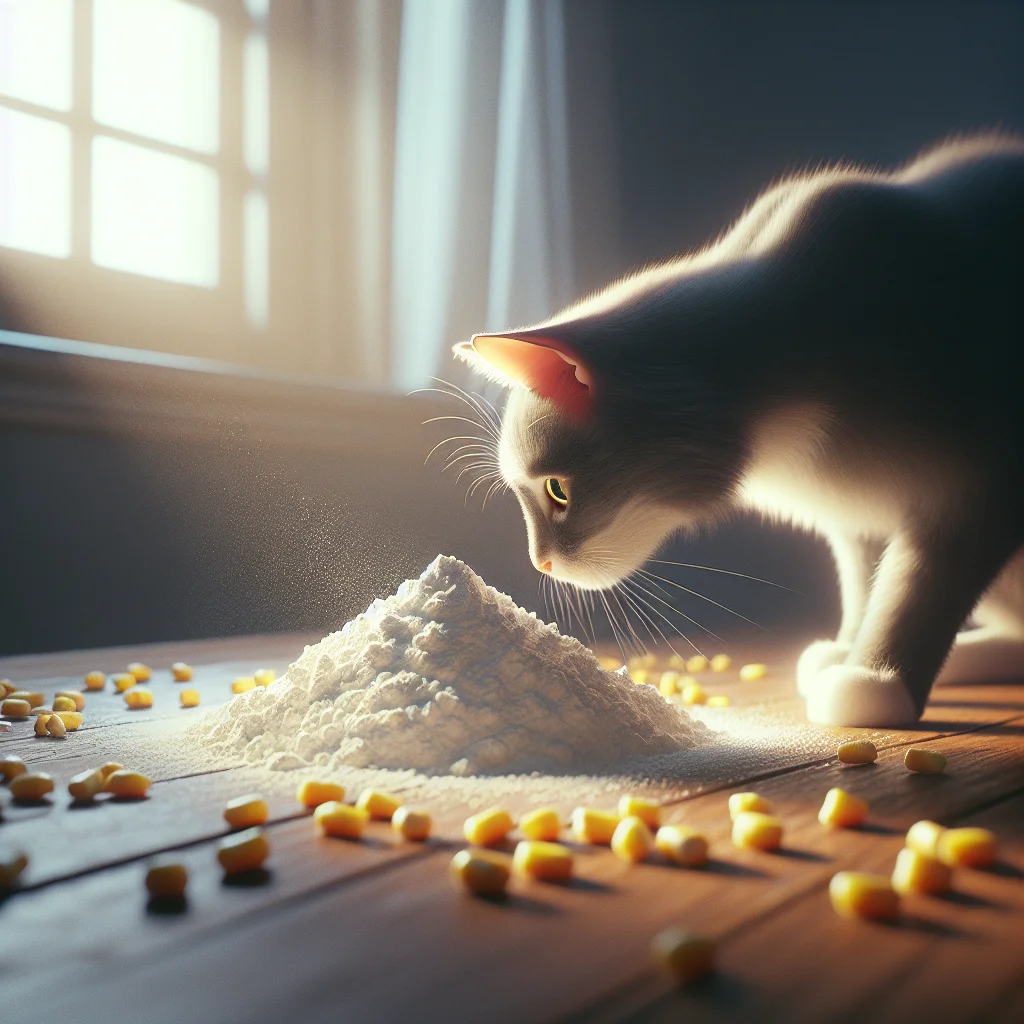
Cornstarch is not inherently toxic to cats, but it can pose certain health risks if consumed in large quantities. As a carbohydrate, cornstarch lacks essential nutrients that cats need and can lead to digestive issues due to their obligate carnivore nature. Excessive consumption may result in gastrointestinal upset, including symptoms such as diarrhea or vomiting. The starchy nature of this food can disrupt a cat's digestive balance, making it a food item that should be approached with caution.
Is Cornstarch Safe for Cats?
While cornstarch is not poisonous, it is not advisable to offer it as a regular part of your cat's diet. Cats require a diet primarily composed of proteins and fats, and cornstarch offers none of the vital nutrients they need. If consumed occasionally in small amounts, it might not cause immediate harm, but a habit of consuming starchy foods can lead to health complications over time. Therefore, cornstarch should be given sparingly, if at all.
What Happens if a Cat Eats Cornstarch?
If your cat ingests cornstarch, you might observe mild gastrointestinal issues such as bloating or diarrhea. These symptoms occur because a cat's digestive system is not designed to process high amounts of carbohydrates. In most cases, small quantities of cornstarch may pass through the system without causing significant distress, but larger amounts can lead to more severe digestive disturbances. Monitoring your pet for any adverse reactions is crucial.
How Much Cornstarch is Too Much for Cats?
Any amount of cornstarch beyond a minimal taste test can be considered too much for a cat. Cats do not have the enzymatic ability to break down large amounts of carbohydrates efficiently. A safe rule of thumb is to avoid feeding cornstarch altogether, but if accidental ingestion occurs, ensure it is a very small amount. Keep an eye on your pet for any digestive upset following exposure.
What Are the Alternatives to Cornstarch for Cats?
Instead of cornstarch, consider offering your cat treats and foods that align with their nutritional needs. High-protein snacks such as cooked chicken or commercially available cat treats are better suited for their diet. These options provide essential nutrients without the risk of upsetting their digestive system. Always prioritize foods that support your cat's health and well-being.
Can Cornstarch Cause Long-term Health Problems in Cats?
Regular consumption of cornstarch can lead to weight gain, obesity, and related health issues such as diabetes. Cats consuming a diet high in carbohydrates may also suffer from malnutrition if it displaces more nutritious food sources. It's important to maintain a balanced diet that fulfills a cat's dietary requirements to prevent these long-term health problems.
Toxicity Levels
| Type | Amount | Risk |
|---|---|---|
| Small Amount | Less than 1 teaspoon | Low |
| Moderate Amount | 1-2 teaspoons | Moderate |
| Large Amount | More than 2 teaspoons | High |
| Regular Consumption | Daily intake | Very High |
| Accidental Ingestion | Once | Low |
Symptoms to Watch For
- Vomiting
- Diarrhea
- Bloating
- Lethargy
- Weight Gain
Frequently Asked Questions
Can cornstarch cause diarrhea in cats?
Is cornstarch used in any commercial cat foods?
What should I do if my cat eats cornstarch?
Are there any benefits of cornstarch for cats?
How can I prevent my cat from eating cornstarch?