
If you suspect your pet has ingested this food, do not wait for symptoms. Contact your veterinarian immediately.
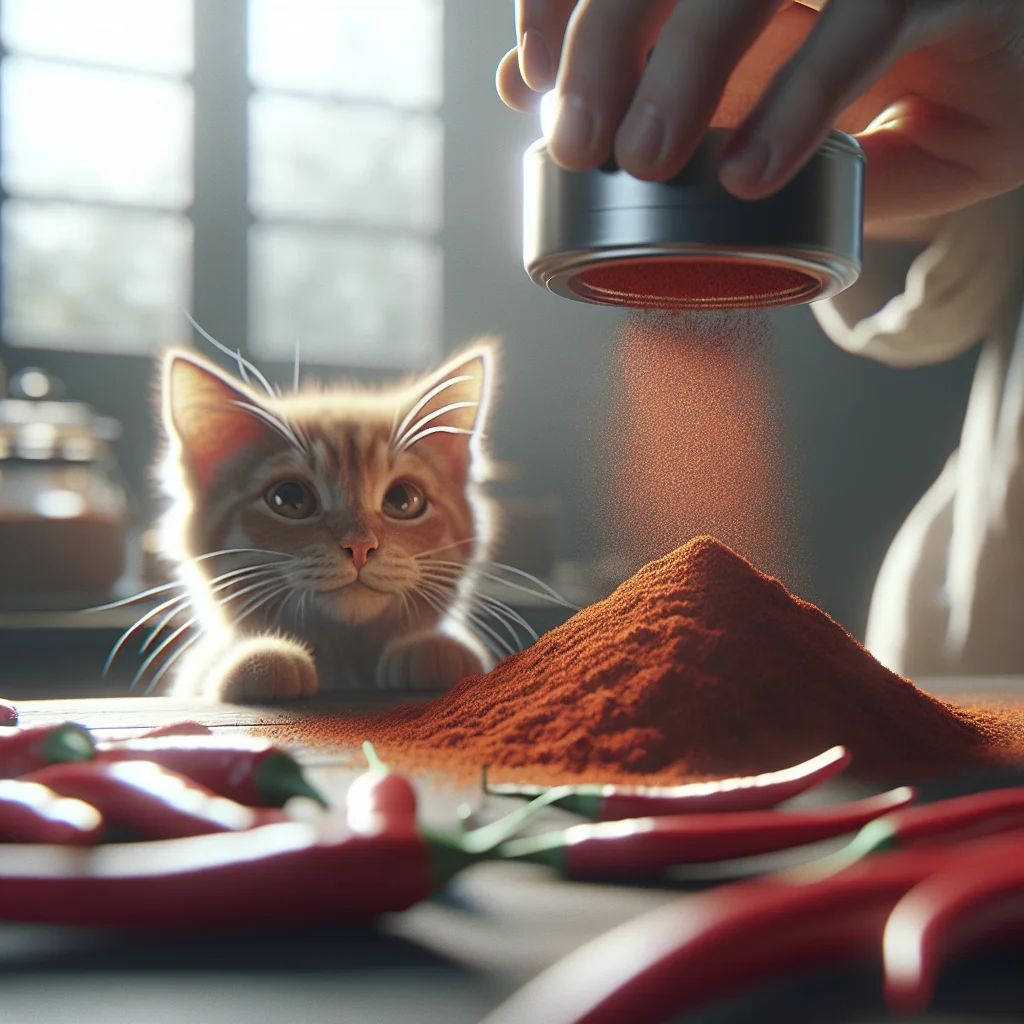
Chili Powder is toxic for cats. This fiery seasoning contains capsaicin, a compound responsible for the heat in peppers, which can provoke severe reactions in felines. Cats are particularly sensitive to capsaicin, as they lack the liver enzymes necessary to metabolize it efficiently, leading to potential health hazards. Understanding the risks of chili powder ingestion is crucial to safeguarding your pet's well-being.
What are the symptoms of chili powder poisoning in cats?
Cats that ingest chili powder may exhibit a range of symptoms. Gastrointestinal distress is common, with vomiting and diarrhea frequently reported. You might notice your cat drooling excessively or displaying signs of mouth irritation, such as pawing at their face. Respiratory distress is another critical symptom, as the capsaicin can irritate the airways, leading to coughing or wheezing. Immediate veterinary intervention is recommended if any of these symptoms appear.
How much chili powder is dangerous for a cat?
Even a small amount of chili powder can pose a risk to cats due to their heightened sensitivity to capsaicin. There's no established safe level of consumption, as individual tolerance can vary. As a rule of thumb, it's best to keep all spicy foods and seasonings completely out of reach. If you suspect your cat has ingested chili powder, monitor them closely and consult your veterinarian for guidance.
Why do cats react differently to chili powder than humans?
Cats and humans metabolize substances differently. Cats lack glucuronyl transferase, an enzyme crucial for processing various compounds, including capsaicin. This deficiency means that even minor exposure to chili powder can result in significant toxicity. Unlike humans, cats don't possess the same tolerance to spicy foods, which can result in severe discomfort and potential health risks.
What should I do if my cat eats chili powder?
If your cat consumes chili powder, act quickly. First, remove any remaining chili powder to prevent further ingestion. Offer your cat plenty of water to help dilute the substance in their system. Monitor for signs of distress, and contact your veterinarian immediately. Providing detailed information about the quantity ingested and any symptoms observed will assist the vet in determining the best course of treatment.
Are there safer alternatives to chili powder for cats?
When it comes to flavoring your cat's food, stick to cat-safe options. Herbs like catnip or parsley can provide a healthier, non-toxic alternative to chili powder. Always consult with your veterinarian before introducing new foods or seasonings to your cat's diet. Keeping your cat's meals simple and free from spices is the best way to ensure their safety and health.
Toxicity Levels
| Type | Amount | Risk |
|---|---|---|
| Chili Powder | Small pinch | Medium |
| Chili Powder | 1/4 teaspoon | High |
| Chili Powder | 1/2 teaspoon | Very High |
| Chili Powder | 1 teaspoon | Severe |
| Chili Powder | Multiple teaspoons | Critical |
Symptoms to Watch For
- Vomiting
- Diarrhea
- Excessive Drooling
- Coughing
- Wheezing
Frequently Asked Questions
Can chili powder kill a cat?
Why is capsaicin harmful to cats?
What should I avoid when feeding my cat?
Can cats develop a tolerance to chili powder?
Is it safe to use chili powder as a deterrent for cats?