If you suspect your pet has ingested this food, do not wait for symptoms. Contact your veterinarian immediately.
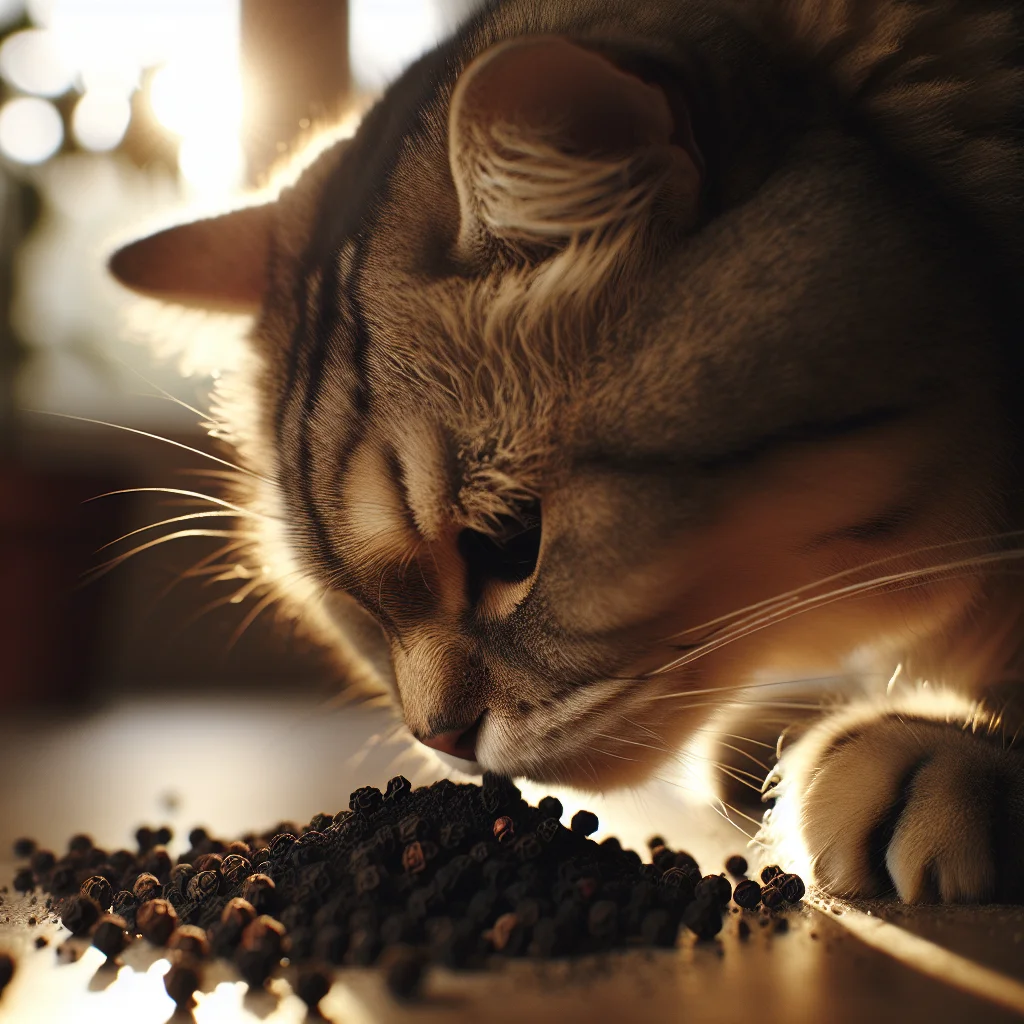
Black pepper is not inherently toxic to cats, but caution is warranted. The piperine compound found in black pepper, responsible for its pungent taste, can be irritating to a cat's gastrointestinal system. Cats possess a heightened sensitivity to certain spices, and even a small amount of black pepper can cause discomfort.
Why Is Black Pepper a Concern for Cats?
Cats have a different metabolic system compared to humans, making them more susceptible to certain substances. The piperine in black pepper can act as an irritant, leading to gastrointestinal upset. Additionally, the strong aroma of black pepper might deter cats from consuming food, affecting their nutrition if it is a consistent part of their diet.
What Are the Symptoms of Black Pepper Exposure in Cats?
If your cat ingests black pepper, you might notice symptoms such as vomiting, diarrhea, and excessive sneezing due to irritation. In more sensitive cats, it could also cause respiratory distress. Monitoring your pet for these symptoms is crucial, as they may require veterinary intervention if severe.
How Much Black Pepper Is Harmful to Cats?
Even small amounts of black pepper can trigger adverse reactions in cats. While a tiny sprinkle might not cause immediate harm, regular exposure could lead to chronic issues. It’s best to keep black pepper and other spices away from your cat’s food to prevent accidental ingestion.
What Should I Do If My Cat Consumes Black Pepper?
In case your cat ingests black pepper, observe them closely for any signs of distress. Provide fresh water to help dilute any irritants and consider offering a bland diet until symptoms subside. If your cat exhibits severe symptoms such as persistent vomiting or difficulty breathing, contact your veterinarian promptly.
Are There Alternatives to Black Pepper for Cats?
If you're considering flavoring your cat's food, opt for cat-safe herbs such as catnip or parsley. These options offer a safe and enjoyable experience for your feline friend without the risk of irritation associated with black pepper.
Toxicity Levels
| Type | Amount | Risk |
|---|---|---|
| Piperine Exposure | Small | Moderate |
| Inhalation | Minimal | Low |
| Ingestion | Medium | High |
| Chronic Exposure | Repeated | Very High |
| Topical Contact | Minimal | Low |
Symptoms to Watch For
- Vomiting
- Diarrhea
- Sneezing
- Coughing
- Gastrointestinal irritation
Frequently Asked Questions
Can black pepper cause long-term health issues in cats?
Is the smell of black pepper harmful to cats?
Can I use black pepper as a deterrent for cats?
What other common spices should be avoided for cats?
Are there any benefits to cats consuming black pepper?