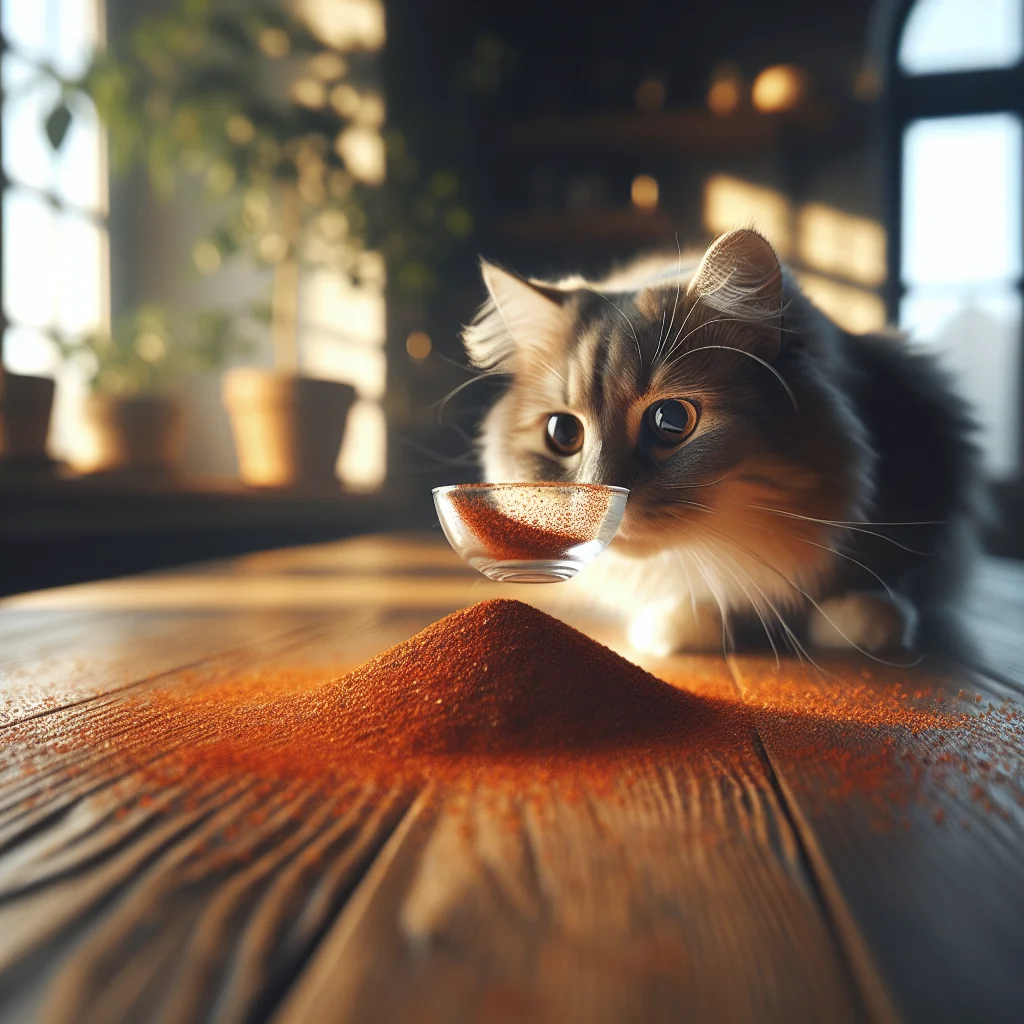
If you suspect your pet has ingested this food, do not wait for symptoms. Contact your veterinarian immediately.
Toxic: Paprika is not safe for cats to consume. The primary concern is capsaicin, a compound found in paprika that can irritate a cat's gastrointestinal tract. This can lead to a range of digestive issues, including vomiting and diarrhea. Additionally, paprika may contain other additives or preservatives that are not suitable for feline consumption. Cats lack the necessary enzymes to effectively process and detoxify certain compounds found in spices, making paprika a risky choice for your feline friend.
Can Cats Digest Paprika?
Cats have a unique digestive system that is not designed to process certain plant-based compounds found in spices like paprika. The capsaicin in paprika can cause irritation in the mouth, throat, and stomach of cats, leading to discomfort and potential vomiting. Unlike humans, cats do not have the same tolerance for spicy foods, and even a small amount of paprika can upset their stomachs. It's crucial to keep paprika and other spicy foods out of your cat's reach to prevent accidental ingestion.
What Happens if a Cat Eats Paprika?
If a cat ingests paprika, they may experience a range of symptoms due to the irritation caused by capsaicin. These symptoms can include drooling, vomiting, diarrhea, and abdominal pain. In severe cases, the irritation can lead to dehydration if the vomiting and diarrhea persist. If you suspect your cat has eaten paprika, monitor them closely for any signs of distress and consult a veterinarian if their condition worsens or does not improve.
How Much Paprika is Harmful to Cats?
Even a small amount of paprika can be harmful to cats due to their sensitive digestive systems. The exact amount that can cause harm varies depending on the individual cat's size, age, and overall health. However, it's best to err on the side of caution and avoid giving your cat any paprika or foods containing paprika. If your cat accidentally consumes paprika, pay close attention to their behavior and consult a veterinarian if you notice any adverse effects.
Are All Types of Paprika Harmful to Cats?
All types of paprika, whether sweet or hot, pose a risk to cats due to the presence of capsaicin. While sweet paprika contains less capsaicin than hot paprika, it can still irritate a cat's digestive system. Additionally, some types of paprika may contain added salt or other seasonings that can be harmful to cats. It's best to avoid giving your cat any form of paprika to prevent potential health issues.
What Should I Do if My Cat Eats Paprika?
If your cat has ingested paprika, it's important to take action quickly. Remove any remaining paprika from your cat's reach and rinse their mouth with water to remove any residue. Monitor your cat for any signs of distress, such as vomiting, diarrhea, or excessive drooling. If symptoms persist or worsen, contact your veterinarian for further guidance. In some cases, supportive care, such as fluid therapy, may be necessary to prevent dehydration.
Toxicity Levels
| Type | Amount | Risk |
|---|---|---|
| Sweet Paprika | Small amount | Moderate |
| Hot Paprika | Small amount | High |
| Paprika Mixed with Salt | Any amount | High |
| Paprika Flavored Snacks | Any amount | High |
| Paprika Powder | Any amount | High |
Symptoms to Watch For
- Vomiting
- Diarrhea
- Excessive Drooling
- Abdominal Pain
- Dehydration
Frequently Asked Questions
Can paprikas cause long-term health issues in cats?
Are there any spices that are safe for cats?
What are common signs of spice poisoning in cats?
Can paprika affect a cat's sense of smell?
How can I prevent my cat from ingesting harmful spices?