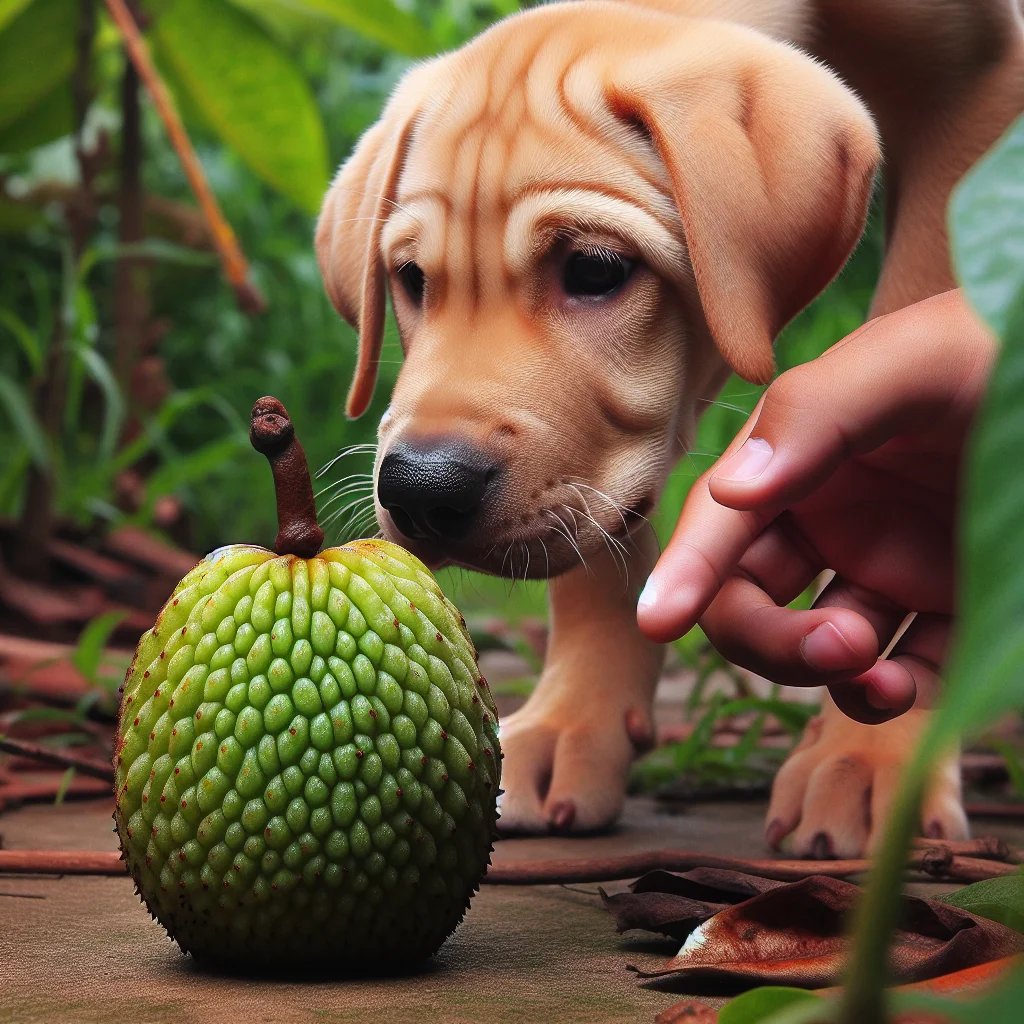
If you suspect your pet has ingested this food, do not wait for symptoms. Contact your veterinarian immediately.
Cherimoya, also known as the custard apple, is a tropical fruit native to South America. While it is renowned for its sweet and creamy flesh, which is often enjoyed by humans, cherimoya is toxic to dogs. The seeds, leaves, and rind of the fruit contain toxins that can be harmful to your canine companion if ingested. It is crucial for dog owners to be aware of the risks associated with feeding cherimoya to their pets and to understand the symptoms of potential toxicity. This article aims to provide comprehensive information on cherimoya and the dangers it poses to dogs.
Why is Cherimoya Toxic to Dogs?
Cherimoya contains several compounds that are toxic to dogs, primarily in its seeds, leaves, and skin. The seeds contain annonacin, a neurotoxin that can cause severe neurological damage in dogs. When ingested, these compounds can lead to symptoms such as vomiting, diarrhea, and even seizures. The rind and leaves also pose a risk due to the presence of alkaloids, which can cause gastrointestinal distress. Pet owners should exercise caution and ensure that their dogs do not have access to any part of the cherimoya plant.
What Happens if a Dog Eats Cherimoya?
Ingesting cherimoya can lead to a range of adverse effects in dogs, depending on the amount consumed and the size of the dog. Common symptoms include vomiting, diarrhea, and agitation. In severe cases, dogs may experience neurological symptoms such as tremors or seizures, which require immediate veterinary attention. It is important for dog owners to monitor their pets closely if they suspect cherimoya ingestion and seek professional help if any symptoms arise.
How Can I Prevent My Dog from Eating Cherimoya?
Prevention is key when it comes to protecting your dog from the toxic effects of cherimoya. Ensure that all cut or whole cherimoya fruits are stored securely out of your dog's reach. Educate family members and guests about the dangers of feeding human foods, especially fruits like cherimoya, to your dog. Additionally, be vigilant during walks or outdoor activities to prevent your dog from coming into contact with cherimoya plants or discarded fruit.
Are There Safe Alternatives to Cherimoya for Dogs?
While cherimoya is not safe for dogs, there are many other fruits that can be safely enjoyed by your canine companion. Fruits such as apples (without seeds), blueberries, and bananas can be given in moderation, offering your dog a healthy treat without the risk of toxicity. Always introduce new foods gradually and in small quantities to ensure they do not cause any adverse reactions in your dog.
What Should I Do If My Dog Eats Cherimoya?
If your dog accidentally consumes cherimoya, it is essential to act quickly. Remove any remaining fruit from your dog's reach and try to determine how much has been eaten. Contact your veterinarian immediately for advice on the next steps. They may recommend inducing vomiting or bringing your dog in for an examination. Timely intervention can prevent severe health complications and ensure the safety of your pet.
Toxicity Levels
| Type | Amount | Risk |
|---|---|---|
| Seeds | Any ingestion | High |
| Flesh | Moderate to large | Moderate |
| Rind | Any ingestion | High |
| Leaves | Any ingestion | High |
| Whole Fruit | Any ingestion | High |
Symptoms to Watch For
- Vomiting
- Diarrhea
- Tremors
- Seizures
- Agitation
Frequently Asked Questions
Can dogs eat cherimoya?
What are the symptoms of cherimoya poisoning in dogs?
How much cherimoya is toxic to dogs?
Is the flesh of cherimoya safe for dogs?
Can cherimoya cause long-term damage in dogs?