If you suspect your pet has ingested this food, do not wait for symptoms. Contact your veterinarian immediately.
Anchovies can be cautiously included in a dog's diet, but with potential risks that warrant attention. These small fish offer beneficial nutrients such as omega-3 fatty acids, but their high sodium content can pose serious health threats to dogs if consumed in large quantities. Sodium in excess can lead to salt poisoning, a condition that disrupts the water balance in a dog's body, leading to a range of symptoms. Let's dive into the specifics of feeding anchovies to dogs and the precautions to take.
Are Anchovies Safe for Dogs to Eat?
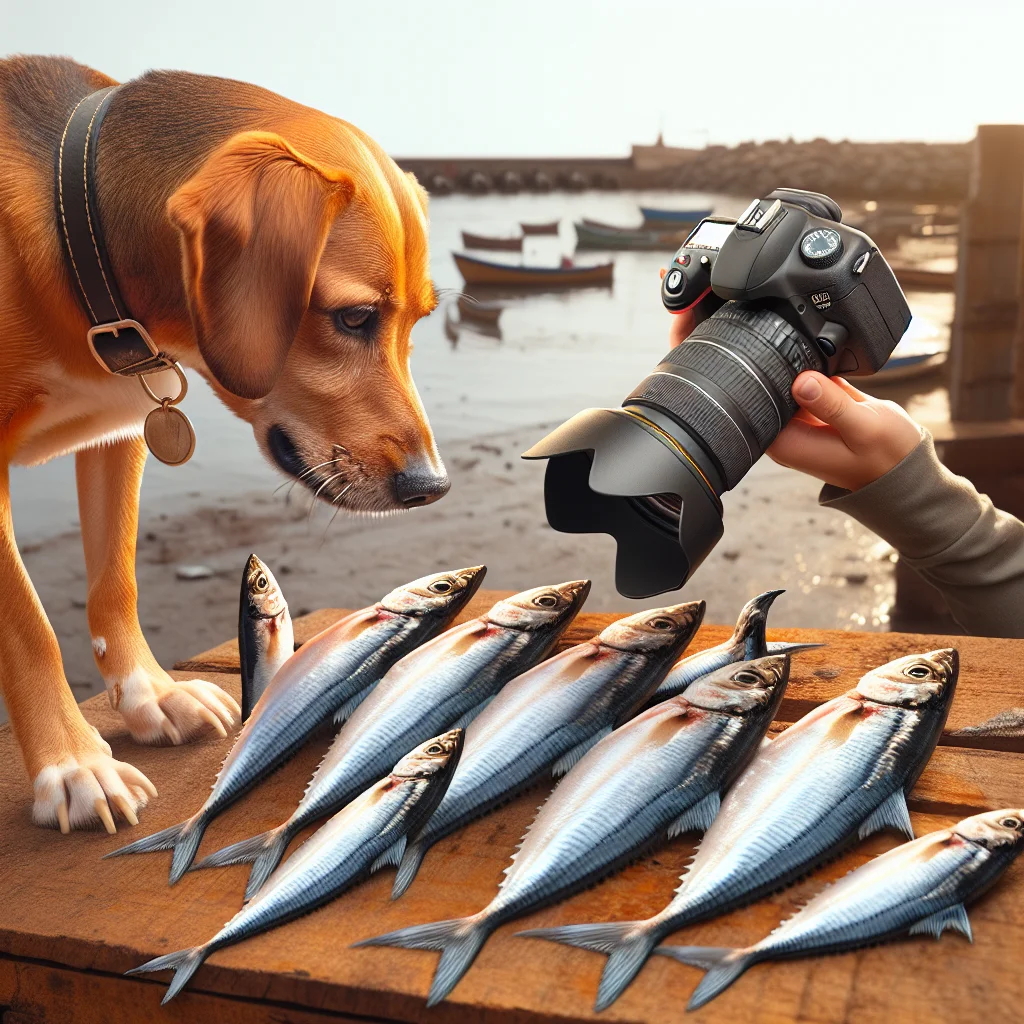
While anchovies themselves are not inherently toxic to dogs, the concern lies in the form they are consumed. Fresh anchovies can be a healthy treat, providing essential fatty acids that promote skin and coat health. However, it is imperative to avoid anchovies that are canned or preserved in oil and salt. These variants contain high levels of sodium, which can lead to salt poisoning. When feeding anchovies, opt for fresh or unsalted versions and serve them in moderation to prevent any adverse effects.
What Are the Benefits of Anchovies for Dogs?
Anchovies are rich in omega-3 fatty acids, which are vital for a dog’s health. These nutrients support cardiovascular health, reduce inflammation, and improve cognitive functions in dogs. The small size of anchovies also makes them an ideal snack, as they are easy to chew and digest. Additionally, anchovies are a good source of protein, providing the essential building blocks for muscle repair and growth. However, these benefits can only be reaped if anchovies are served properly, without excess salt or preservatives.
How Much Anchovy Can a Dog Safely Eat?
Moderation is key when feeding anchovies to dogs. A small dog might safely consume one or two anchovies a week, while larger breeds could handle a few more. It is crucial to monitor the dog for any signs of discomfort or allergic reactions after introducing anchovies into their diet. Always consult with a veterinarian to determine the appropriate quantity based on your dog’s size, health status, and dietary needs. Overconsumption can lead to health issues, so careful portion control is essential.
What Are the Symptoms of Salt Poisoning in Dogs?
If a dog consumes too much sodium, symptoms of salt poisoning can occur. These may include vomiting, diarrhea, excessive thirst or urination, and in severe cases, neurological symptoms like tremors or seizures. Immediate veterinary attention is needed if any of these signs are observed. Dogs with existing health conditions such as kidney disease are particularly susceptible to salt poisoning, so extra caution is advised when introducing new foods like anchovies into their diet.
How Can I Safely Incorporate Anchovies into My Dog's Diet?
To safely feed anchovies, opt for fresh, raw, or steamed anchovies without added salt or preservatives. You can chop them into small pieces to mix with regular dog food, ensuring a balanced intake. Avoid canned anchovies, which are often loaded with salt. Always introduce any new food gradually, observing your dog for any adverse reactions. Remember, anchovies should complement a well-rounded diet and not replace standard dog food.
Toxicity Levels
| Type | Amount | Risk |
|---|---|---|
| Fresh Anchovies | 1-2 (small dogs) | Low |
| Fresh Anchovies | 3-4 (large dogs) | Low |
| Canned in Oil | Any | High |
| Canned in Salt | Any | Very High |
| Raw Anchovies | Moderate | Medium |
Symptoms to Watch For
- Vomiting
- Diarrhea
- Excessive Thirst
- Frequent Urination
- Tremors or Seizures
Frequently Asked Questions
Can puppies eat anchovies?
Are there any alternatives to anchovies for dogs?
Can anchovies cause allergies in dogs?
What if my dog ate a can of anchovies?
Can I cook anchovies for my dog?