If you suspect your pet has ingested this food, do not wait for symptoms. Contact your veterinarian immediately.
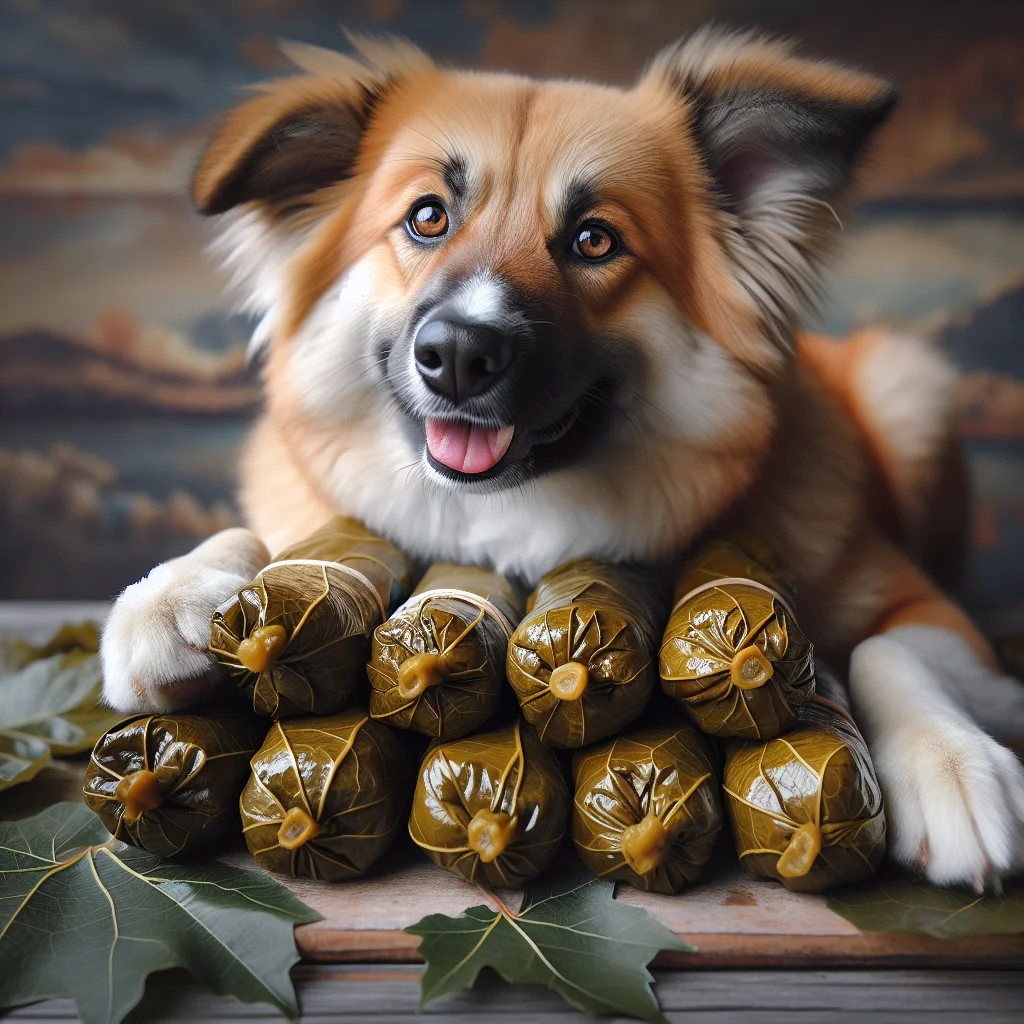
Dolma, known for its savory and aromatic flavors, is not recommended for dogs due to potential health risks. The primary concern lies in the ingredients used to prepare dolma, such as onions, garlic, and spices, which are toxic to dogs. These components can cause gastrointestinal distress and other serious health issues in canines.
What Makes Dolma Potentially Harmful to Dogs?
The ingredients in dolma that pose the greatest threat to dogs are onions and garlic. Both contain thiosulfate, which can damage red blood cells and lead to hemolytic anemia. This condition can be life-threatening if not addressed promptly. Additionally, the spices and herbs used in dolma, such as cumin and black pepper, may irritate a dog's digestive system, leading to vomiting and diarrhea.
Why Should You Avoid Giving Dogs Grapevine Leaves?
Grapevine leaves, a key component of dolma, can be difficult for dogs to digest. While not inherently toxic, they may cause stomach upset or blockages if consumed in large quantities. The leaves' fibrous nature can be problematic for dogs with sensitive stomachs, leading to discomfort and potential digestive issues.
What are the Symptoms of Dolma Ingestion in Dogs?
If your dog consumes dolma, watch for symptoms such as vomiting, diarrhea, lethargy, and abdominal pain. In severe cases, signs of anemia may appear, including pale gums, weakness, and increased heart rate. Immediate veterinary attention is crucial if these symptoms occur, as untreated anemia can be dangerous.
How Can You Prevent Accidental Dolma Consumption?
To prevent your dog from accidentally eating dolma, keep it out of reach during meals and gatherings. Educate family members and guests about the potential risks, ensuring they do not feed dolma to your pet. Consider preparing dog-friendly alternatives for your pet during meal times to avoid temptation.
What Should You Do If Your Dog Eats Dolma?
If your dog eats dolma, monitor them closely for any signs of distress. Contact your veterinarian immediately if symptoms such as vomiting, diarrhea, or lethargy appear. Providing your vet with information about the ingredients consumed will aid in assessing the situation and determining the appropriate treatment.
Toxicity Levels
| Type | Amount | Risk |
|---|---|---|
| Onions | Small | High |
| Garlic | Moderate | High |
| Grapevine Leaves | Large | Moderate |
| Spices | Variable | Moderate |
| Oil | High | Moderate |
Symptoms to Watch For
- Vomiting
- Diarrhea
- Lethargy
- Abdominal Pain
- Pale Gums
Frequently Asked Questions
Can small amounts of dolma harm my dog?
Are there any safe alternatives to dolma for dogs?
What should I do if my dog shows symptoms after eating dolma?
How can I train my dog to avoid eating food like dolma?
Is it safe to feed dogs any part of a grapevine?