
If you suspect your pet has ingested this food, do not wait for symptoms. Contact your veterinarian immediately.
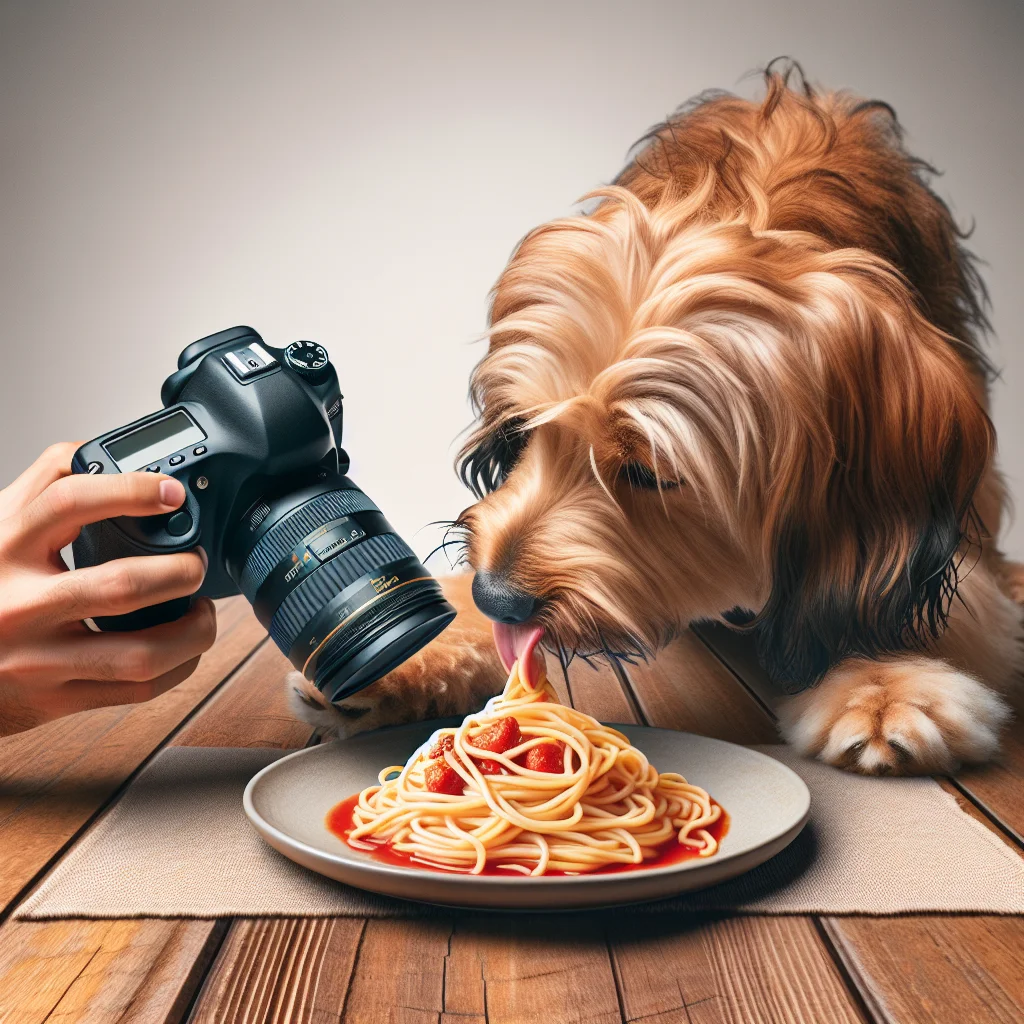
Feeding spaghetti to dogs comes with a cautionary note. While plain spaghetti itself is not toxic to dogs, the ingredients often paired with it, such as garlic, onions, and rich sauces, can pose serious health risks. These components contain compounds that are harmful to dogs, potentially leading to gastrointestinal issues and other health problems.
Is Plain Spaghetti Safe for Dogs?
Plain spaghetti, in moderate amounts, is generally safe for dogs. It's important to ensure that the spaghetti is cooked without any salt, seasoning, or oils, as these can upset your dog's stomach. The real danger lies in what accompanies the spaghetti. Many traditional sauces contain garlic and onions, both of which are toxic to dogs. They contain thiosulfate, which can cause oxidative damage to red blood cells, leading to anemia. Therefore, if you plan to share spaghetti with your dog, make sure it's plain and in small quantities.
What Happens If a Dog Eats Spaghetti Sauce?
Spaghetti sauce can be harmful to dogs due to ingredients like garlic, onions, and sometimes even raisins. Garlic and onions are particularly dangerous as they contain thiosulfate, which can lead to hemolytic anemia in dogs. Symptoms of this condition include lethargy, weakness, and rapid breathing. If your dog ingests spaghetti sauce, monitor them closely for any signs of distress and consult a veterinarian immediately if any symptoms develop.
Can Spaghetti Cause Allergies in Dogs?
While rare, some dogs may have an allergic reaction to wheat-based products like spaghetti. Symptoms of a food allergy can include itching, skin rashes, and digestive issues such as vomiting or diarrhea. If your dog shows any signs of an allergic reaction after eating spaghetti, it's crucial to stop feeding them the pasta and consult your veterinarian for further advice. Consider opting for gluten-free pasta alternatives if your dog has a known wheat allergy.
How Much Spaghetti Can Dogs Eat?
Moderation is key when it comes to feeding spaghetti to dogs. A small amount of plain, cooked spaghetti can be a treat for your dog, but it should not be a regular part of their diet. Due to its high carbohydrate content, overfeeding spaghetti can lead to weight gain and related health issues. A few strands as an occasional treat is usually safe, but always observe your dog for any adverse reactions.
What Alternatives to Spaghetti Are Safe for Dogs?
If you're looking to diversify your dog's diet with pasta-like treats, consider options such as rice or quinoa. These grains are generally safe and provide nutritional benefits. Rice is easy to digest and can be a good source of carbohydrates for energy, whereas quinoa offers a higher protein content. As always, ensure any new food is introduced slowly and in moderation, observing your dog for any unusual reactions.
Toxicity Levels
| Type | Amount | Risk |
|---|---|---|
| Plain Spaghetti | Small | Low |
| Spaghetti with Garlic | Any | High |
| Spaghetti with Onion | Any | High |
| Spaghetti with Sauce | Moderate | Moderate |
| Whole Wheat Spaghetti | Small | Low |
| Gluten-Free Spaghetti | Small | Low |
| Spaghetti with Raisins | Any | High |
Symptoms to Watch For
- Vomiting
- Diarrhea
- Lethargy
- Weakness
- Rapid Breathing
Frequently Asked Questions
Can dogs eat spaghetti with tomato sauce?
Is whole wheat spaghetti better for dogs?
What should I do if my dog ate spaghetti with sauce?
Can I give my dog spaghetti as a regular meal?
Are there any pasta types that are safer for dogs?