
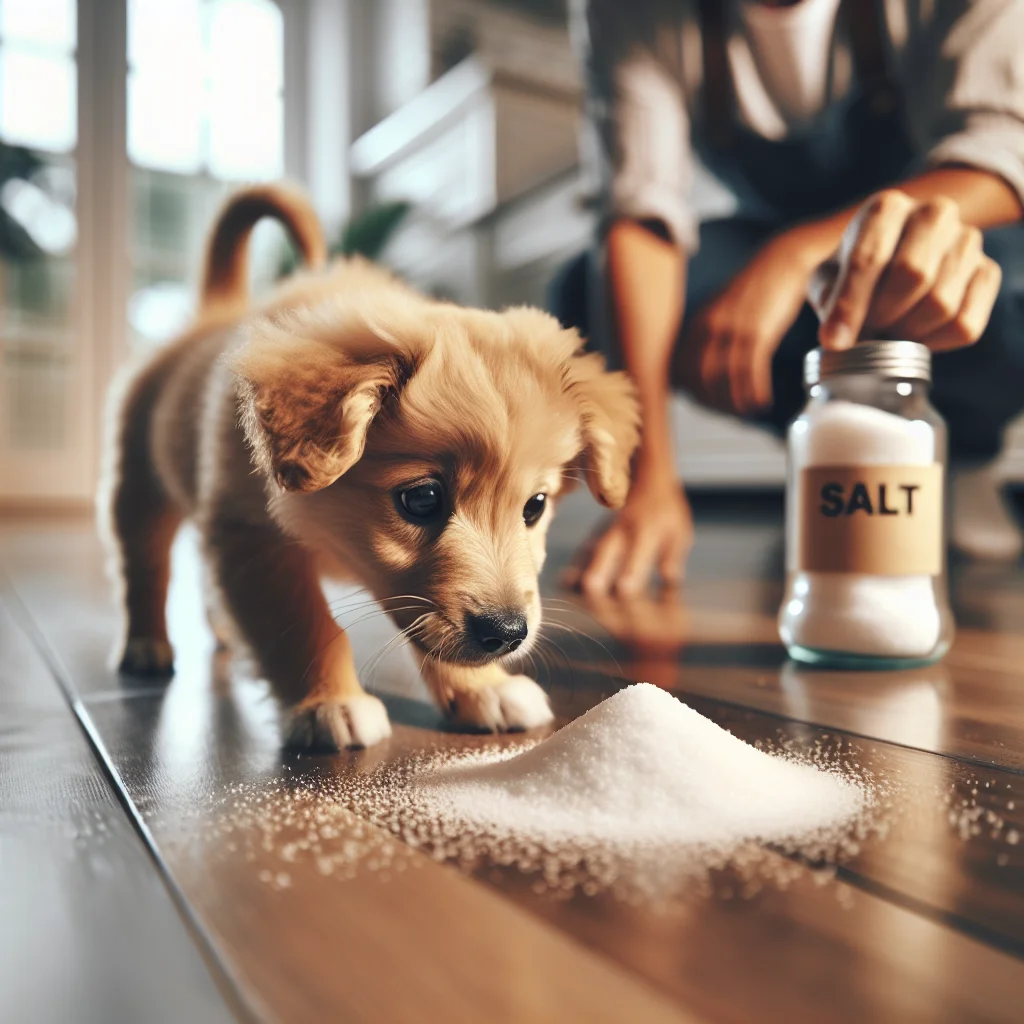
If you suspect your pet has ingested this food, do not wait for symptoms. Contact your veterinarian immediately.
Salt, or sodium chloride, is a common ingredient in human diets, but when it comes to our canine companions, caution is advised. Excessive salt consumption can lead to sodium ion poisoning in dogs, a condition that disrupts the balance of electrolytes and can result in severe health problems. The mechanism involves the rapid absorption of sodium into the bloodstream, leading to dehydration, kidney strain, and in severe cases, neurological issues. Understanding how salt affects dogs is crucial for any responsible pet owner.
What Happens If a Dog Eats Too Much Salt?
When a dog consumes too much salt, the body attempts to balance the excess sodium by drawing water from the cells, leading to dehydration. This can cause a chain reaction of symptoms, including vomiting, diarrhea, and lethargy. In severe cases, dogs may experience tremors, seizures, or even coma. The threshold for salt toxicity varies depending on the dog's size, age, and overall health, but even a relatively moderate amount can be harmful. Monitoring your dog's diet and being cautious of foods high in salt is essential.
How Much Salt is Safe for Dogs?
For dogs, the safe salt intake is approximately 0.25 to 1.5 grams per 100 grams of food. However, this can vary based on a dog's individual health conditions. Dogs with heart or kidney issues require a stricter salt intake limitation. It's important to read pet food labels and consult with a veterinarian to ensure your dog's diet is balanced and does not exceed safe sodium levels. Homemade treats should also be low in salt to prevent any health risks.
What Are the Symptoms of Salt Poisoning in Dogs?
Recognizing the symptoms of salt poisoning early can prevent serious health complications. Symptoms typically include vomiting, diarrhea, excessive thirst, and urination. More severe signs are tremors, seizures, and in extreme cases, coma. If you suspect your dog has ingested a large amount of salt, contact your veterinarian immediately. Quick action can make a significant difference in the outcome.
How Can I Prevent My Dog from Consuming Too Much Salt?
Preventing excessive salt intake involves being vigilant about your dog's diet. Avoid giving your dog table scraps and be cautious with processed foods, as they often contain high levels of sodium. Opt for dog-specific treats that are formulated to meet their dietary needs. Additionally, ensure your dog has access to fresh water at all times to help maintain proper hydration levels.
What Should I Do If My Dog Shows Signs of Salt Overconsumption?
If your dog exhibits signs of salt overconsumption, such as excessive thirst, lethargy, or vomiting, it is crucial to take immediate action. Provide fresh water to help dilute the sodium and consult your veterinarian without delay. Your vet may perform blood tests to assess the severity of the condition and recommend treatment, which could include intravenous fluids and supportive care.
Toxicity Levels
| Type | Amount | Risk |
|---|---|---|
| Table Salt | 1-2 tsp | Moderate |
| Sea Salt | 1-2 tsp | Moderate |
| Processed Foods | Varies | High |
| Saltwater | 1 cup | High |
| Soy Sauce | 1 tbsp | High |
Symptoms to Watch For
- Vomiting
- Diarrhea
- Lethargy
- Excessive Thirst
- Seizures
Frequently Asked Questions
Can a small amount of salt harm my dog?
How does salt poisoning affect a dog's body?
Are there any dog breeds more sensitive to salt?
Is sea salt safer for dogs than table salt?
What should I do if my dog drinks saltwater?