
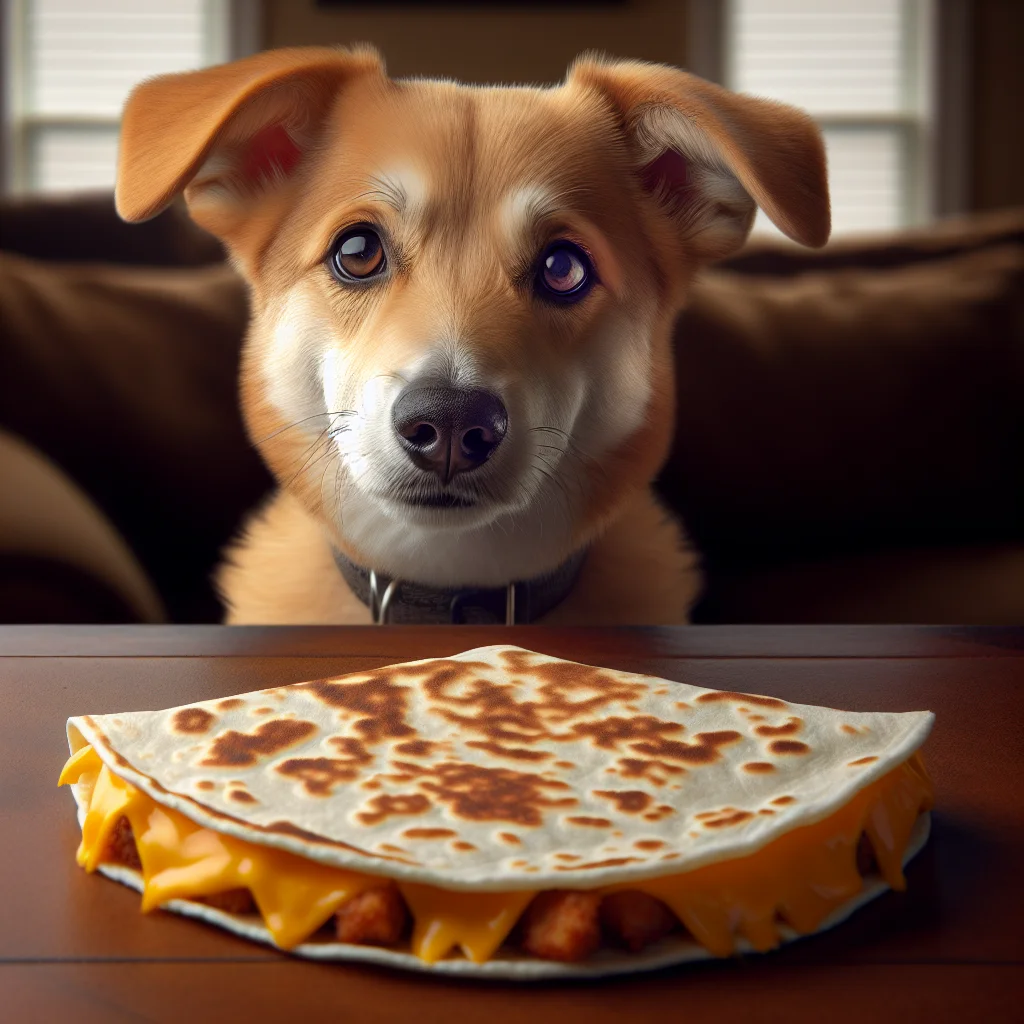
If you suspect your pet has ingested this food, do not wait for symptoms. Contact your veterinarian immediately.
Caution is advised when considering feeding your dog a quesadilla. The primary concern lies in the ingredients commonly found in quesadillas: cheese, tortillas, and sometimes onions or spices. Cheese, especially in large amounts, can lead to gastrointestinal upset due to lactose and high-fat content. Furthermore, onions, even in small quantities, are toxic to dogs, potentially causing hemolytic anemia. The high sodium and fat content in quesadillas can also lead to pancreatitis and obesity in dogs.
What Happens if a Dog Eats Quesadilla?
When a dog ingests a quesadilla, it's crucial to monitor for signs of gastrointestinal distress. Common symptoms include vomiting, diarrhea, and abdominal discomfort. The lactose in cheese can exacerbate these symptoms, particularly in lactose-intolerant dogs. Moreover, if the quesadilla contains onions, there's a risk of onion toxicity, which can lead to red blood cell damage and anemia. In such cases, signs like weakness, lethargy, and pale gums may appear. Acting quickly and consulting a veterinarian can prevent more severe health issues.
How Much Quesadilla is Too Much for a Dog?
Even small portions of quesadilla can pose risks depending on the dog's size, age, and overall health. A tiny piece of plain quesadilla might not harm a large, healthy dog, but the same piece could cause significant issues in a small or sensitive dog. It's best to avoid feeding quesadillas entirely. If accidental ingestion occurs, observe your dog closely for any adverse reactions and consult your veterinarian if any symptoms develop.
Are There Safe Alternatives to Quesadillas for Dogs?
Yes, there are safer alternatives. Instead of quesadillas, consider offering your dog plain, cooked chicken or turkey, which provides protein without the harmful ingredients found in quesadillas. You might also try small amounts of plain, cooked sweet potato or pumpkin, which can be beneficial for your dog's digestive health. These alternatives avoid the dairy and high-fat content of quesadillas while providing nutritional benefits.
What Should I Do If My Dog Ate a Quesadilla?
If your dog has consumed a quesadilla, first assess what ingredients were present. Remove any remaining food from their reach. Monitor for any signs of distress such as vomiting, diarrhea, or unusual lethargy. Contact your veterinarian to discuss the situation and get professional advice tailored to your dog's specific needs. Immediate action can prevent potential complications, especially if onion or other harmful ingredients were involved.
Why Are Onions in Quesadillas Dangerous for Dogs?
Onions contain compounds that are toxic to dogs, specifically thiosulfates, which can lead to oxidative damage to red blood cells, resulting in hemolytic anemia. Even small amounts of onions can pose a risk, and symptoms may not appear immediately. Signs of onion toxicity include vomiting, weakness, and a noticeable decrease in energy levels. If you suspect onion ingestion, seek veterinary care promptly as early intervention is crucial.
Toxicity Levels
| Type | Amount | Risk |
|---|---|---|
| Cheese | Small | Gastrointestinal upset |
| Onions | Any | Hemolytic anemia |
| Tortilla | Moderate | Digestive issues |
| Spices | Small | Digestive upset |
| Whole Quesadilla | Any | Pancreatitis |
Symptoms to Watch For
- Vomiting
- Diarrhea
- Lethargy
- Weakness
- Pale Gums
Frequently Asked Questions
Can cheese in quesadillas harm dogs?
Is it okay to give my dog a small piece of quesadilla?
What are the signs of onion poisoning in dogs?
How can I safely treat my dog if they ate a quesadilla?
What other foods should I avoid giving my dog?