If you suspect your pet has ingested this food, do not wait for symptoms. Contact your veterinarian immediately.
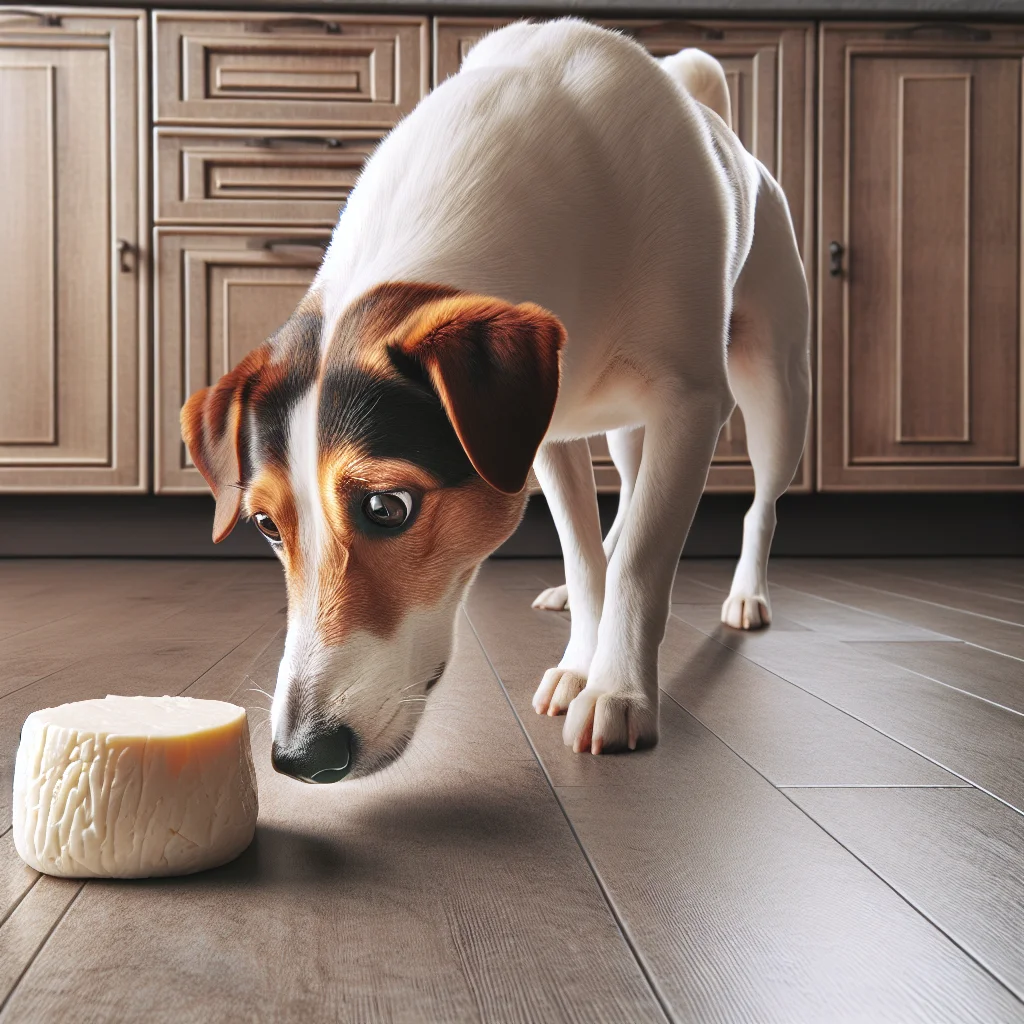
Mozzarella is not toxic to dogs, but caution is warranted when feeding this dairy product to your furry friends. Dogs can consume mozzarella in small quantities, but excessive consumption may lead to gastrointestinal upset due to lactose intolerance. The primary concern is the lactose present in mozzarella, which many dogs struggle to digest. This can lead to symptoms such as diarrhea, vomiting, and abdominal pain. Understanding your dog's dietary tolerances is essential before introducing any new food item, including mozzarella.
Is Mozzarella Safe for Dogs to Eat?
Mozzarella is generally safe for dogs to eat in moderation, but it is essential to be mindful of portion sizes. Small amounts of mozzarella can serve as a tasty treat, but overconsumption can lead to digestive issues. Dogs often lack sufficient lactase, the enzyme required to break down lactose, leading to intolerance. Monitor your dog's reaction after consuming mozzarella, and if any adverse symptoms arise, remove it from their diet.
What Happens If a Dog Eats Too Much Mozzarella?
If a dog eats too much mozzarella, they may experience gastrointestinal distress. This distress may manifest as diarrhea, vomiting, and abdominal discomfort. The high-fat content in mozzarella can also contribute to obesity and pancreatitis if consumed in large amounts over time. To ensure your dog remains healthy, provide mozzarella sparingly and as an occasional treat rather than a regular part of their diet.
Are There Benefits to Feeding Dogs Mozzarella?
Mozzarella does offer some nutritional benefits, such as protein and calcium, which are beneficial for dogs when consumed in moderation. Protein supports muscle development, while calcium is vital for bone health. However, these benefits must be weighed against the potential for lactose intolerance and fat content. Consider using mozzarella as a reward during training, ensuring portions are kept minimal to avoid health risks.
How Can I Tell If My Dog Is Lactose Intolerant?
Identifying lactose intolerance in dogs involves observing their reaction to dairy consumption. Common symptoms include diarrhea, bloating, flatulence, and vomiting. If your dog displays any of these symptoms after eating mozzarella or other dairy products, it's likely they are lactose intolerant. To confirm, consult with a veterinarian for advice on dietary adjustments and alternative treats that are easier on your dog's digestive system.
Can Puppies Eat Mozzarella?
Puppies have more sensitive digestive systems compared to adult dogs, which may make them more susceptible to lactose intolerance. Introducing mozzarella to a puppy's diet should be done with extreme caution and in very small amounts. Observe the puppy closely for any adverse reactions and consult with a veterinarian before making mozzarella a regular treat. Prioritizing a balanced diet specifically formulated for puppies ensures optimal growth and health.
Toxicity Levels
| Type | Amount | Risk |
|---|---|---|
| Lactose | Small | Low |
| Lactose | Moderate | Medium |
| Lactose | Large | High |
| Fat | Small | Low |
| Fat | Large | High |
Symptoms to Watch For
- Vomiting
- Diarrhea
- Abdominal Pain
- Gas
- Bloating
Frequently Asked Questions
Can dogs digest mozzarella easily?
Is mozzarella better than other cheeses for dogs?
How should I introduce mozzarella to my dog?
What are alternatives to mozzarella for dogs?
Can mozzarella cause long-term health issues in dogs?