If you suspect your pet has ingested this food, do not wait for symptoms. Contact your veterinarian immediately.
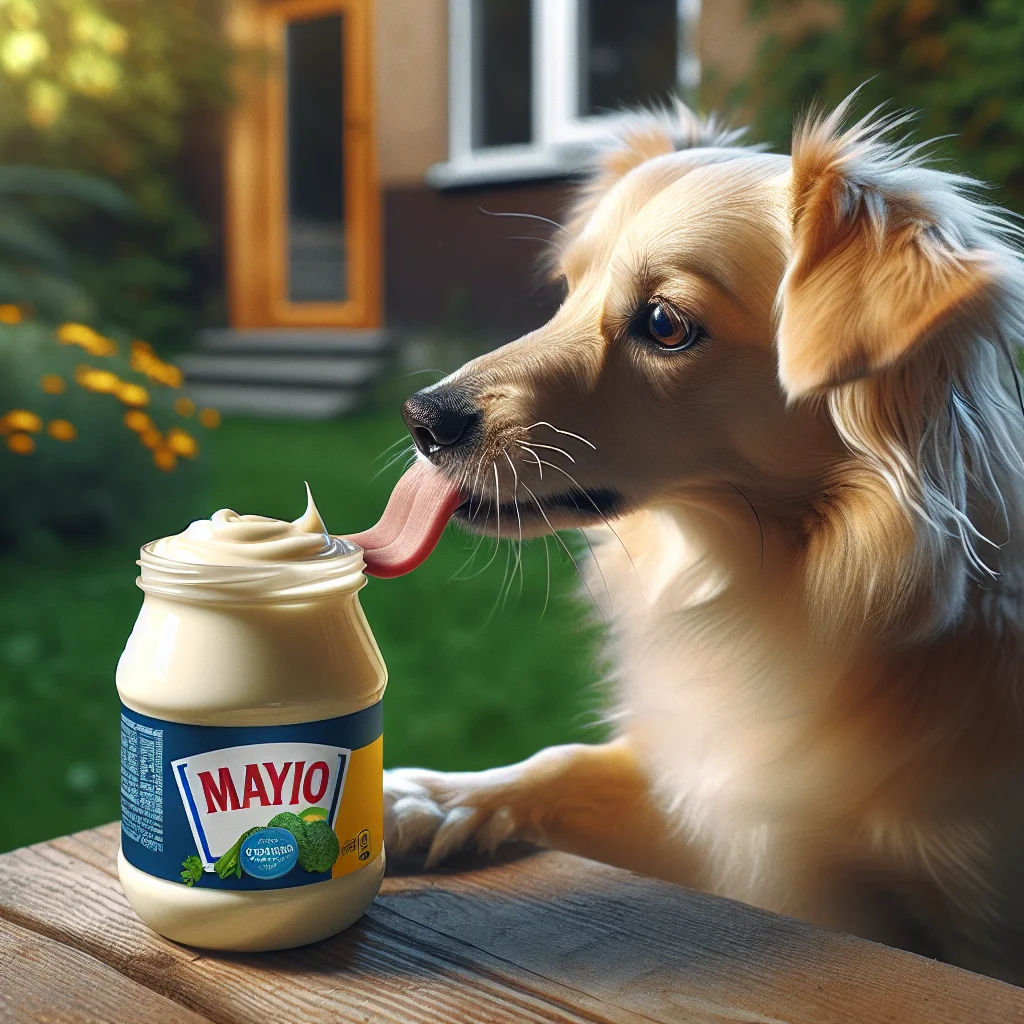
Mayonnaise is not toxic to dogs, but it does require caution. The high fat content in mayonnaise can lead to digestive issues and, in the long run, obesity or pancreatitis. These problems arise because dogs have a different metabolism compared to humans, making it difficult for them to process foods high in fats and oils.
What Happens If a Dog Eats Mayonnaise?
If a dog consumes mayonnaise, the immediate concern is gastrointestinal distress. This can manifest as diarrhea, vomiting, or abdominal pain. Over time, regular consumption could contribute to obesity due to the calorie-dense nature of mayonnaise. In severe cases, pancreatitis can develop, which is a painful and potentially life-threatening condition.
How Much Mayonnaise Is Safe for Dogs?
While a small lick is unlikely to cause harm, any more than that can be risky. It is advisable to keep mayonnaise away from your dog's diet altogether. If you must offer a taste, it should be an extremely small amount, and not on a regular basis. Always consult with your veterinarian before introducing new foods to your pet.
Are There Any Benefits of Mayonnaise for Dogs?
Mayonnaise is rich in fats and calories, which are not beneficial for a dog's health. Some might argue about the presence of Omega-3 fatty acids, which can be beneficial in other forms. However, the risks far outweigh any potential benefits when it comes to mayonnaise.
What Are the Symptoms of Mayonnaise Overconsumption in Dogs?
Signs of overconsumption include vomiting, diarrhea, lethargy, and abdominal pain. In more severe cases, you might notice signs of pancreatitis, such as a hunched back, loss of appetite, and fever. Immediate veterinary care is recommended if these symptoms occur.
Can Mayonnaise Cause Allergic Reactions in Dogs?
While uncommon, some dogs may have allergic reactions to ingredients found in mayonnaise, such as eggs. Symptoms of an allergic reaction include itching, swelling, and difficulty breathing. If you suspect an allergic reaction, seek veterinary assistance promptly.
Toxicity Levels
| Type | Amount | Risk |
|---|---|---|
| Small Amount | A lick | Low |
| Moderate Amount | 1 teaspoon | Moderate |
| Large Amount | 1 tablespoon | High |
| Regular Consumption | Daily | Very High |
| Accidental Overeating | Multiple tablespoons | Critical |
Symptoms to Watch For
- Vomiting
- Diarrhea
- Lethargy
- Abdominal Pain
- Hunched Back
Frequently Asked Questions
Is mayonnaise safe for dogs to eat?
Can mayonnaise cause pancreatitis in dogs?
What should I do if my dog ate mayonnaise?
Are there any benefits of mayonnaise for dogs?
Can dogs be allergic to mayonnaise?