
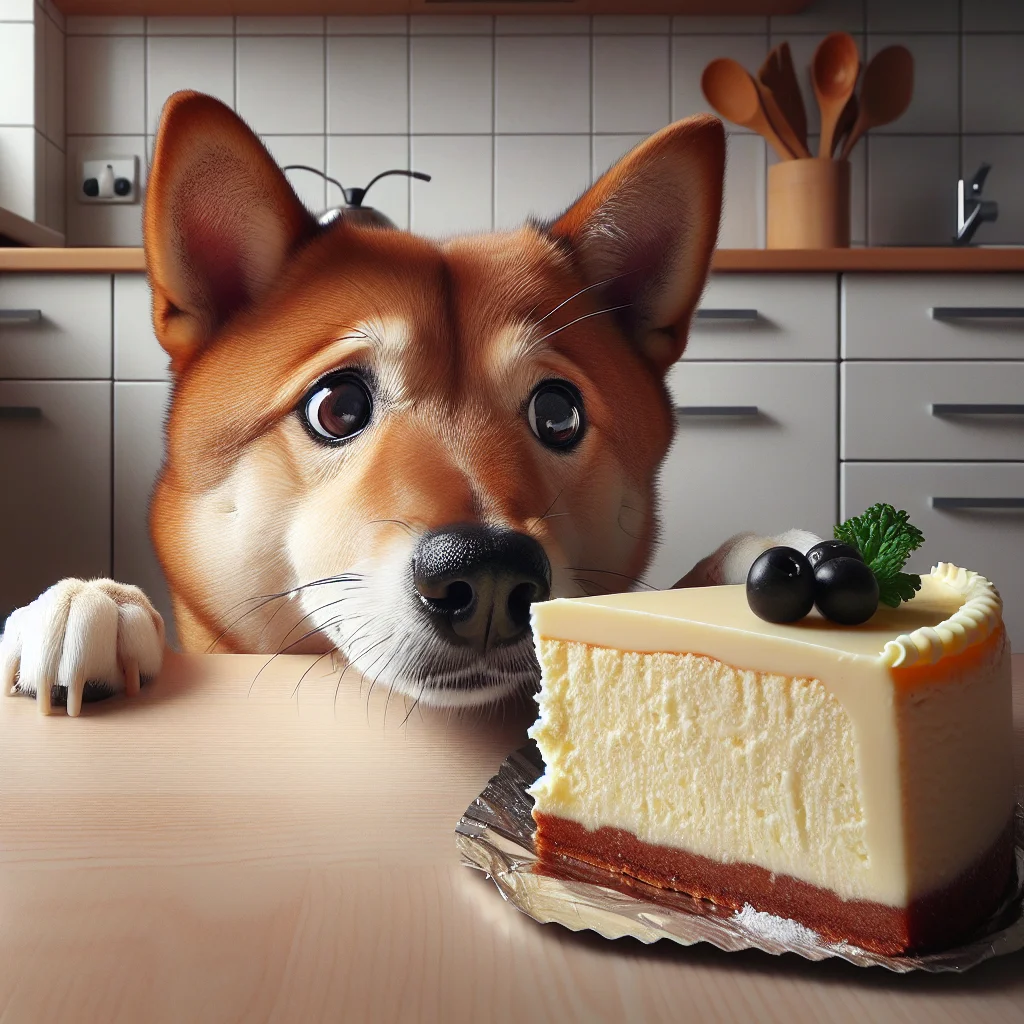
If you suspect your pet has ingested this food, do not wait for symptoms. Contact your veterinarian immediately.
Toxic: Cheesecake is toxic for dogs due to its high content of dairy, sugar, and other potentially harmful ingredients. The primary concern is lactose, which dogs struggle to digest, leading to gastrointestinal distress. Additionally, the sugar and fat content can cause serious health issues such as pancreatitis. Cheesecake often contains ingredients like chocolate or artificial sweeteners, which are outright dangerous for dogs.
Why is Cheesecake Bad for Dogs?
Cheesecake is laden with ingredients that are not suitable for canine consumption. The high sugar and fat content can lead to obesity and pancreatitis, conditions that are both painful and potentially life-threatening for dogs. Furthermore, many cheesecakes contain artificial sweeteners like xylitol, which is extremely toxic to dogs, causing rapid insulin release and potential liver failure. Even the dairy component can be problematic, as many dogs are lactose intolerant, leading to digestive upset and discomfort.
What Happens if My Dog Eats Cheesecake?
If your dog ingests cheesecake, you may notice symptoms such as vomiting, diarrhea, and abdominal pain. These are signs of lactose intolerance or digestive upset due to the high fat content. If the cheesecake contained chocolate or xylitol, symptoms could escalate to tremors, seizures, or even coma. Immediate veterinary attention is crucial in these cases to prevent severe health consequences or death.
How Can I Prevent My Dog from Eating Cheesecake?
To prevent your dog from consuming cheesecake, ensure it is stored securely out of their reach. Educate family members and guests about the dangers of feeding cheesecake to dogs. Avoid leaving desserts unattended on tables or countertops where curious pets might reach them. Consider offering dog-safe treats as alternatives to satisfy their cravings without risking their health.
Are There Safe Alternatives for Dogs?
Yes, there are many dog-friendly alternatives to cheesecake that are both safe and enjoyable for your pet. Consider offering plain yogurt, which provides some of the creamy texture dogs might enjoy, without the harmful sugars and fats. Additionally, dog-specific treats made from pumpkin or sweet potato can be a healthy and tasty option. Always ensure that any treat you offer is free from harmful ingredients like xylitol or chocolate.
What Should I Do if My Dog Eats Cheesecake?
If your dog consumes cheesecake, monitor them closely for any signs of distress. Contact your veterinarian immediately for advice, especially if the cheesecake contained chocolate or xylitol. Your vet may recommend inducing vomiting or bringing your pet in for an examination and treatment. Quick action can make a significant difference in your dog's recovery and overall health.
Toxicity Levels
| Type | Amount | Risk |
|---|---|---|
| Lactose | High | Digestive Upset |
| Sugar | High | Obesity |
| Fat | High | Pancreatitis |
| Xylitol | Variable | Liver Failure |
| Chocolate | Variable | Toxicity |
| Artificial Sweeteners | Variable | Seizures |
Symptoms to Watch For
- Vomiting
- Diarrhea
- Abdominal Pain
- Tremors
- Seizures
Frequently Asked Questions
Can cheesecake cause long-term health issues in dogs?
Is there any amount of cheesecake that is safe for dogs?
How soon after eating cheesecake will symptoms appear?
Can lactose-free cheesecake be given to dogs?
Are there any safe dog treats that resemble cheesecake?