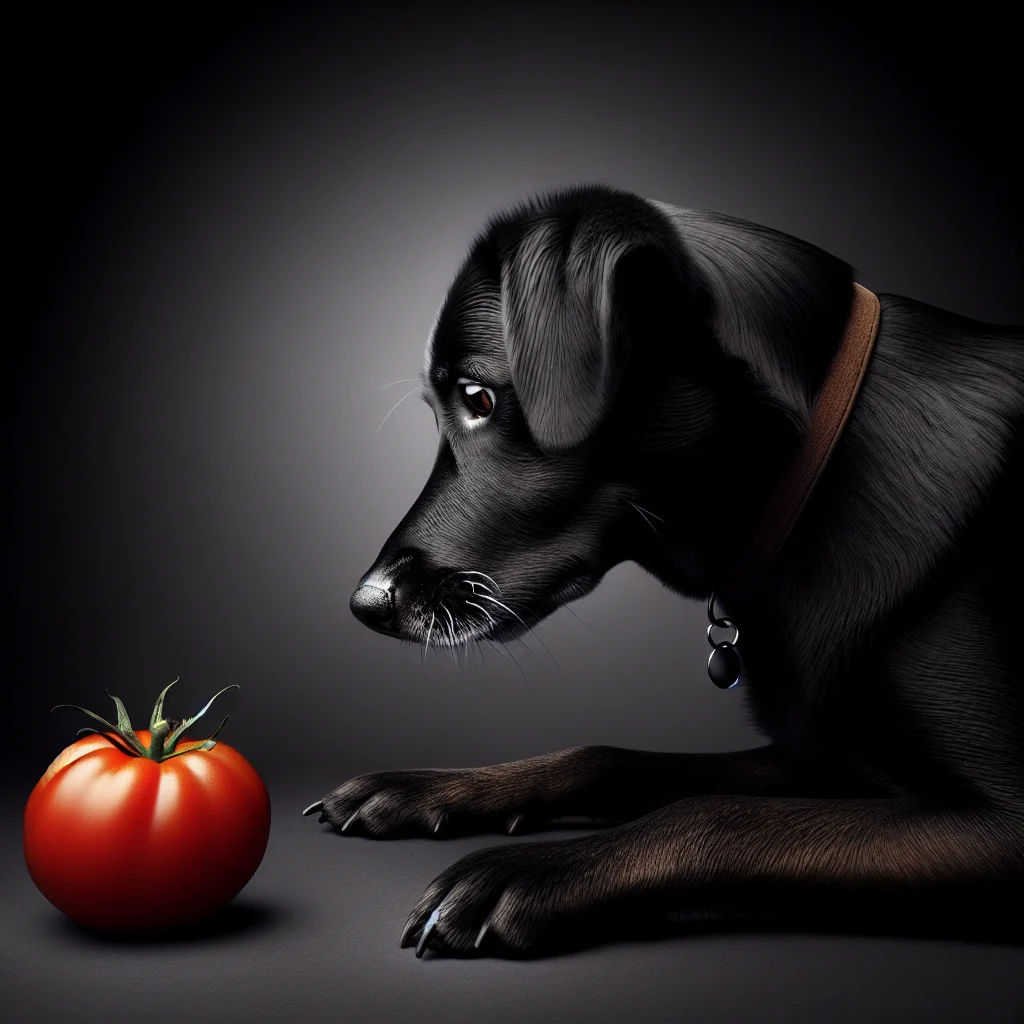
If you suspect your pet has ingested this food, do not wait for symptoms. Contact your veterinarian immediately.
Tomatoes, while a common staple in human diets, require a cautious approach when it comes to feeding them to dogs. The primary concern stems from the presence of solanine and tomatine, toxic compounds found in the green parts of the plant, such as leaves and stems. These toxins can cause gastrointestinal distress and other health issues in dogs. However, ripe tomatoes themselves, in moderation, are generally safe for canine consumption.
Can Dogs Eat Ripe Tomatoes Safely?
Ripe tomatoes, when given in moderation, can be safe for dogs. The key factor is ensuring that the tomato is fully ripe, as unripe tomatoes contain higher levels of tomatine, which can be harmful. Ripe tomatoes are lower in toxic compounds, making them less likely to cause adverse effects. However, it's important to monitor your dog for any signs of discomfort or allergic reactions, as individual sensitivities can vary.
Are Green Tomatoes Dangerous for Dogs?
Green tomatoes, including the leaves and stems, pose a greater risk to dogs due to higher concentrations of solanine and tomatine. These compounds can lead to symptoms such as vomiting, diarrhea, and lethargy. If your dog consumes green tomatoes or the plant parts, it's crucial to observe them closely and seek veterinary advice if any symptoms arise. Prevention is key, so ensure your garden is dog-proofed to avoid accidental ingestion.
What Should I Do If My Dog Eats a Tomato Plant?
If your dog consumes any part of a tomato plant, immediate action is necessary. First, remove any remaining plant material from your dog's mouth. Monitor your dog closely for symptoms like drooling, vomiting, or changes in behavior. Contact your veterinarian to discuss the situation and follow their guidance. Depending on the amount ingested and your dog's size and health, the vet may recommend bringing your pet in for evaluation and treatment.
What Are the Symptoms of Tomato Toxicity in Dogs?
Symptoms of tomato toxicity in dogs can vary but often include gastrointestinal distress, such as vomiting and diarrhea. In some cases, dogs may experience lethargy, weakness, or changes in behavior. Rarely, more severe symptoms like seizures or arrhythmias can occur. If you notice any of these signs after your dog has consumed tomatoes or tomato plants, it's vital to seek veterinary assistance promptly.
How Can I Introduce Tomatoes to My Dog's Diet?
If you're considering adding tomatoes to your dog's diet, start with small amounts of ripe tomatoes. Introduce them as a treat rather than a dietary staple. Observe your dog for any adverse reactions and discontinue use if any issues arise. Always remove the stem, leaves, and seeds before feeding tomatoes to your dog. Consulting your veterinarian before introducing new foods is a prudent approach to ensure your pet's safety.
Toxicity Levels
| Type | Amount | Risk |
|---|---|---|
| Ripe Tomato | Small | Low |
| Ripe Tomato | Large | Moderate |
| Green Tomato | Any | High |
| Tomato Leaves | Any | High |
| Tomato Stems | Any | High |
Symptoms to Watch For
- Vomiting
- Diarrhea
- Lethargy
- Weakness
- Seizures
Frequently Asked Questions
Can tomatoes make dogs sick?
How much tomato is safe for my dog?
What should I do if my dog eats unripe tomatoes?
Can dogs be allergic to tomatoes?
Are tomato plants toxic to dogs?