
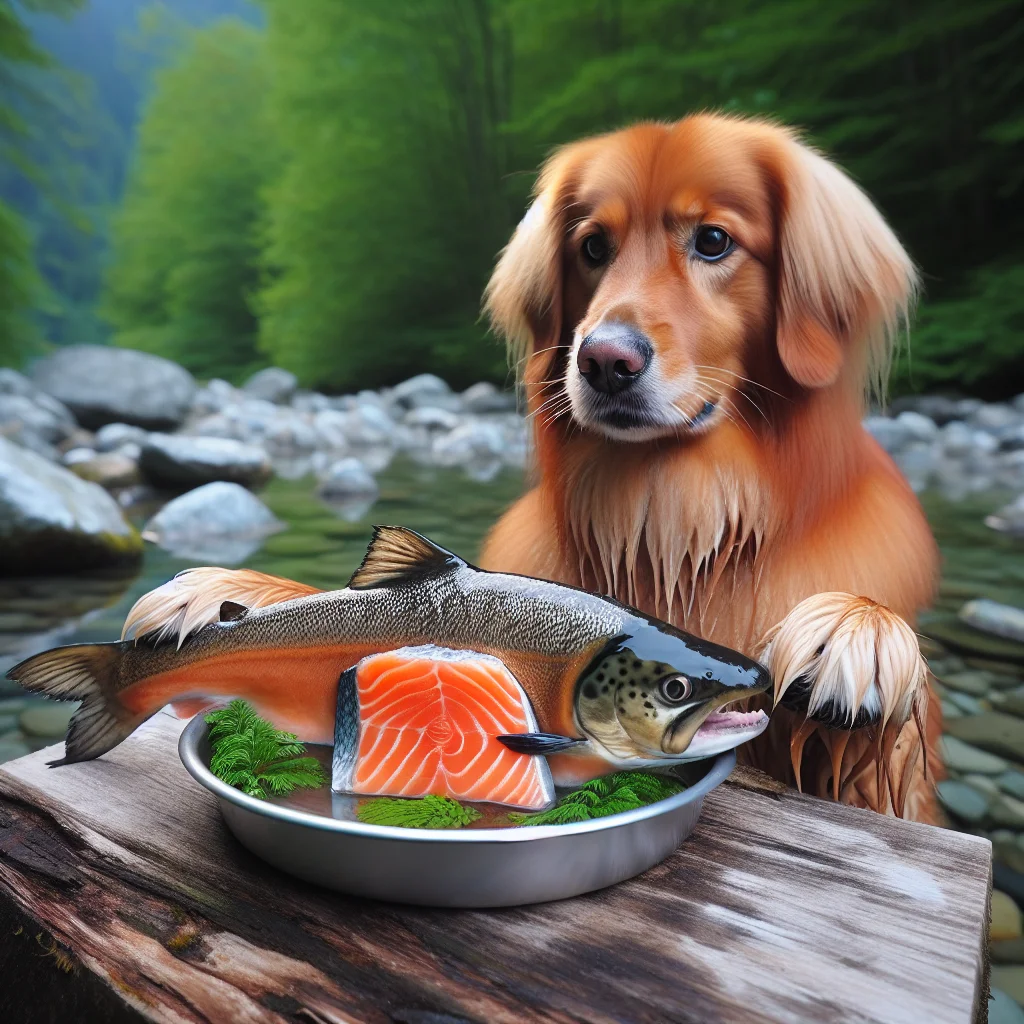
Safe - This is the verdict when it comes to feeding your dog salmon. This nutrient-rich fish is not only delicious but also beneficial for your canine companion's health. The mechanisms behind its safety lie in the absence of toxic compounds that are harmful to dogs, unlike other foods such as chocolate or grapes. Salmon is packed with omega-3 fatty acids, which support brain health, help maintain a shiny coat, and reduce inflammation. However, it’s crucial to ensure the salmon is well-cooked, deboned, and devoid of any seasoning that might upset your dog's stomach.
Is Cooked Salmon Safe for Dogs?
Cooked salmon is indeed safe for dogs. When feeding salmon to your dog, always make sure it is thoroughly cooked. Raw salmon can harbor parasites and bacteria that can lead to salmon poisoning disease, a potentially fatal condition for dogs. Cooking the salmon kills these harmful organisms, making it a safe and nutritious addition to your dog's diet. Be sure to remove all bones before serving, as these can be a choking hazard or cause internal damage. Opt for plain, unseasoned salmon as spices and additives can be harmful to dogs.
Can Dogs Eat Salmon Skin?
Yes, dogs can eat salmon skin, but it should be given in moderation and always cooked. Salmon skin is high in fat, which can lead to an upset stomach or even pancreatitis in dogs if consumed in large quantities. Ensure the skin is thoroughly cooked to eliminate any parasites and bacteria. Avoid giving salmon skin with any seasoning, oils, or sauces that could be harmful to your dog's health. Moderation is key to incorporating salmon skin into their diet as an occasional treat.
How Much Salmon Can I Feed My Dog?
Portion control is essential when feeding salmon to your dog. A general guideline is to serve salmon as a treat, comprising no more than 10% of your dog’s total diet. For small dogs, a portion size of one tablespoon is sufficient, while larger breeds can handle up to one-third of a cup. Too much salmon can lead to an imbalance in their diet, causing digestive issues. Always introduce new foods gradually and monitor for any adverse reactions.
Is Canned Salmon Safe for Dogs?
Canned salmon can be a convenient option for feeding your dog, but there are important considerations to keep in mind. Ensure the canned salmon is packed in water without added salt or spices. Avoid salmon canned in oil or with added flavorings that might be harmful to your dog. Check labels for any additives or preservatives that could pose a risk. Moderation and careful attention to ingredients will allow canned salmon to be a safe and nutritious treat.
Are There Any Risks of Feeding Salmon to Dogs?
While salmon is generally safe for dogs, there are potential risks if not prepared correctly. Raw salmon can contain harmful parasites, leading to severe illness. Additionally, bones in salmon can cause choking or internal injuries. Always ensure salmon is well-cooked and deboned. Monitor your dog for any signs of adverse reactions after consuming salmon, such as vomiting or diarrhea, and consult a veterinarian if these occur. Proper preparation and moderation minimize these risks.
Toxicity Levels
| Type | Amount | Risk |
|---|---|---|
| Raw Salmon | Any | High |
| Cooked Salmon | Small portions | Low |
| Salmon Skin | Moderate | Medium |
| Canned Salmon in Water | Moderate | Low |
| Canned Salmon in Oil | Any | High |
| Seasoned Salmon | Any | High |
Symptoms to Watch For
- Vomiting
- Diarrhea
- Fever
- Lethargy
- Dehydration
Frequently Asked Questions
Can dogs eat raw salmon?
What are the benefits of salmon for dogs?
How should I prepare salmon for my dog?
Can puppies eat salmon?
What if my dog shows signs of salmon poisoning?