
If you suspect your pet has ingested this food, do not wait for symptoms. Contact your veterinarian immediately.
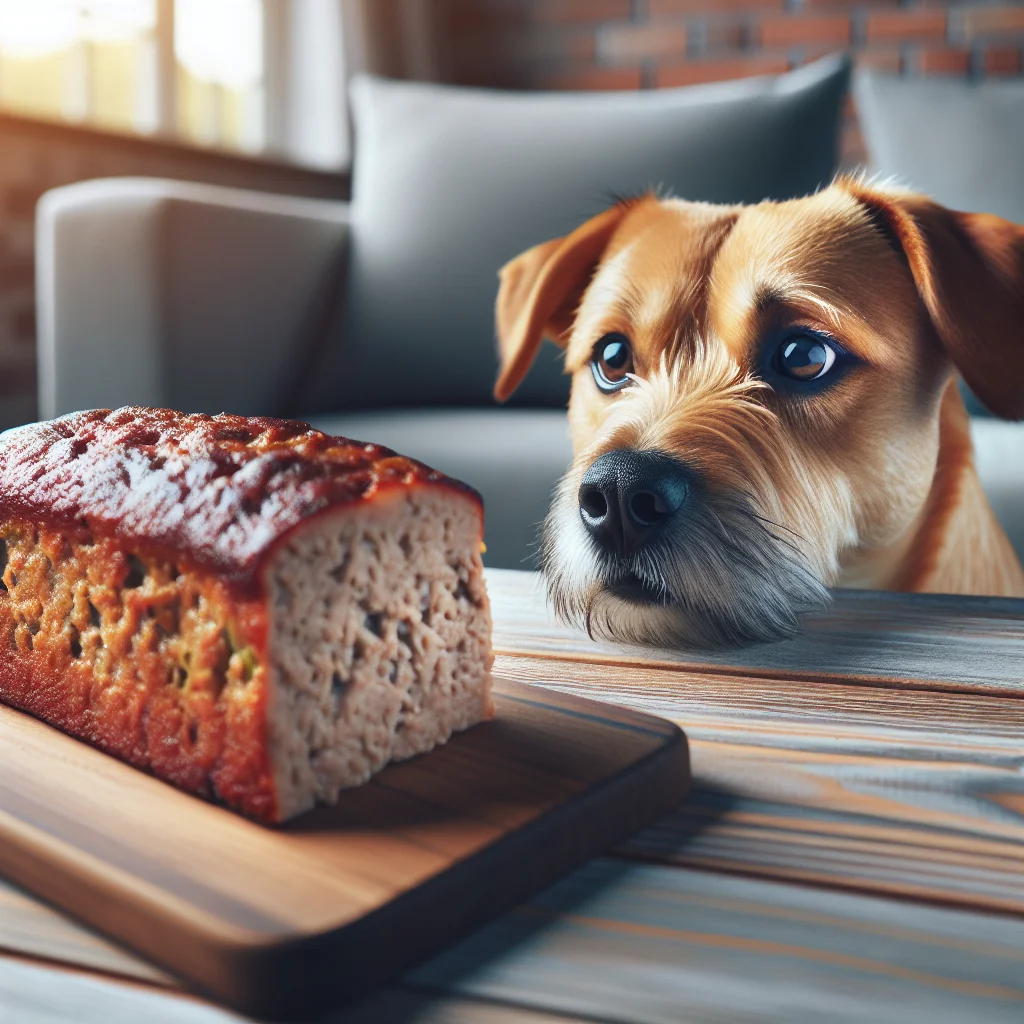
Meatloaf can be both safe and toxic for dogs, depending on its ingredients. Certain common additives like onions and garlic contain thiosulphate, which can cause oxidative damage to a dog's red blood cells, leading to hemolytic anemia. It's essential to understand the ingredients and preparation methods of meatloaf before sharing it with your canine companion.
What Ingredients in Meatloaf Are Harmful to Dogs?
Many traditional meatloaf recipes include onions, garlic, and other spices that can be harmful to dogs. Onions and garlic contain compounds that can damage red blood cells, leading to anemia. Additionally, excessive salt and certain herbs can upset a dog's stomach. Always read the ingredients carefully before feeding meatloaf to your dog, and consider making a dog-friendly version that omits harmful substances.
How Can You Make a Dog-Friendly Meatloaf?
To create a meatloaf that is safe for dogs, consider using lean ground beef or turkey, oats, and eggs as your base ingredients. Avoid using onions, garlic, and heavy spices. Instead, incorporate dog-safe vegetables like carrots, peas, and pumpkin for added nutrition. Cook the meatloaf thoroughly to prevent foodborne illnesses and serve it in moderation.
What Are the Symptoms of Meatloaf Toxicity in Dogs?
If a dog consumes meatloaf containing toxic ingredients, symptoms such as vomiting, diarrhea, lethargy, and weakness may occur. In severe cases, dogs may experience difficulty breathing or display pale gums, indicating anemia. If you notice any of these symptoms after your dog eats meatloaf, contact your veterinarian immediately for guidance.
How Much Meatloaf Can Dogs Safely Eat?
Portion control is crucial when feeding meatloaf to dogs. A small piece, about the size of a standard dog treat, is typically safe. Overfeeding can lead to obesity or digestive issues. Always monitor your dog's response after introducing new foods and adjust the portion size accordingly.
Are There Any Benefits to Feeding Meatloaf to Dogs?
When prepared safely, meatloaf can offer some nutritional benefits for dogs. It provides protein and essential vitamins from meat and vegetables. However, these benefits are only realized if the meatloaf is free from harmful ingredients. Always prioritize a balanced diet tailored to your dog's specific needs.
Toxicity Levels
| Type | Amount | Risk |
|---|---|---|
| Onions | Even small amounts | High |
| Garlic | Even small amounts | High |
| Excessive Salt | Large portions | Moderate |
| Spices | Varies by type | Moderate |
| Fatty Meat | Regular servings | Moderate |
Symptoms to Watch For
- Vomiting
- Diarrhea
- Lethargy
- Weakness
- Pale Gums
Frequently Asked Questions
Can dogs eat meatloaf with onions?
Is garlic dangerous for dogs in meatloaf?
What should I do if my dog eats meatloaf with harmful ingredients?
Can I use spices in meatloaf for dogs?
How often can I feed my dog meatloaf?